
What are meadow honey mushrooms and where do they grow?
Content
Botanical description of the meadow honey fungus
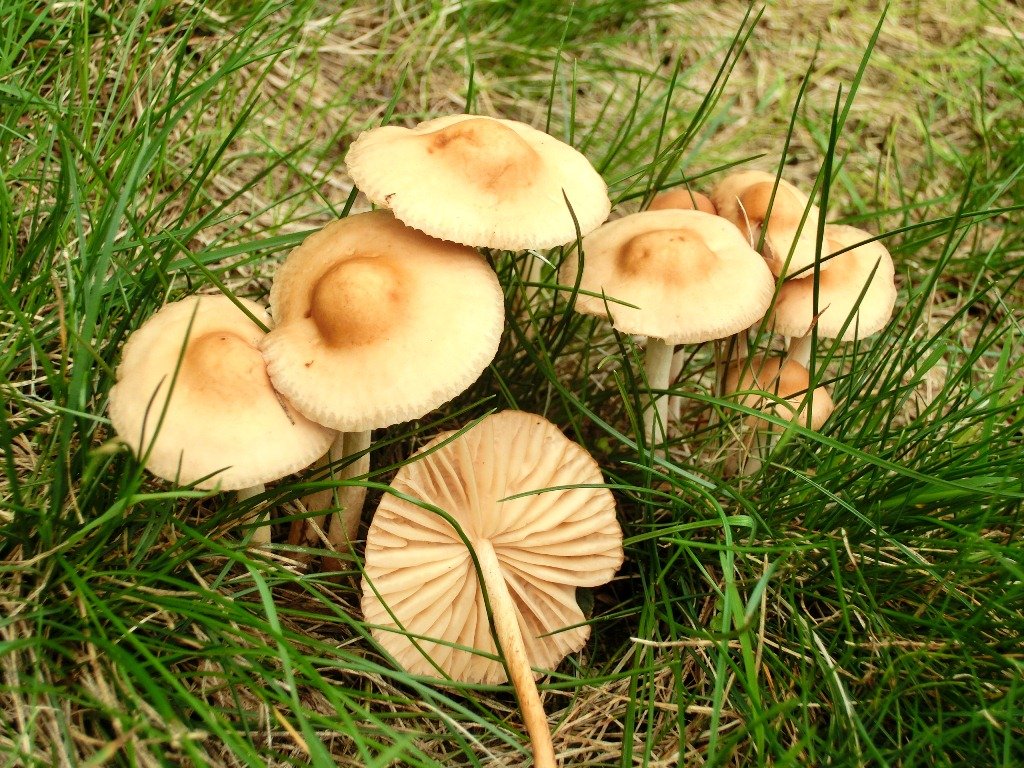
The meadow honey fungus is a small (fruiting body weight approximately 1 g) conditionally edible mushroom belonging to the lamellar saprophytic species. It has the following botanical characteristics:
hat
The mushroom reaches 3-5 cm in diameter, reaching a maximum of 7 cm. The surface is brownish-yellow, sometimes with a reddish tint, and becomes light cream in dry conditions and in direct sunlight. When young, the cap is hemispherical with a small bump in the center. As it ages or dries, it takes on a cup-shaped appearance. The edges are jagged, without clear boundaries, translucent, and lighter in color than the center. The cap absorbs moisture well and becomes sticky when exposed to it.
Leg
The cap is held in place by a long (7-10 cm) and fairly thin (0.2-0.5 cm in diameter) stem. It is slightly lighter in color than the cap, velvety to the touch, and slightly curved or thickened at the base. Its structure is dense and fibrous, becoming hard as the mushroom ages.
The easiest way to distinguish an edible mushroom from a poisonous one is by its stem. Edible mushrooms always have a smooth stem, without any raised bumps or thickenings, like those of the fly agaric.
Records
The gills of honey mushrooms are distinct and sparse, spaced 4-6 mm apart. In young mushrooms, they are firmly attached to the cap; in older mushrooms, they are barely attached. In warm, dry weather, they are a light cream color; in humid conditions, they take on a brownish tint.
Pulp
The mushroom flesh is very light, milky or slightly yellowish in color, and remains unchanged after cutting. The texture is thin and delicate, with a pleasantly sweet flavor and subtle aromas of cloves and almonds.
Video: Description and Habitat of Meadow Honey Fungi
This video shows what meadow grasses look like and where they grow.
Where and how do meadow honey mushrooms grow?
Meadow honey fungi can only be found in open areas: meadows, pastures, forest clearings and forest edges; field species prefer fields. Meadow grasses can often be seen in ravines or along highways. They bear fruit abundantly, arranged in rows or circles, making harvesting much easier.
Useful properties of meadow honey fungus
Meadow grasses contain many biologically active components, which give them the following properties:
- Marasmic acid, found only in these mushrooms, is capable of killing viruses and bacteria, including staphylococcus;
- polysaccharides isolated from mycelium strengthen blood vessels and restore the condition of the thyroid gland;
- Lecithin from honey mushrooms breaks down blood clots and improves blood composition; components have also been found in them that can replace serum from donor blood;
- Due to antioxidants, honey fungus is able to suppress the activity of cancer cells;
- The rich vitamin content and low calorie content allow the product to be used in dietary nutrition.
The danger of look-alike mushrooms
The mushroom's appearance is so common and unsightly that it can easily be confused with other similar, but dangerous to humans, species:
- The Collybia arborescens is a conditionally edible mushroom, but it is rarely used in cooking due to its unpleasant odor. Unlike the meadow honey fungus, it grows in mixed forests and forms mycelium on rotting wood. The stem of the Collybia arborescens is almost half as long, and the cap is lighter, almost white.
- The White Talker is a dangerous, poisonous mushroom often found near meadow mushrooms. Consuming it can cause severe poisoning. It can be distinguished from the meadow honey fungus by its exceptionally white, inward-curved cap and short (up to 4 cm) stem.
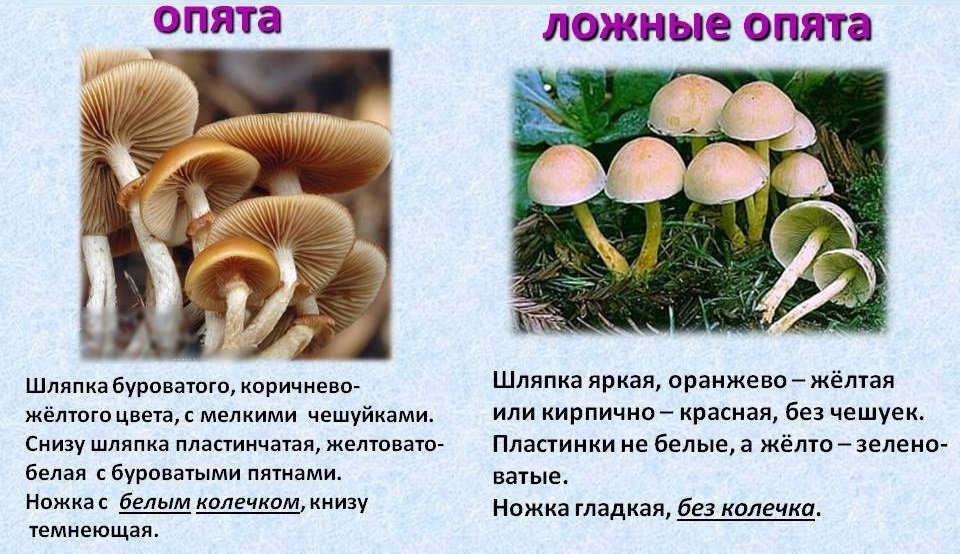
Sometimes meadow honey fungi are confused with summer or winter ones, as they are very similar in appearance, although the latter grow only on wood debris.
You can distinguish edible honey fungus from false honey fungus by several characteristics. False honey fungus has a taller stem, gray or greenish-brown gills, and an earthy or moldy smell.
Helpful tips
We suggest you familiarize yourself with several useful recommendations for collecting and using mushrooms.
When to pick mushrooms
Meadow grasses can be collected from late May until the first autumn frosts, which usually occur in late October or early November. However, this depends on the regional climate. For example, Crimean species reproduce successfully until winter, as humidity rises and temperatures remain stable during these months.
Primary processing
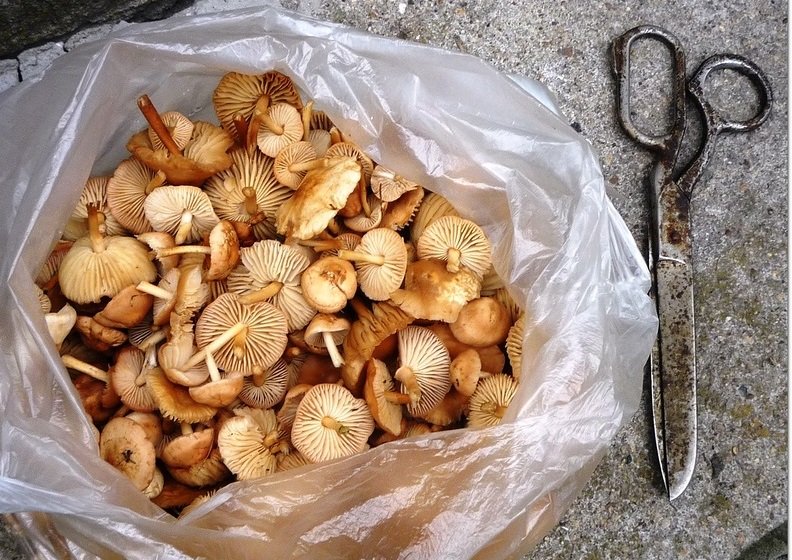
Immediately after harvesting, meadow mushrooms should be sorted, trimming away any damaged areas, thoroughly rinsed several times, and then soaked in water for 20-30 minutes. For marinating, remove the film from the caps, but this is not necessary. If drying, simply clean the mushrooms with a soft brush.
How and how long to cook
Since honey mushroom stems are very tough, only the caps and flesh are used for cooking, which are pre-boiled. This is done as follows: add water to the mushrooms, bring to a boil, and drain after 20 minutes. Then add more boiling water, add onion, spices, and salt at a ratio of 1 tablespoon per 2 liters of water, and cook for another 40-60 minutes. Only then can the mushrooms be fried, pickled, or frozen.
-
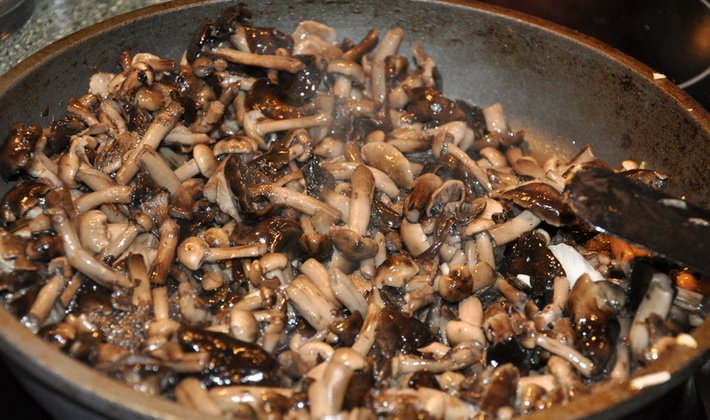
- Fried meadow mushrooms
-
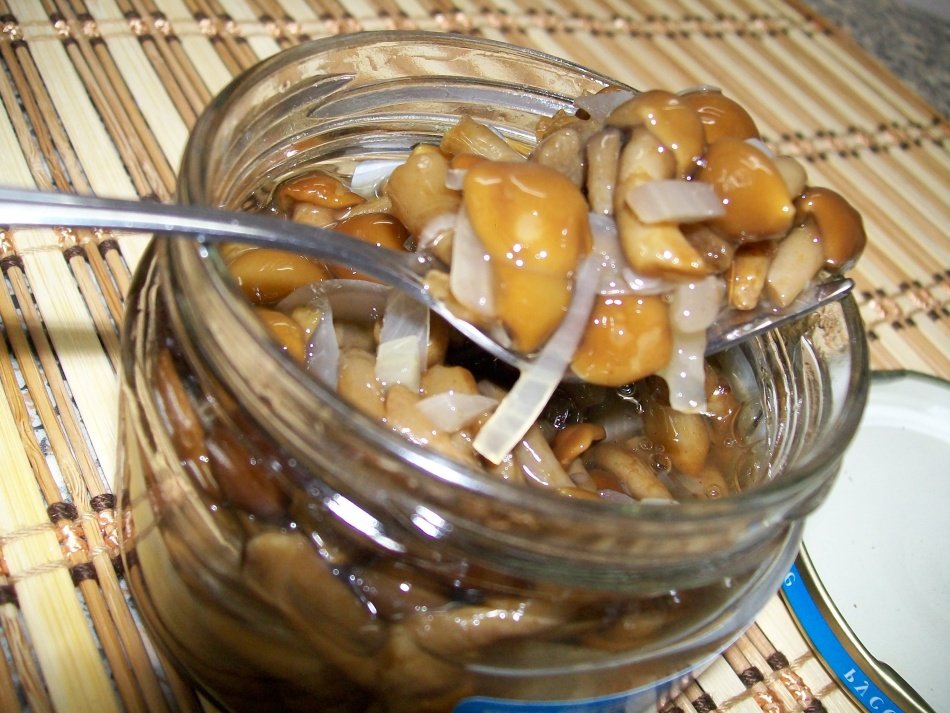
- Pickled field mushrooms
-
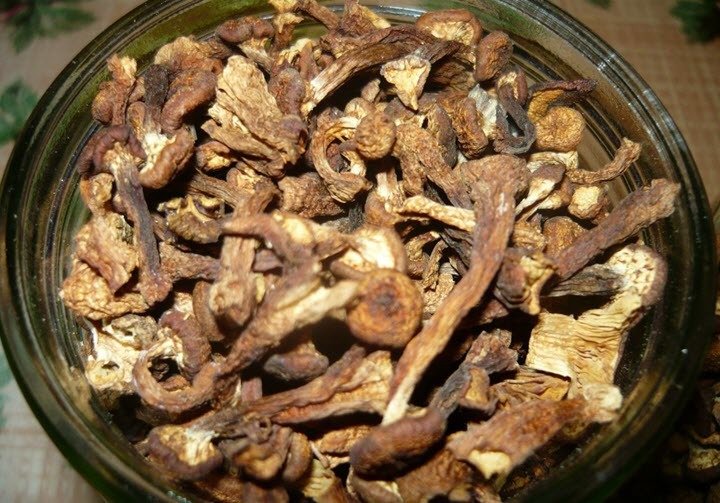
- Dried meadow honey mushrooms
Use in folk medicine
Traditional healers prepare honey fungus tinctures that are effective against pneumonia, bronchitis, tuberculosis, and Staphylococcus aureus. In Eastern medicine, mushroom tinctures are used to relax muscles during cramps and for rubbing against radiculitis and arthritis.
Meadow honey mushrooms are among the most sought-after and ubiquitous mushrooms. They can be found anywhere, and with a little effort, they can be used to create delicious dishes or preserves for the whole family.