
How to make good mycelium yourself
Content
What is mycelium?
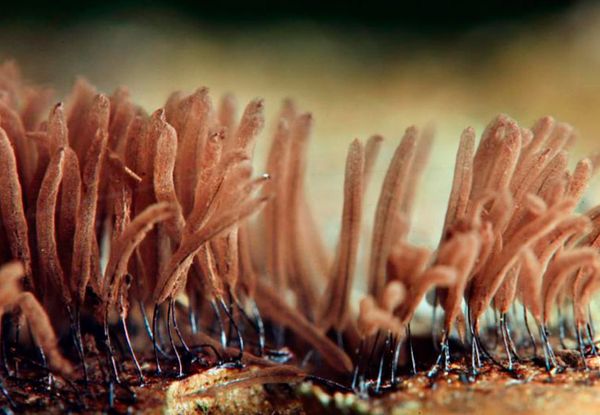
So, what is it? What is this mysterious substance with an unusual name? It's nothing more than the most ordinary mycelium, or vegetative body of a mushroom culture. It consists of numerous thin fibers (hyphae), the structure of which includes nuclei (if the mycelium is coenotic) or septa (for septate mycelium).
Today, growing mycelium is possible even in a city apartment, giving us the opportunity to grow mushrooms at home.
Main types
Before growing mycelium, be sure to determine the specific type of mushroom medium you'll be preparing. We've more or less established that mushroom mycelium can differ in its internal structure, but this is far from the only possible difference. Another fundamental classification distinguishes myceliums based on their nutrient medium. These include liquid, substrate, and grain-based mycelium.
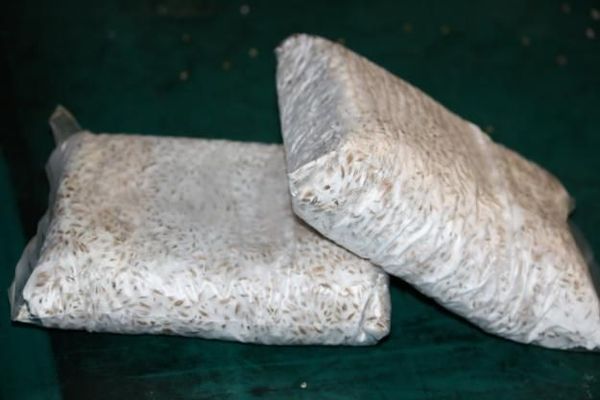
You can grow any type of mycelium yourself, but each has both undeniable advantages and disadvantages. For example, substrate-based mycelium grows relatively slowly but has a long shelf life. Grain mycelium is finicky—it struggles to grow on wood and doesn't have a long shelf life. And preparing liquid mycelium is not for everyone—it requires skill and expertise.
What you need for growing
You can grow champignon mycelium at home in any garden, but you must first create the right conditions for the mycelium, including finding a suitable room and equipping it with all the necessary equipment:
- shelves or brackets for placing mushroom blocks;
- heating and ventilation system;
- artificial light source.
Growing technology and necessary conditions
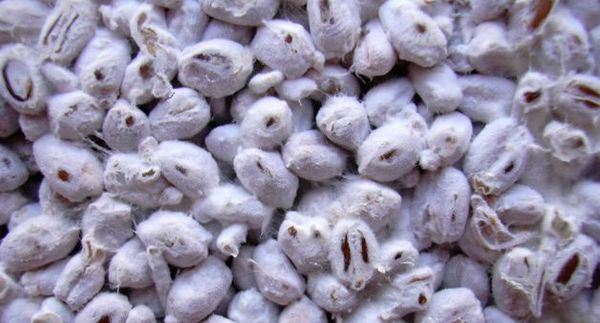
Air humidity and temperature are essential for successful production. The room must be humid and maintained at a constant temperature (between 20 and 30 degrees Celsius). Proper ventilation and lighting are also essential.
Obtaining mycelium is an individual process, so there are no specific universal recommendations. Each mushroom picker has the right to choose the method that suits them best.
Grain mycelium
Growing champignon mushroom mycelium from a grain medium involves the following most common home recipe:
- Place the grain mixture in a large metal container and cover with water (so that the mixture is submerged by 2–3 cm).
- Boil for half an hour.
- After this, the grain is filtered and dried on a flat, dry surface.
- The dried grains are poured into glass jars, filling them halfway, and sterilized for some time.
- When the jars with grain have cooled, you need to place a little of the prepared mycelium in each one.
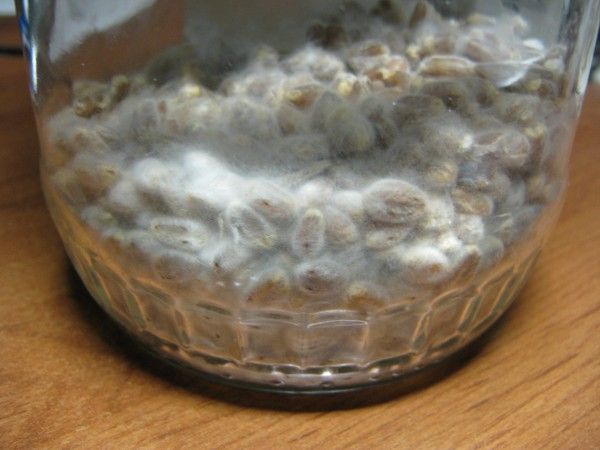
You'll know the mycelium is developing when a whitish fluff appears on the surface of the grains about three days after planting. After another week, the mycelium can be planted in a block.
Mycelium from mushroom stems
You can grow champignon mycelium yourself using mushroom stems and readily available cardboard—it's essentially the same as wood, so the mycelium will be able to adapt more easily to its permanent location.
Let's look at how to grow mushroom mycelium using this method:
- Take corrugated cardboard without any markings and soak it in water at room temperature for at least 1 hour.
- We make longitudinal cuts on the mushroom stem and separate it into fibers.
- In the container where this improvised “farm” will be located, we make drainage holes to remove excess moisture.
- We remove the top layer from the soaked cardboard, place the mushroom fibers, cover with the removed part and place it in the prepared container, placing a small press on top of the cardboard.
- The container with the mycelium is covered with plastic wrap; the cardboard should be ventilated from time to time and moistened with a spray bottle as soon as signs of drying appear.
After a few weeks, the cardboard sheet will turn completely white and become covered with fibers – this means the mycelium is ready and can be placed in the nutrient mixture.
If you have any questions about how to make mycelium, we recommend subscribing to Mikhi Donetskiy's YouTube channel – there's a wealth of information on growing mycelium and caring for the shoots.
Video: "Making Mycelium Yourself"
This video will show you how to make your own mushroom substrate.