
How to Grow Mushrooms in Home Mushroom Beds: A Step-by-Step Guide
Content
What mushrooms can be grown?
So, having set yourself the task of creating a mycelium at home, the question arises: which variety to choose? Mushrooms intended for growing in the garden or apartment come in two types: soil-dwelling and wood-dwelling.
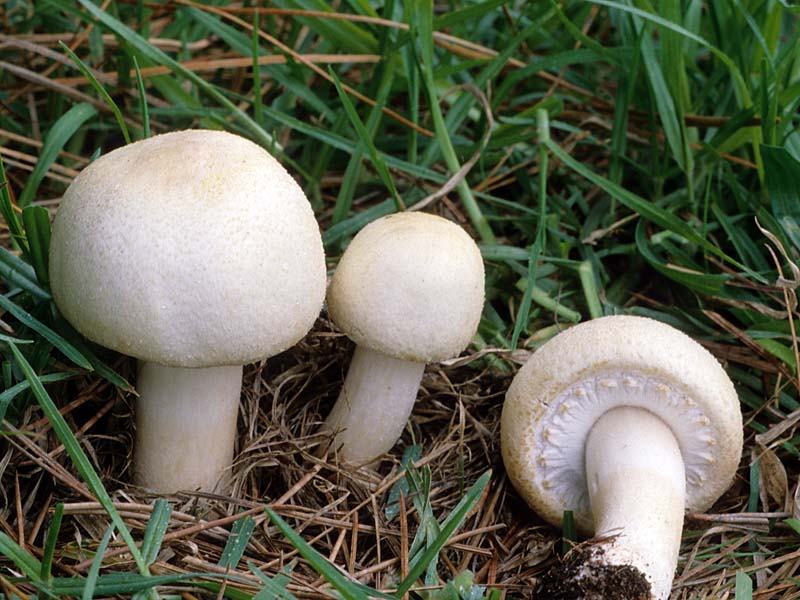
The first group includes the beloved button mushrooms and ringed mushrooms. Winter honey mushrooms, shiitake mushrooms, and oyster mushrooms are considered woody mushrooms. Experienced mushroom pickers also cultivate chanterelles, porcini mushrooms, and others. This is somewhat more complex technologically, requiring in-depth gardening knowledge, properly prepared premises, and soil. Experienced gardeners venture into cultivating one of the most expensive mushrooms—truffles. They develop exclusively in the root system of certain trees, which require specific climatic conditions for successful growth.
The main advantage of growing mushrooms is the minimal physical and financial investment. To harvest a bountiful crop of home-grown oyster mushrooms, you don't need to be a master of mycology (the study of mushrooms). Simply create comfortable conditions and follow the instructions. In the wild, oyster mushrooms grow on deciduous tree trunks and stumps.
The first step is to choose a growing method. Intensive cultivation involves creating an artificial microclimate. Extensive cultivation involves creating conditions close to natural ones, such as those found in forests.
Video: Growing Mushrooms at Home
This video explains how to grow oyster mushrooms at home.
Where to get mycelium
Mycelium is the body of the mushroom. Experienced growers cultivate it at home. First, you need to decide what kind of mycelial medium to use: liquid, grain, or substrate. Each of these options has its advantages and disadvantages. Liquid mycelium is quite difficult to prepare, grain mycelium does not have a long shelf life, and mushrooms grow very slowly in a substrate.
For home mycelium, it is important to create certain conditions:
- additional light;
- good ventilation;
- heating.
In the room where the mycelium is grown, the air temperature should always be stable – 25 °C above zero.
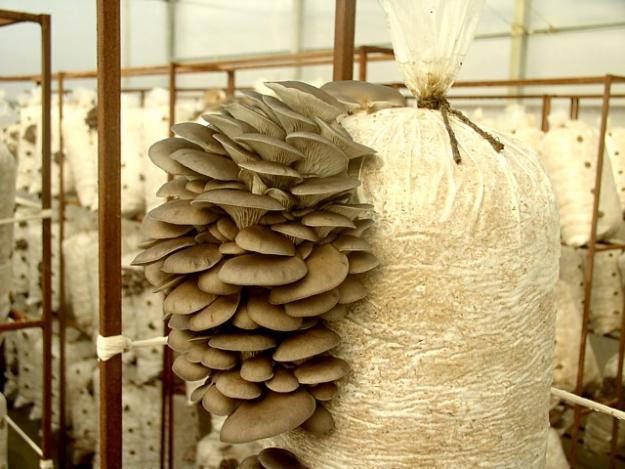
Mushroom growers just beginning to delve into this field can purchase pre-grown mycelium. However, this carries a risk, as the conditions in which the mycelium was grown may be less than ideal. In any case, purchasing pre-grown mycelium saves a lot of time.
What to grow in
The lion's share of time and effort is usually spent on creating the mycelium. Many people purchase ready-made material from trusted manufacturers, but in rare cases, it can fail. That's why experienced mushroom pickers recommend making your own mycelium.
So, the material for growing mushrooms is formed using the following methods:
- on special sticks;
- in a grain substrate.
The composition of the growing medium depends on the variety being planted. For example, oyster mushrooms thrive in straw, shiitake mushrooms thrive in wood, and button mushrooms prefer compost. It's worth noting that finely chopped straw (rye, wheat, or barley), or even better, sawdust, can be a good base for growing virtually any mushroom, provided the right conditions are met.
The main requirement for a high-quality substrate is dryness, absence of mold, and any foreign odors. Sunflower husks are an excellent option for oyster mushrooms. However, it's crucial that the material be fresh. Old husks harbor a lot of pathogenic bacteria, which will disrupt the normal composition of the material. Alternative growing methods exist. They are not intended for large-scale harvesting and are used more for experimental purposes.
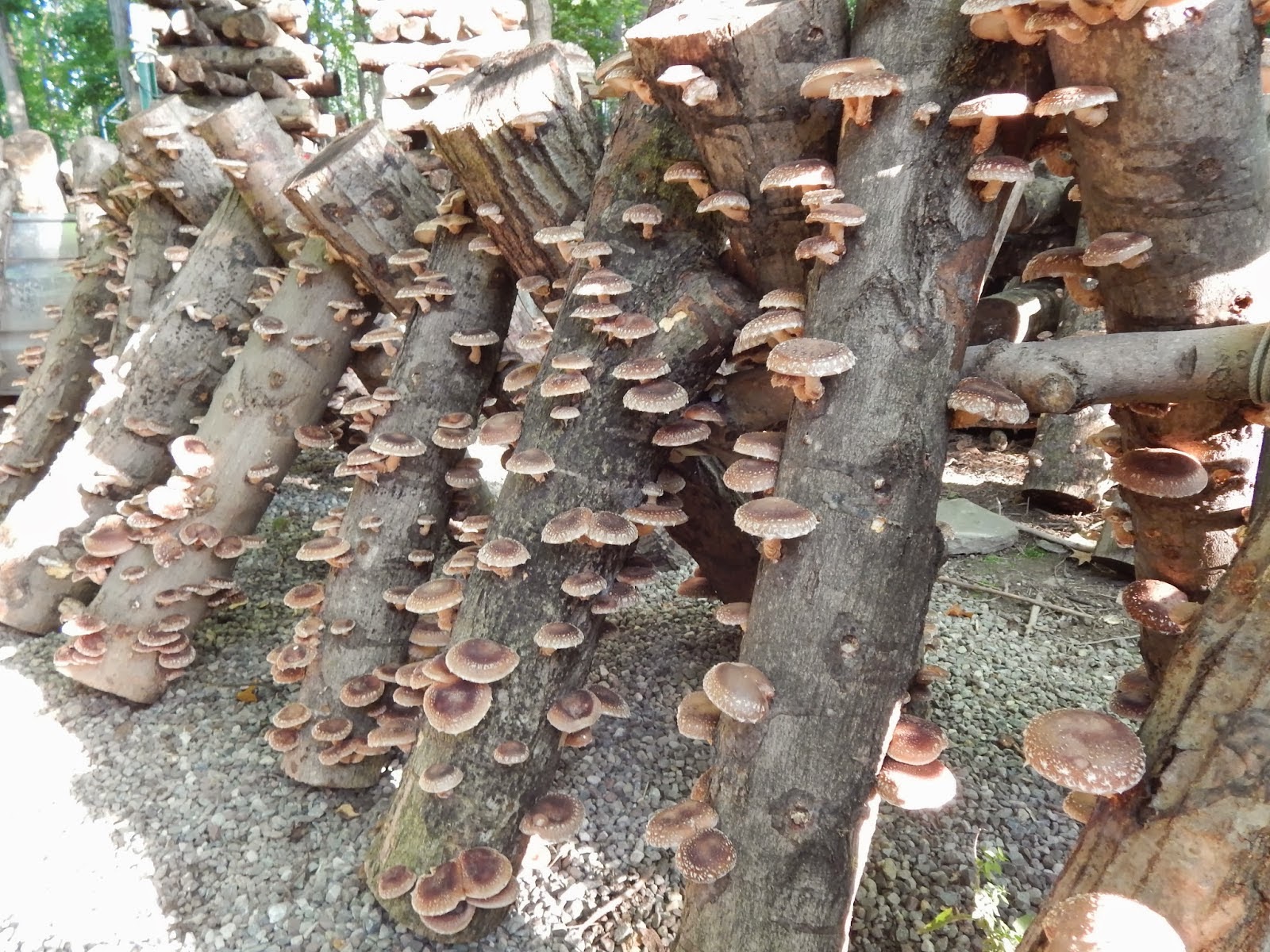
The first method is growing on logs. First, logs are cut from deciduous tree trunks. Their length should not exceed one meter. Next, small holes are drilled 15 cm apart. They should be staggered. Now the holes are filled with mycelium. It is important that the gardener's hands are disinfected and the "nests" are free of debris. The logs are stored in a cellar, where the proper temperature and humidity levels are maintained.
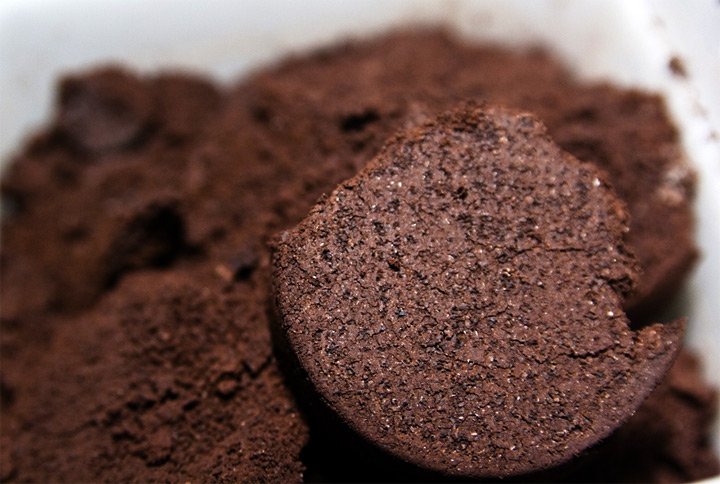
Another equally interesting method is growing mushrooms on coffee grounds. Coffee grounds are considered a beneficial source of nutrients, containing a wealth of beneficial elements such as magnesium, potassium, and nitrogen. This material is ideal for oyster mushrooms. The only difficulty is that the grounds must be fresh, and obtaining large quantities is quite difficult. Food containers or freezer bags can be used as planting sites.
How to grow
Honey mushrooms
Even inexperienced mushroom pickers can propagate honey mushrooms. Honey mushrooms are easy to care for and don't require significant investment. The most common method for propagating these mushrooms is growing them in wooden tubs. This method is applicable both in specially prepared forest plots and in the countryside. Deciduous tree tubs can be used as "houses" for the mushrooms. However, it's best to avoid coniferous varieties. Mushrooms grown in them will have a bitter taste due to the large amount of resin in the wood.
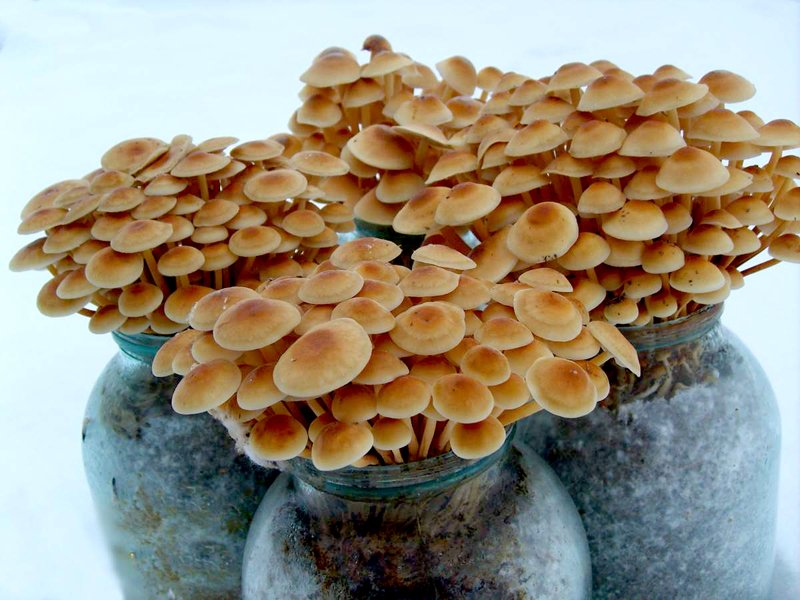
Holes are made in the prepared material and then filled with planting material or mycelium. The holes are covered with a layer of substrate. It's crucial that the planting material be of high quality. Mushroom sticks, which are popular today, can be used. These are ordinary wooden sticks inoculated with mushroom spores. To speed up the maturation of the mushrooms, the wooden tubs are covered with cellophane. The plastic should be lifted from time to time to allow the mycelium to air out.
Oyster mushrooms
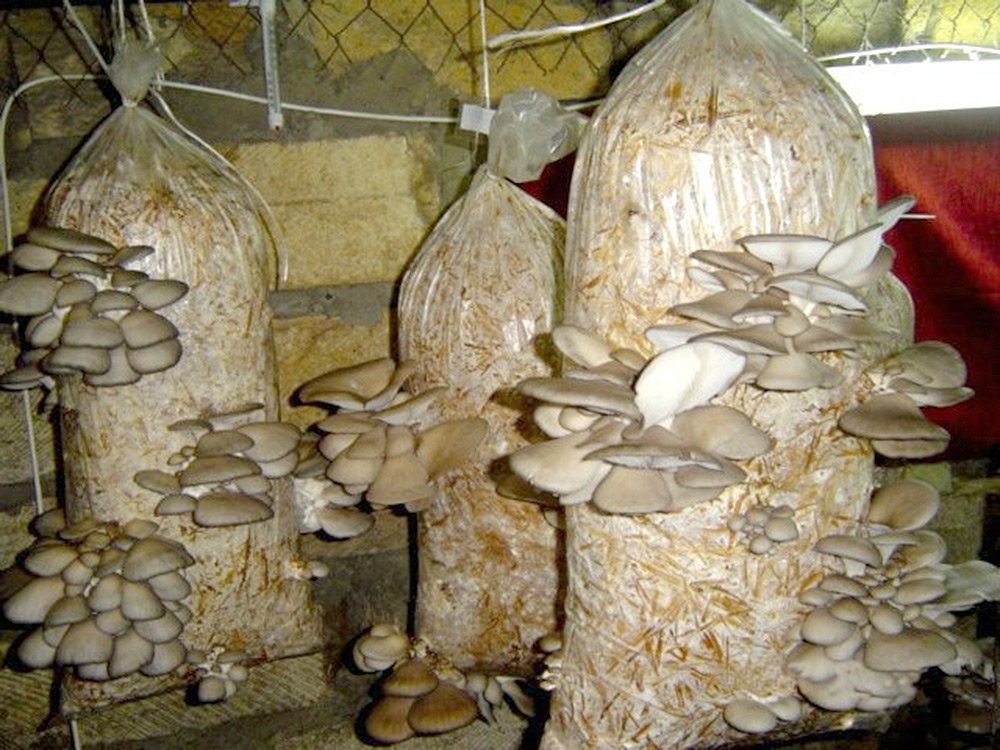
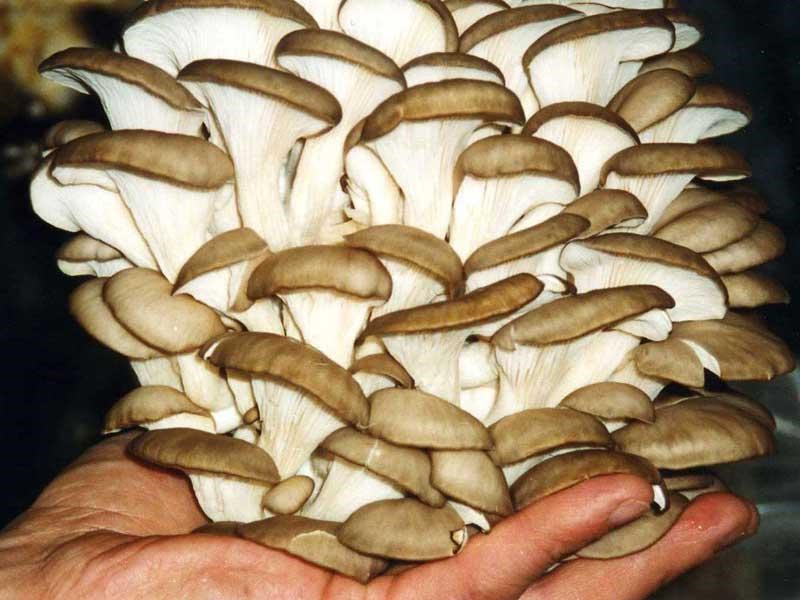
Propagating oyster mushrooms is within the reach of both experienced and amateur mushroom pickers. As is well known, oyster mushrooms naturally grow on the trunks and stumps of deciduous trees. First, prepare the soil. Mix sunflower husks, fine straw, and sawdust. It's important that the substrate is fresh and clean. A well-ventilated cellar is the best place to propagate oyster mushrooms.
Once the material and the room are fully prepared, the mycelium is sown. The soil is spread into regular plastic bags to a depth of 10 cm. The seed is then sown and covered with substrate. The bag is tied and small holes are made in it for the future mushrooms. The bags are placed vertically, spaced slightly apart.
Porcini mushrooms
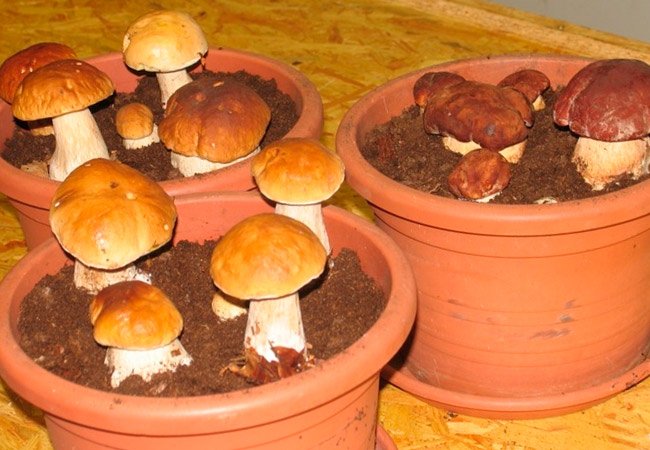
Propagating porcini mushrooms is a simple process. Simply find a mature mushroom in the forest and chop it up. Then, soak the mushroom pieces in water and place them in a dark place for 1.5–2 days. Make a small bed under a deciduous tree in your garden. Fertilize it with manure, mixing thoroughly. Add the spore mixture and cover with a thin layer of soil.
Champignons
Champignons are very common mushrooms, so you can grow them not only for yourself but also for sale. Experienced mushroom growers often engage in large-scale cultivation, turning it into a full-fledged business. A significant advantage of these mushrooms is the ability to grow them in multiple layers, thereby saving space. For comfortable mushroom growth, it's important to maintain a temperature of 13°C, 80% humidity, and complete darkness.
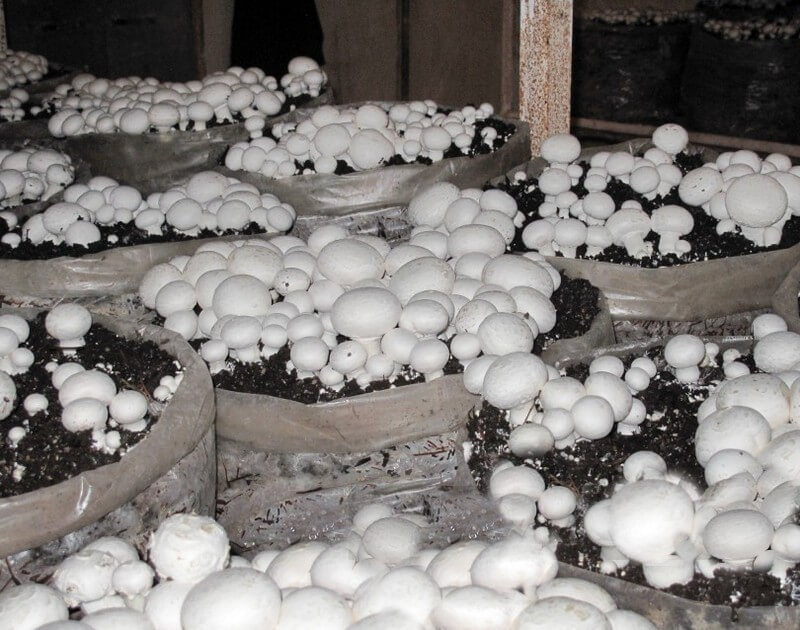
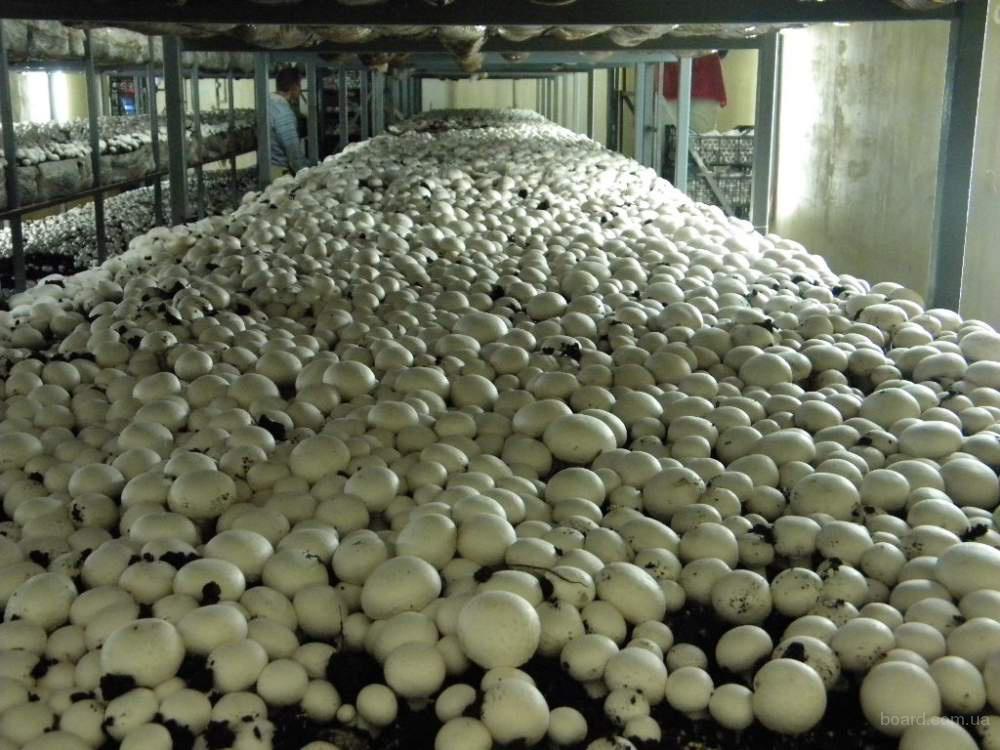
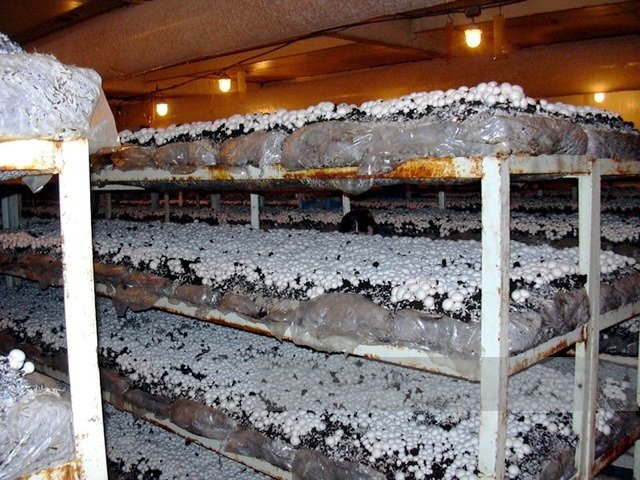
First, you need to prepare a nutrient mixture. This can be done by simply mixing straw, sawdust, and manure. This should be done four to five weeks before adding the mycelium. To ensure the soil is of good quality and nutritious, ammonium sulfate is added to it and stored in a cool place. The soil should be mixed weekly, and gypsum should be added once. Once the mixture is ready, the mycelium is added.
Cardboard boxes are the best option for harvesting mycelium. They should be broken into pieces and cleaned of any remaining glue and paint. Mushroom scraps are used as planting material. Disinfect your hands and all tools before beginning the process.
The method for producing mycelium is simple. Cut cardboard into pieces and soak them in warm water. Let them sit for about two hours. Now, distribute the cardboard pieces into plastic containers, which must have drainage holes. Separate the mushroom waste into fibers and spread them over the cardboard pieces. Cover this with a thin layer of paper. Cover the container with cling film. Air it out daily and moisten it as the paper dries.
Mycelial growth typically takes about five months. Initially, the temperature of the room where the mycelium is stored should be around 20°C. After a couple of weeks, it is reduced to 16°C, and after about a month and a half, the first mushrooms will appear.
Pros and cons of ready-made myceliums
Ready-made myceliums are gaining widespread popularity.
The main advantages of ready-made mycelium include:
- Ease of use. The traditional method of mushroom propagation is quite technologically advanced and requires some investment. Mushroom growers must find a dedicated space and provide the necessary equipment, including electricity, water, and insulation.
- Miniature size. The finished mushroom plantation is so compact that it can be placed on a windowsill.
- Eco-friendliness. Champignons, oyster mushrooms, chanterelles, and any other mushrooms grown in prepared mycelium will be extremely nutritious. After all, the gardener controls the entire propagation process without the use of chemicals.
- Early harvest. The first harvest will appear within a couple of weeks after planting.
- Odorless. According to experienced mushroom pickers, the prepared mycelium doesn't leave a strong odor throughout the house.
Disadvantages include:
- Poor availability. Home mycelium cultivation kits are not available in stores or markets. They are only available from specialized online retailers.
- Price. The cost of such a plantation is not small.
- Harvest volume. A home-grown mushroom garden will yield only a small amount of mushrooms. This is why the prepared mycelium option is suitable for beginners.
Reviews
Alexandra, 43 (Novorossiysk): "We recently bought a ready-made homemade mushroom farm. The first mushrooms started sprouting on the fifth day. At this rate, we'll soon be harvesting our first mushrooms."
Nina, 30 (Yekaterinburg): "We've been growing oyster mushrooms in our home mycelium for several years now. We're happy with everything. We always have fresh, natural mushrooms on our windowsill."
Vladislav, 55 (Rostov-on-Don): "I'm an agronomist by trade, so I love plants. My wife and I grow our own chanterelles in a prepared mycelium. It's convenient and quick. However, you shouldn't expect much of a harvest from such a plantation."
Growing mushrooms in mycelium is not difficult. However, it requires some preparation, both on the part of the mushroom grower and the growing area. Regardless, it's best to place the mycelium in a designated area. This will protect your home and loved ones from mold and harmful bacteria.