
Features of growing and caring for asparagus beans
Content
Preparing the garden bed
The crop gets its name from its distinctive flavor, similar to that of young asparagus shoots. It is related to the common bean, and the cowpea family is one of its varieties. Three varieties of asparagus beans are grown outdoors: bush, semi-climbing, and climbing.
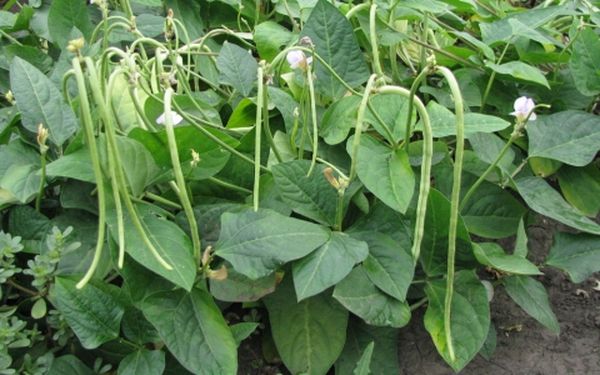
The pods can have purple, green, yellow, or red surfaces. Beans should be planted in a sunny, draft-free area. Legumes don't like low-lying, damp areas or heavy soils. However, they thrive in loose, fertile soil. Prepare the bed in the fall. Dig the soil and add humus, potassium chloride, and superphosphate. Good predecessors for beans are all types of cabbage, nightshades, cucumbers, and also some root vegetables – carrots, beets, celery and root parsley.
Timing and rules for sowing
Growing beans from seed is the best way to grow them in your own garden. It's recommended to plant them outdoors based on the region's climate. In temperate climates, sow seeds in mid-May (when frosts are no longer possible), while in northern regions, sow in early June (it will be too late in July). Residents of southern regions plant earlier than everyone else, in the second half of April. First, sort the seeds. Whole, undamaged seeds are placed in warm water for 10-12 hours.
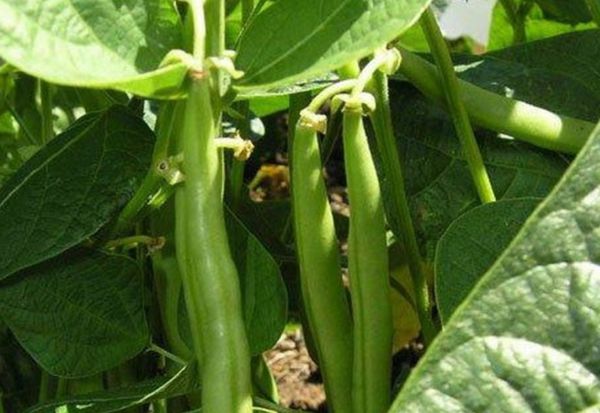
Ash, organic humus, slurry, or honey are often used to stimulate active growth. Once the seeds have swollen, they should be planted 5 cm deep in light soil or 3 cm deep in loamy soil. The beds are mulched with humus. If there is a risk of frost, a protective cover of plastic is created. The first shoots appear in 7–10 days.
Which growing method should I choose?
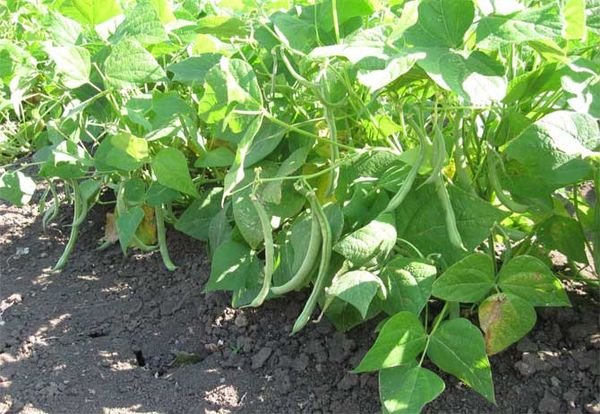
Depending on the bean variety, different cultivation methods are used. Bush varieties are conveniently planted in rows or staggered patterns. Within a row, plants should be spaced up to 0.25 m apart, with approximately 0.45 m between rows. Climbing beans grown in the garden require sturdy support.
How to grow beans using the nest method? To do this, plant a maximum of 12 beans in a bed up to 0.9 m in diameter. Create a tent-like structure using stakes. Can the plant be placed on a trellis with taut ropes? This method is good for climbing beans. The advantages of this method are that each plant receives plenty of light, is well ventilated, and is also visible (making harvesting easy). After growing beans from seed in a garden, they are often planted along fences or building walls. These provide support for the beans and promote the development of beautiful "green carpets."
Care and fertilization
How to organize the cultivation and proper care of asparagus beans to ensure a good harvest? Watering, tilling, weeding, and fertilizing are essential. Water early in the morning or late in the evening under the bush. Timely loosening prevents the formation of a dense soil crust. Mulching helps retain maximum moisture and reduce weeds. Climbing varieties require pinching at the top at 2–2.5 m. This procedure is necessary to increase the number of ovaries.
During the growing season, it is better to feed beans several times.
In the fall, when digging, add organic matter such as compost or rotted nitrogen. The application rate is 5–7 kg of fertilizer per square meter. During bud formation, the crop requires superphosphate and potassium chloride at a rate of 30 g and 20 g, respectively, per square meter. To ensure the beans receive sufficient potassium, magnesium, and phosphorus, wood ash is spread around the bushes. This also provides reliable protection against snails and slugs. After the first flush of flowering, legumes should be fertilized again.
Harvest timing
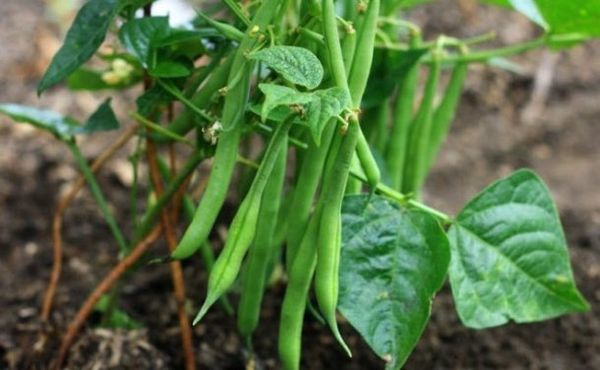
Based on ripening time, bean varieties are classified as early, mid-season, and late. Early-ripening varieties are harvested 45–60 days after sowing. Mid-season varieties ripen in 55–80 days, while late-ripening varieties do not ripen until 90–130 days later. To stimulate the formation of new ovaries, pods are harvested 7–8 days after flowering. This prevents the pods from becoming rough and drying out. The pods are harvested in stages until late autumn. It is best to use sharp pruning shears or a knife to avoid damaging the plants during manual harvesting. If seed is desired, a portion of the crop is left until fully ripe.
Video: Planting Green Beans
This video will show you how to plant green beans correctly.