
How to choose the best bean color and variety
Red
Existing bean varieties vary in plant type, cultivation method, flavor, fruit color, and shape, as well as consumption. Bean varieties can be climbing, semi-climbing, or bush. Climbing varieties are vines up to 5 m long, semi-climbing varieties up to 2 m, and bush varieties no longer than 60 cm.
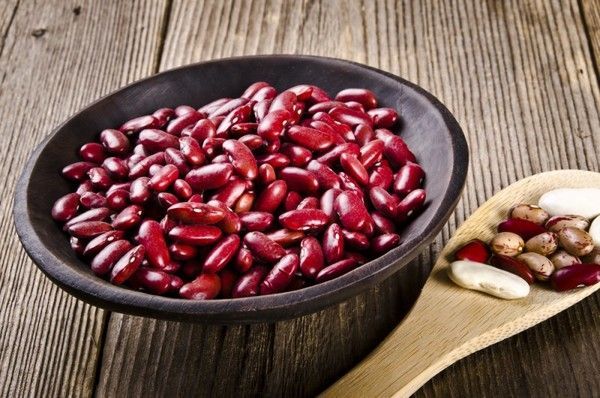
Red beans are highly valued for their content of fiber, which is beneficial for the intestines, some vitamins and protein. Raw beans contain toxins, so they must be soaked and cooked for at least 10 minutes. The best varieties of green beans include Tomato, Medium Red, and Skorospelka. Gardeners enjoy growing Tashkent, Adzuki, and Ethiopian shelling beans.
Each variety has its own distinctive appearance and proven cultivation method. For example, the Skorospelka bean variety lives up to its name, ripening in just 55–60 days after planting. Tomatoes have oblong, brown pods, making them ideal for Georgian cuisine and canning. The Tashkent variety is a good, heat-loving variety, grown by residents of southern regions. In temperate climates, seedlings are used for propagation.
Yellow
Now let's talk about yellow asparagus beans and their popular varieties, each interesting in its own way. The large pods, with their characteristic bright color, resemble wax. These beans can be eaten raw or incorporated into various dishes. Sweet Courage is an excellent bean variety, producing a harvest in up to 56 days after germination. This crop grows no more than 40 cm tall, and its rich yellow beans are cylindrical in shape.
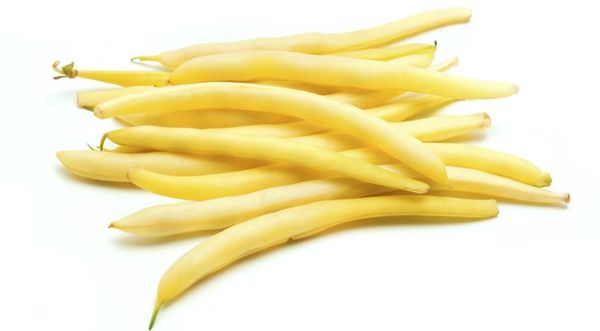
The plant produces pods growing to 12–16 cm. Laura is a small, bush-shaped legume. Full maturity occurs in 55–65 days. The cylindrical pods, which grow no more than 14 cm and contain numerous light yellow beans, are worthy of mention. Also worth mentioning is the climbing Golden Nectar, with pods up to 25 cm in size and small, juicy beans. The harvest can be completed 70 days after sowing.
White
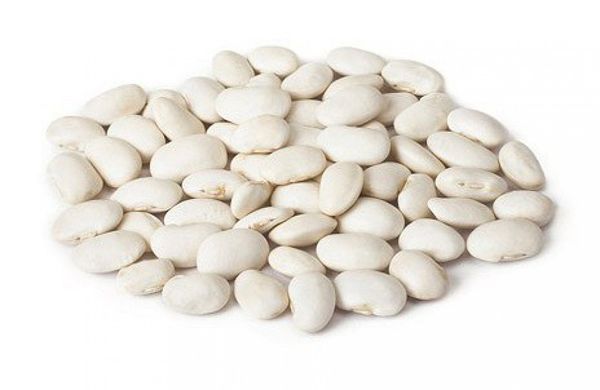
Dietary and easily digestible, white asparagus is prized by gardeners for its rich protein and iron content. White beans, cooked with vegetables, also contain a large amount of vitamin C. Cultivated using a proven method, yields vary depending on the variety and care provided. Black-Eye beans are a popular choice—a plant with an interesting name, white beans, and a distinctive black spot.
These white beans always cook in no time and don't require soaking.
White beans called Chali have large, dense beans. They are boiled and then fried before eating. Nevi is a white bean rich in iron and fiber, essential for digestion. White beans of the Belye Kobyly variety are also widely grown by gardeners. White Flat Beans and Beloserka Beans are also popular.
Green
According to documents, the cultivation of this plant wasn't limited to the ancient Chinese. It was also cultivated by the Aztec and Incan tribes, who inhabited South American countries. Green bean varieties are legumes 6–20 cm in size with 3–8 "lobes." The pods can be round (asparagus, Kenyan, or French) or flat, as well as short (7–13 cm).
The best varieties are asparagus (tendergreen) and cauliflower. A striking example of the latter is the fragrant legume 'Kinghorn Wax.' Its beans are a delicate yellow or cream color. Remarkably, they don't change color when cooked. Flat-shaped legumes should be harvested promptly to prevent them from becoming coarse. A member of the 'Hunter' or 'Prince' variety is also worth planting in your garden.
Purple
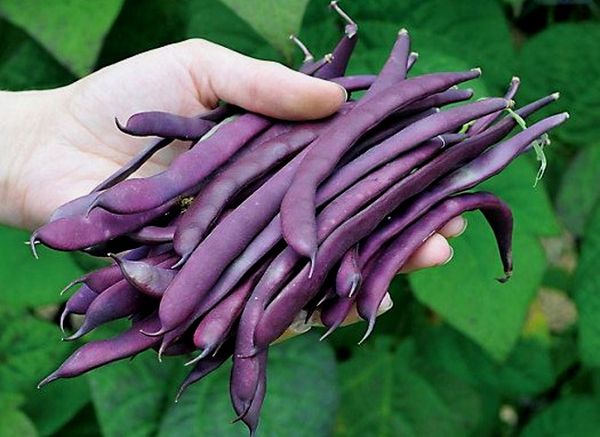
Purple beans are a legume with yellow-purple pods up to 12 cm in size and olive-colored "shoulder blades." This variety is often called "dragon's tongue." Young beans can be eaten raw, but mature beans are best cooked. This dietary product, which is initially purple, turns green during processing.
A mid-season variety of climbing crop with the beautiful name Purple Queen – a plant with pods from 15 to 17 cm long, inside which are crispy and juicy “shoulder blades”.
The growing season lasts up to 55 days. The plant, up to 60 cm tall, is drought- and low-temperature-tolerant. Bluehilda is an early, fiberless variety with a high yield and delicious flavor from its brightly colored pods.
Black
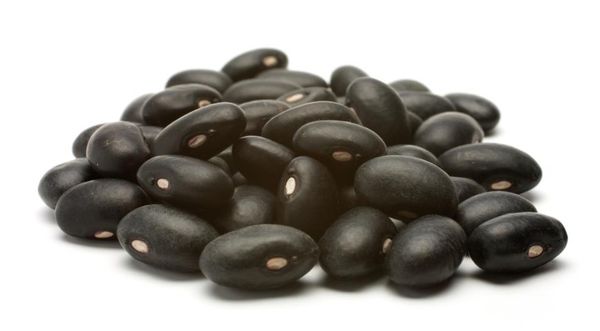
Black beans are a green bean that's not yet widely grown in our country, and we'll discuss the best varieties in conclusion. Black beans are an excellent meat alternative and are known for their high protein content. Kidney beans are dark beans, kidney-shaped and with a distinctive red hue. When cooked, they turn pink, and the skin becomes thin.
There's also Preto, a black bean with a white ridge on the surface. The inside is creamy. A distinctive characteristic of this variety—a light berry aroma—emerges during cooking. Preto black beans take at least 1.5 hours to cook, after briefly soaking them. The finished product has a slightly sweet, pleasantly bitter taste.
Video: Planting and Caring for Beans
This video will teach you how to properly plant and care for beans.