
When and how to harvest beans from the garden for storage
Harvesting green pods
Green bean pods can be used to make a variety of delicious dishes. To do so, they must be juicy, with a fleshy green portion and unformed beans. They can be harvested 8–10 days after the ovaries have formed. Depending on the variety, the pods can range in length from 5–14 cm. To check if a pod is ripe, break it open and inspect the break. The texture should be uniform and not stringy. Pods typically ripen unevenly and can be picked as needed.
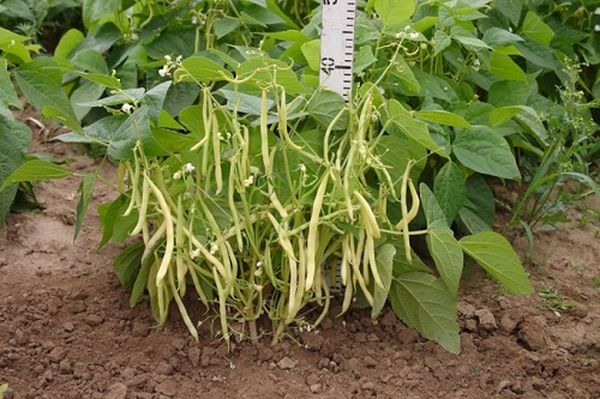
You can extend the fruiting season by watering the beans after the first harvest—this stimulates the formation of new pods. New edible pods will then appear until frost. In temperate climates, newly ripening pods can be harvested on average 1-2 times a week, while in southern regions, 2-3 times.
Early morning is the best time to harvest: thanks to the nighttime moisture, the pods are especially juicy at this time. To avoid damaging the plant, they are cut with scissors or plucked off, holding the stem with the other hand.
Remember that green beans need to be thoroughly boiled – this destroys the harmful substance pheasin they contain.
Harvesting beans
Now let's find out when to remove beans from the garden for storage, if you are interested in beans.
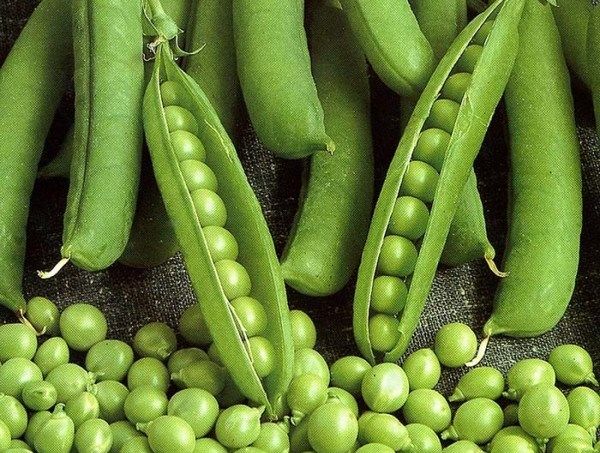
If you want to use them for food, the best time is when they're "milky ripe." At this time, the leaves begin to dry out, the pods of some varieties turn yellow, and the beans themselves become large and firm, acquiring the characteristic color of the variety. The lower pods usually ripen first.
You can harvest beans as they ripen, but do so regularly to prevent them from falling out of the opening pods. Alternatively, place a sheet of plastic under the plant. If you don't collect fallen beans, they may attract pests, which will then start damaging the unripe pods.
What should you do with beans if rain prevents them from ripening? In this case, you can pull them up whole and then dry them in a pantry or outside in the shade.
Depending on the variety and weather conditions, bean harvesting begins in July and continues until October. In a greenhouse, ripening can occur as early as June. Climbing beans can yield 2-3 harvests per season.
If you have both early-ripening and late-ripening varieties, it's a good idea to label the plants with signs to avoid confusion about when to harvest the beans. For colder regions, such as Siberia, early-ripening varieties are recommended.
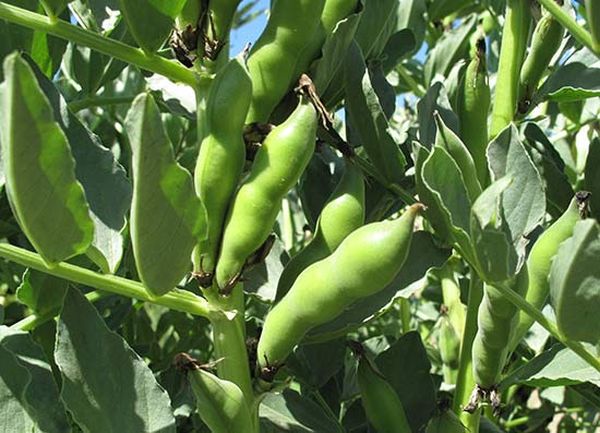
For some varieties, the yield depends on how quickly you pick the ripe pods: the more often you pick them, the more abundantly your bean bed will bear fruit.
If you want to collect seeds for future cultivation, it is advisable to do this later, when the pods have already dried out considerably and the seeds themselves have become hard.
Storage methods
The next important question is: how to store beans?
Green pods can be stored in the refrigerator. They will keep in the vegetable drawer for about 10 days at a temperature of 4–7°C and humidity no higher than 95%.
Many people ask: how to preserve fresh beans for the winter? The solution is to use the freezer. Wash and cut the beans into pieces about 2.5 cm thick, then blanch them in boiling water. Once they've cooled, place them in the freezer in airtight plastic bags or food containers, dividing them into portions. You can also freeze them fresh, loose, as long as they're completely dry, otherwise they'll freeze. Fresh beans will keep their flavor in the freezer for up to six months.
To preserve shelled beans, they must first be thoroughly dried; otherwise, they may become moldy. To dry, spread the beans in a thin layer on paper or plastic wrap. Stir them daily. Damaged beans should not be stored.
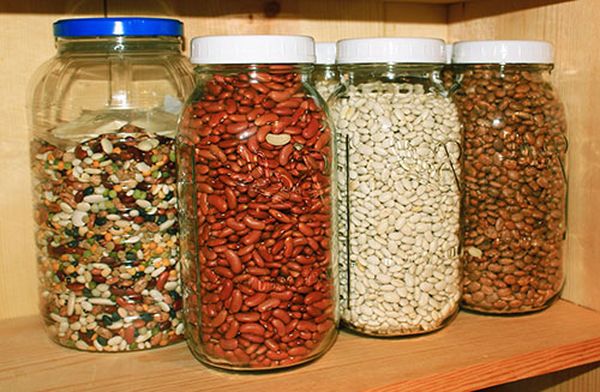
Weevils easily penetrate cloth bags, which can cause significant damage to the harvest. To prevent beetles from infesting, beans in the bags should only be stored at temperatures below 7°C (45°F). This can be done in the refrigerator (if space is available) or, in the winter, on an unheated balcony or in a pantry. Relative humidity should be no higher than 50%. The smell of garlic is believed to repel pests, so many gardeners recommend adding a few cloves to each bag.
The best place to store dry beans is in glass jars with airtight lids, where the beans will be protected from both harmful insects and moisture.
An additional defense against beetles that may have hidden in the beans during the summer is roasting: placing the beans in an oven preheated to 90°C for 4–5 minutes. This method is only used for beans intended for consumption; it is not suitable for seed.
Video: "Hand Harvesting Beans"
This video will show you how to harvest beans by hand.