
When to harvest and how to store green beans
Content
Ripening characteristics of different varieties
Depending on the specific variety, harvest time may vary slightly. For example, some bean varieties can be harvested as early as early August, while others will require a longer wait.
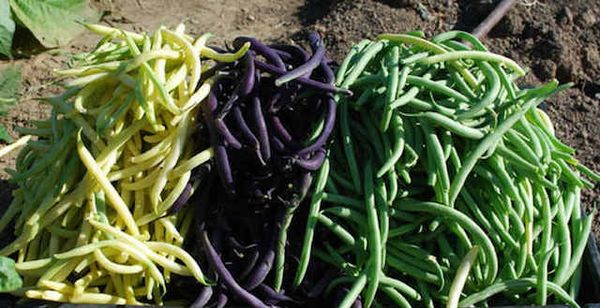
For example, the Liana green bean variety matures within 55-60 days from the moment the first shoots emerge. However, the Makaretti variety takes slightly longer to mature, requiring 60 to 65 days to yield a harvest. Or, for example, the Zhuravushka variety, a general-purpose bean variety, matures 48-50 days after germination. The Laura variety matures in 55-65 days.
As we can see, the ripening times for different varieties generally don't vary much. Later in the article, we'll explain in detail how to tell if beans are ripe. Even if you're unsure how long it will take your chosen variety to ripen, you can always use characteristic signs to determine when it's time to harvest your bean "plantations."
When and how to harvest
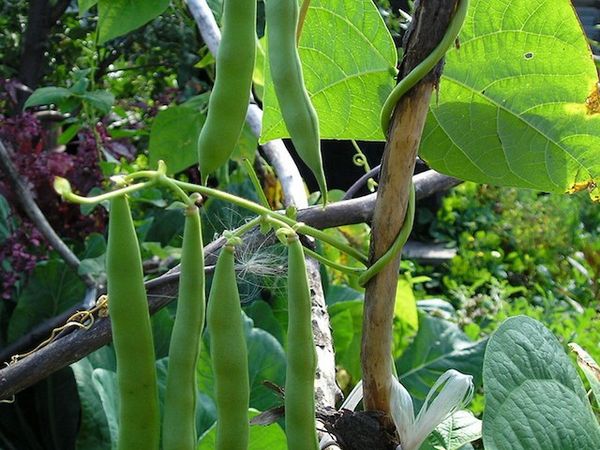
If you're unsure when to harvest green beans, take a closer look at the plants—these telltale signs will indicate it's time to harvest. First of all, the pods themselves should be quite fleshy, and you should be able to feel the beans clearly when you touch them. If the beans are slightly tender, it means you should wait a little longer – you shouldn’t harvest the crop ahead of time.
The second characteristic sign is a yellowish tint to the pods themselves. There are two options here. First, if you want to harvest the beans for immediate consumption or canning, you should harvest them when the pods are just beginning to yellow. The second option is storing the beans. In this case, wait until the pods are completely yellow and dry before storing them.
So, how do you properly harvest these beans? As a rule, you should pick the pods from the entire plant at once. The optimal time to harvest is early morning, when the dew hasn't dried on the leaves. This allows the beans to absorb moisture, resulting in very juicy beans. To harvest properly, do the following: gently hold the plant with one hand and quickly pull off the pod with the other. You can also trim the pods with sharp scissors.
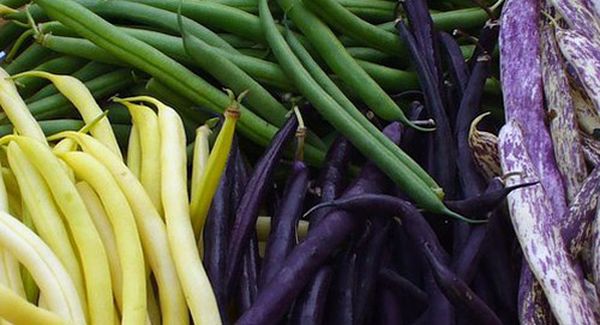
After harvesting the beans, spread the pods on a cloth and leave them to dry in the sun for a while. Once your harvest is completely dry, divide it into two piles and place the beans from each pile in a separate container. One pile will contain the pods that are completely yellowed and dry, while the other will contain the ones that are still slightly green.
Accordingly, dry beans can be safely stored in cloth bags to preserve green beans for the winter, but green beans can be eaten immediately—they cook very quickly. Fresh beans are used for canning, and some can be set aside for freezing (freezing fresh beans is quite common), so think through all the possible uses for these beans in advance.
The key to harvesting is deciding whether you want to use most of the beans immediately (canning or freezing) or whether you'll need more beans to store and plant in the ground in spring. Plan your harvest accordingly.
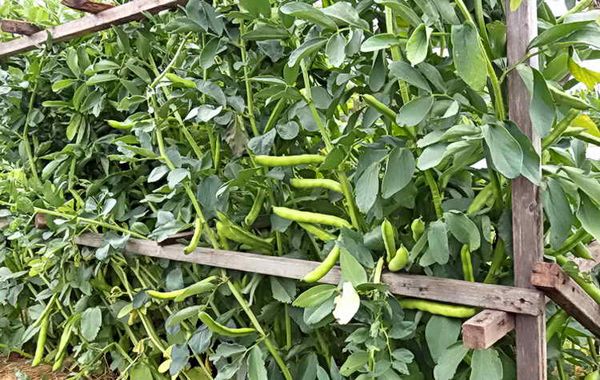
You can also harvest fresh beans as they ripen. Instead of picking the entire plant at once, you can gradually pick the pods that are beginning to ripen. This method will stimulate the remaining beans to ripen faster, and you'll have more fresh beans at your disposal.
Long-term storage rules
After harvesting and consuming (or canning) fresh beans, it's important to take every precaution to preserve the dried beans for the winter. First, thoroughly thresh the harvested beans and dry them thoroughly, spreading them out on either canvas or regular paper.
Also, make sure you have airtight containers to store your beans in. If you neglect this simple rule, your beans will soon become a tasty morsel for a variety of pests. If insects have infested your airtight containers (for example, if they entered with the beans themselves), remove them, spread them on a baking sheet, and steam them thoroughly in a preheated oven (10 minutes is enough). Of course, the downside of this procedure is that you won't be able to plant these beans next year, but you will definitely get rid of the pests.
Storing beans at home isn't difficult. You just need to be careful not to let them get bugged. Generally, if you sort your beans thoroughly, the risk of this problem is minimized, and next year you'll have excellent, high-quality seeds ready to plant in the ground come spring.
Video: "Hand-picking beans"
This video will show you how to harvest beans properly.