
Description of the early-ripening melon variety Cinderella
Content
Description of the variety
This variety is listed in the state register as a variety recommended for planting in garden plots, as well as on homesteads and small farms. The fruit is considered ultra-early ripening—it completes its development cycle in just 50 days. During this short period, the pumpkins gain up to one and a half kilograms in weight.
The variety is also characterized by resistance to the main diseases and parasites of melons. Cinderella tolerates both light frosts and moderate drought well.
Main characteristics
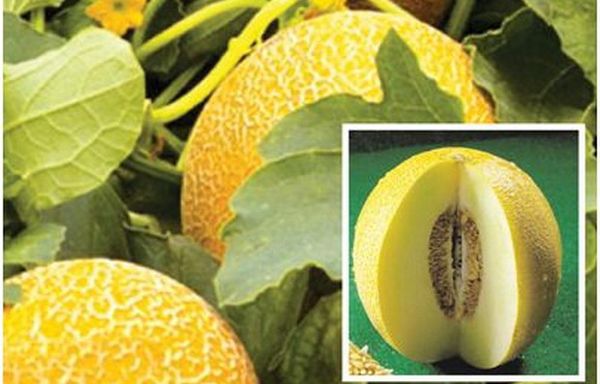
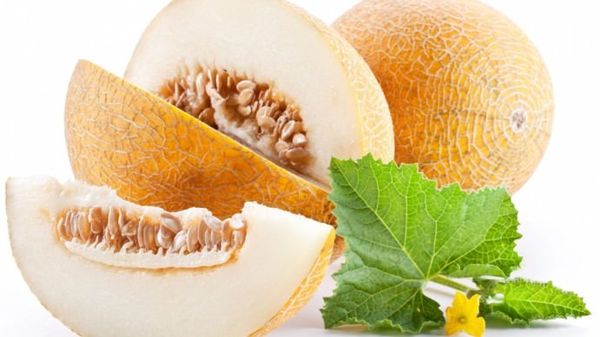
Cinderella is a climbing plant with large, loosely dissected leaves. The leaves are typically a rich green. The fruit is oval and pale yellow. There is no pattern; the surface is generally smooth, with a continuous mesh. The maximum weight of pumpkins typical for this variety ranges from two to two and a half kilograms.
The flesh is juicy, not very sweet, green or white. It contains about 9% sugar, but its rich aroma makes the Cinderella variety highly prized for culinary purposes. The fruits have a short shelf life and are difficult to transport due to the melon's thin, rigid rind.
One of the clear positive aspects of this variety is its high tolerance to temperature fluctuations. Furthermore, it is resistant not only to abiotic factors but also to various diseases, including pests.

A thousand seeds weigh 45 grams. Overall, one hectare can yield approximately 134 centners of melons. This variety is recommended for local consumption.
Features of agricultural technology
Sowing of Cinderella melons is usually scheduled for May, but given the plant's resistance to various diseases, it can be extended to the last weeks of April. In open ground, the sowing pattern remains standard for all melons: 140 x 60 centimeters. The distance between rows should be at least sixty centimeters. The crop is planted shallowly, on average 3-4 centimeters deep.
It's best to sow seeds at least when the soil warms up to 16 degrees Celsius. This will ensure high germination rates and protect them from diseases. Before planting, it's recommended to treat the seeds with contact fungicide solutions to increase their resistance and prevent fungal infections.
The best precursor crops for melons are legumes, which enrich the soil with nitrogen and create an optimal mycolytic environment for the development of pumpkins. Just as good as legumes and cruciferous plants, melons grow well in areas previously planted with cabbage. Potatoes can also be used as a precursor crop.
To prevent the plant from getting sick and to quickly produce a large harvest, timely watering, soil loosening, and fertilizing are necessary during care.
Video: "Melon Growing Guidelines"
This video will show you how to grow melons properly.