
Description of Cucumber-Flavored Snake Melon
Content
Description of melon
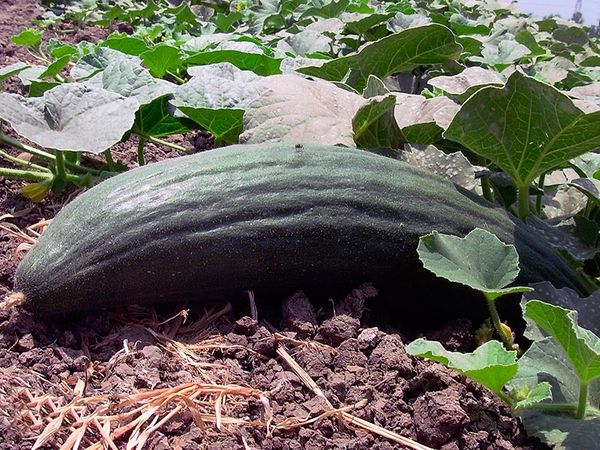
This variety has a distinctive shape, giving it the nickname "snake melon." The melon is elongated, narrow, straight, or slightly curved. Unripe melons are covered with a green skin. When ripe, the skin turns yellow and becomes rough and uneven to the touch.
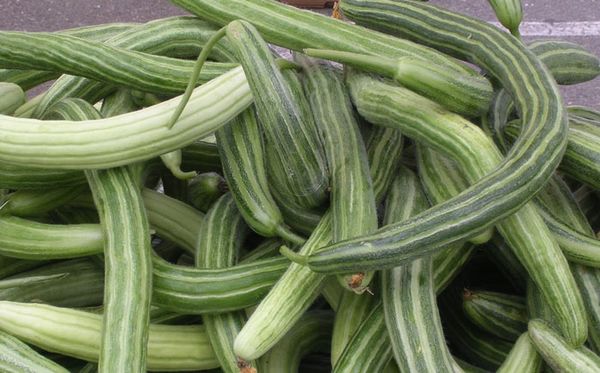
The flesh is soft, sweet, and very juicy. An interesting feature of this variety is its cucumber-like aroma and distinct melon-like flavor. Some gardeners have noted that on hot days, the high water content of the Armenian cucumber can help prevent dehydration. Snake melons typically weigh no more than 1.5 kg, although modern breeders have developed larger specimens that can weigh over 6 kg.
Main characteristics
In addition to the main characteristics of the Armenian cucumber—its taste—gardeners highlight its undemanding nature regarding growing conditions and its resistance to many diseases, including powdery mildew and late blight. Moreover, among fans of this variety, its healing properties are always emphasized. Its very sweet taste indicates that the pulp contains over 12% sugar. Furthermore, the vitamins A, C, and E in its composition give this variety special health benefits.
Doctors recommend eating Armenian cucumbers for kidney and gallbladder diseases, obesity, arthritis, and hypertension. Snake melon has a positive effect on stomach function and intestinal motility. Besides the variety's undeniable health benefits, its qualities as a crop are also noteworthy. Its ripening period is short, and its shelf life is long. Furthermore, the fruits are highly transportable. Many home cooks also note that this melon is not only an excellent dessert variety, but also suitable for culinary purposes.
Features of agricultural technology
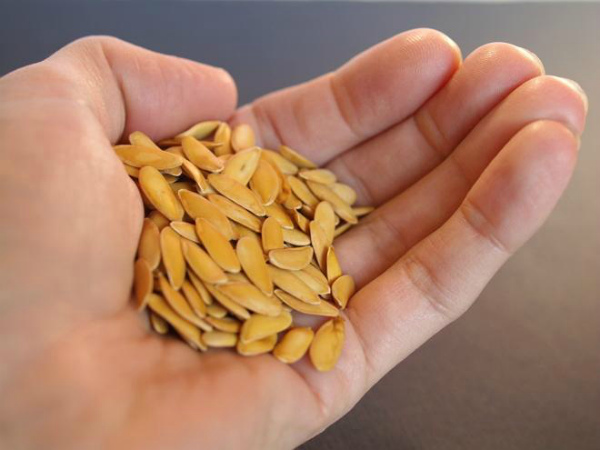
This variety is primarily suited to growing in warm, arid climates. Therefore, it is most often found in the vast expanses of Armenia, Uzbekistan, Kazakhstan, and Kyrgyzstan. The temperatures and soil moisture in these regions allow this variety to be grown directly from the seeds, without pre-preparing the seedlings. To prepare the seeds, soak them in warm water for 24 hours. If you notice any seeds floating to the surface, remove them, as these seeds will not germinate.

Most gardeners note that the snake melon variety is tolerant of soil chemistry, allowing it to be grown in both clay-rich and highly acidic soils. However, this variety is quite demanding when it comes to ambient humidity. It will not tolerate excessive moisture, let alone waterlogged soils. This makes things easier for gardeners, as it reduces the need for frequent watering. However, gardeners who decide to grow snake melon will need to carefully select a site for its cultivation—it should be located away from drains and crops that require frequent watering.
Armenian cucumber is planted in the last ten days of April, when the soil is already sufficiently warmed up.
The soil temperature should be at least 15 degrees Celsius. Plant 2-3 seeds per hole 5 cm deep, then water thoroughly. Since the weather in late April and early May in southern regions is very warm, there's no need to cover the future melon with plastic or protect it in a greenhouse.
The first shoots appear within 6-8 days, and the first weeding should be done within 2 weeks of planting. This is necessary to remove weaker plants. Generally, the Armenian cucumber variety doesn't require any specific care. All that's required is regular weeding (every 2 weeks) and watering. Weeding should be done at a distance of 15 cm from the plant, and watering should be done once a month.
Pinching the shoots or staking the vines is also not necessary. The only thing you should focus on is removing weeds around the melon, as they interfere with root development and create unnecessary shade for the future fruit. Snake melon is a mid-season variety that will delight you with juicy and sweet fruits in just 60–70 days.
Video: Growing Melons
In this video you will hear useful tips on growing melons.