
Growing melons outdoors in Siberia
However, there's no need to worry. If you choose the right variety and care for it, you'll be the proud owner of your own melon harvest. You don't even need to build a greenhouse to ensure your future melons have a rich flavor and large size. Growing melons in open ground in Siberia is a feasible task for any gardener. Let's look at how to grow melons in the north.
Content
Selecting and preparing the soil
There are two ways to grow melons outdoors: from seedlings and directly from seeds. If you live in northern Siberia, which is known for its cold temperatures, it's best to plant from seedlings.
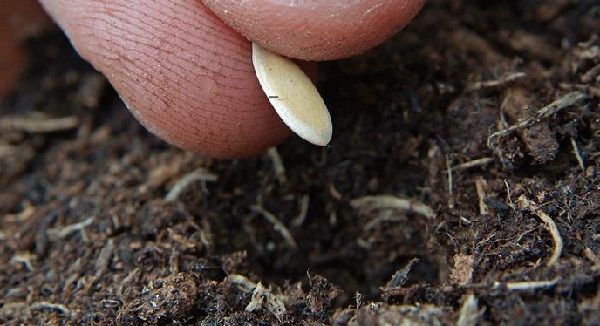
Once you've decided to plant melons from seeds, decide on your soil. Melons aren't picky about soil acidity, but they prefer light, nutritious soils. Before planting, dig up the intended plot of land, mixing the soil with peat moss and humus. Clay soils are unfavorable for melons, so add sand if necessary. This type of soil is suitable for both growing melons from seeds and planting future seedlings.
If you decide to use seedlings, you'll need to prepare some soil for the peat pots where you'll sow the seeds. To do this, mix a small amount of soil with peat, wood ash, and sand, then warm the soil indoors to a temperature of 25 degrees Celsius.
Preparing the seeds
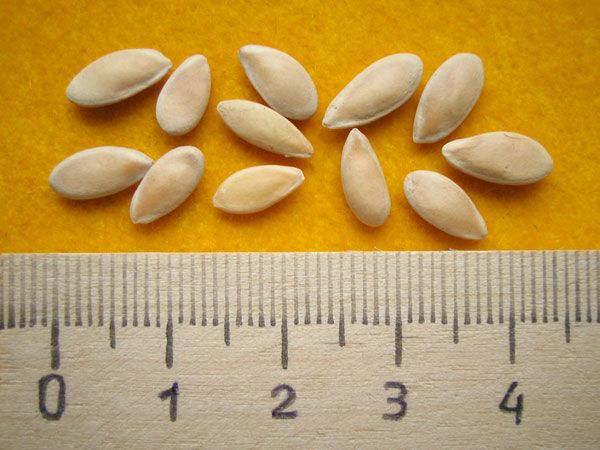
Once the soil is prepared, you need to choose the variety to sow. Gardeners who shared their experiences note that the best melon varieties for Siberia are Medovaya Skazka, Zolotistaya, Sibirskaya Medovaya, Altayskaya, and Cinderella. Each of these varieties is quite frost-resistant. Furthermore, for Novosibirsk and the surrounding areas, it's always best to choose melon varieties for seedlings that ripen quickly. After all, the warm days in this region are too short for late-ripening varieties to fully develop.
Usually, seeds that are 2-3 years old are sown.
Once you've selected your seeds, you need to prepare them for planting. To do this, soak the seeds for 20 hours in a solution of water containing boric acid and zinc sulfate. The solution should be at least 23–28 degrees Celsius (73–82 degrees Fahrenheit). This soaking solution is also available pre-prepared at the store. It's also common to plant commercially prepared seeds.
Next, it's a good idea to harden the melon seeds. To do this, soak the soaked seeds briefly in hot water (about 50-60 degrees Celsius), then in room-temperature water, and finally in almost cold water (no more than 9 degrees Celsius). After soaking in cold water, plunge them into ice-cold water for half an hour. This method will perfectly prepare your seeds for possible frost.
Growing seedlings
Sowing seeds for seedlings should begin in mid- to late April, so that they can be planted in the ground by the end of May.
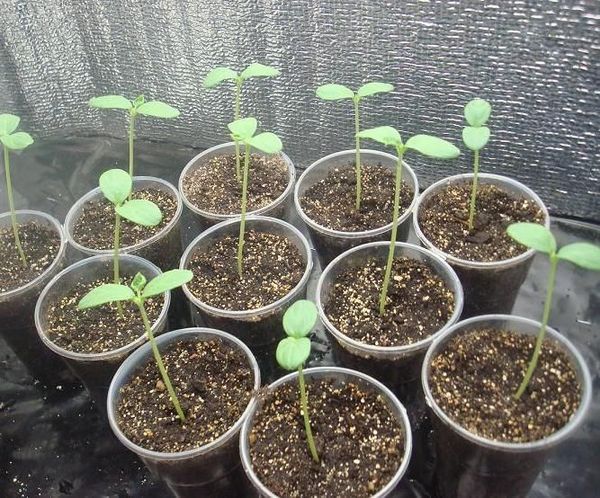
Place the hardened and dried seeds in prepared soil, which should first be distributed among peat pots. Place the seeds shallowly (1–2 cm) in groups of 2–3, then sprinkle with soil, then sand. Afterwards, water and place the future seedlings in a warm, bright location. Water the first time, and subsequently, with warm water mixed with baking soda, once a week.
Additionally, seedlings require feeding and weeding. Fertilizer should be applied at least three times during the growing season, and weeding should be done once – 15 days after planting, when it's already clear which seedlings are the strongest. Loosen the soil very carefully, as the plant's root system is still very weak.
The seedlings will be ready in 25–30 days, when 3–4 young leaves appear on the sprouts.
We plant in the ground
As mentioned, melons can be grown both in a greenhouse and in the open ground. Of course, in Siberia, melons will grow much faster and more safely in a greenhouse, but if you don't have access to a greenhouse, planting them in the open ground is also acceptable.
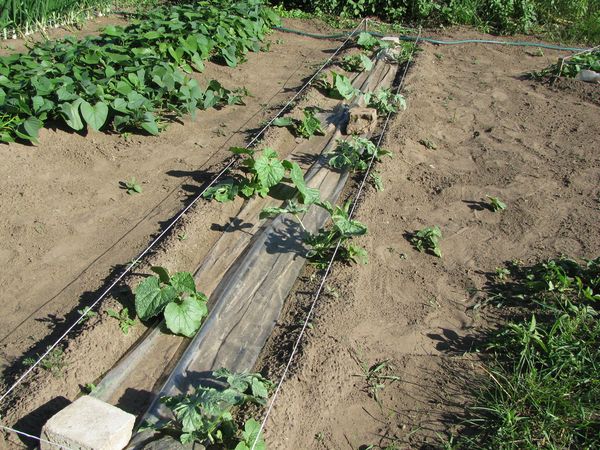
To plant the seedlings, prepare shallow holes spaced 70 cm apart. Before transplanting, weed the soil again, adding a little compost. Also, ensure the soil has warmed to at least 15 degrees Celsius (59 degrees Fahrenheit). Next, carefully place the seedlings in the soil, being careful not to damage the root ball, and water them generously with warm water (77 degrees Fahrenheit). From now on, always use only warm water, watering the melon regularly.
If you decide to sow the seeds directly into open ground, you should do so in late April or early May. Care for the sprouts is the same as for seedlings, but remember to cover the young seedlings with plastic during cold weather.
Further care
Melons aren't susceptible to frost in greenhouses, but if grown outdoors, you'll need to insulate your plant from the Siberian cold. For this purpose, experienced gardeners recommend using wooden boxes or cut-down liter bottles, which you use to cover the sprouts like a dome. Once you notice the melon sprouts have grown strong enough, you should lift the dome for a few hours a day, then remove it completely.
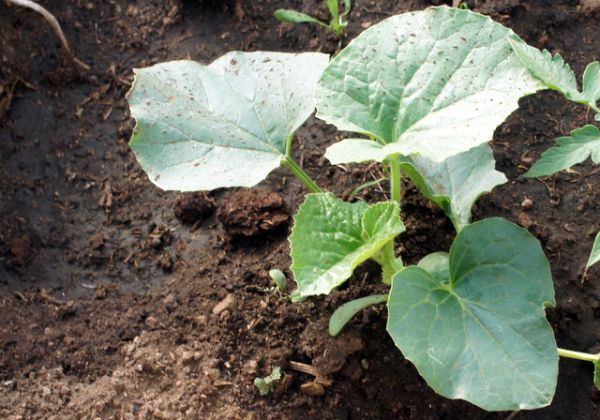
You should begin fertilizing your melon 20 days after transplanting. To do this, use mineral mixtures placed in holes 15 cm apart around the stem. Weeding and loosening the soil should also be done at a distance from the stem and not too deeply, as melons have a very extensive root system.
After the shoots appear, some of them should be pinched, leaving only 2-3 for future fruits.
Growing a melon in the north is a very feasible project that just requires a little attention.
Video: Growing Melons in the Open Ground
This video will teach you how to properly grow melons outdoors.