
Growing and caring for melons in open ground
Content
Necessary conditions for growing
You might think that melons grow best in Crimea or the southern regions, given that the ideal growing conditions are dry and hot weather. However, with advances in breeding and the emergence of varieties that are distinguished by good hardiness (for example, the Agassi F1 melon), this has become a misconception.
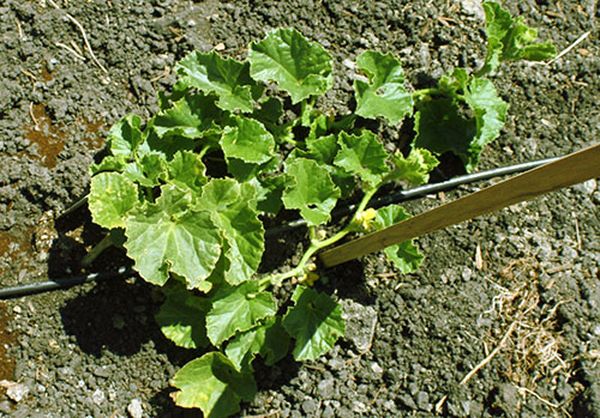
Today, growing melons in open ground is possible in any region of Ukraine. In temperate climates, it is necessary to harden melon seeds before planting them. This is the key to good seed germination. At home, hardening is performed as follows:
- First, you need to soak the seeds in water heated to 30–35 degrees for several hours;
- then we take them out, dry them and leave them to lie at room temperature for a day (about 18–20 degrees);
- then place the container with seeds in a refrigerator with a temperature of 0 to 2 degrees for 18 hours;
- After this, you need to let the seeds sit at room temperature for at least 6 hours.
Seeds hardened in this way can be planted outdoors. However, keep in mind that the soil in the prepared area must warm up to the optimum temperature for melon germination (at least 12–13 degrees Celsius). Therefore, it is recommended to sow the seeds in late April.
Growing and caring for melons outdoors involves a number of important steps, such as watering, staking, loosening the soil, pinching, and fertilizing the sprouts. Let's take a closer look at each of these.
Watering
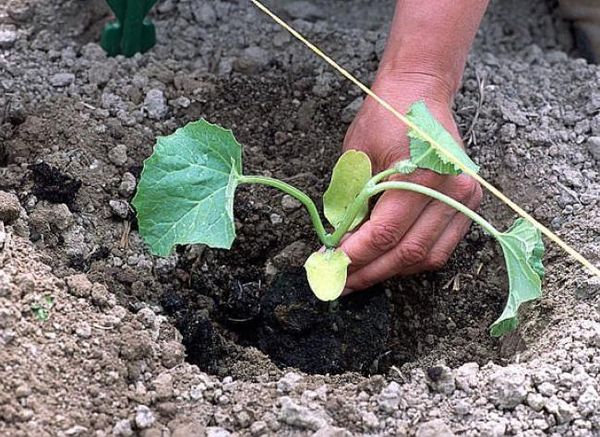
Melons prefer moderate but regular watering. It's recommended to water growing melons once a week or when the top layer of soil has dried out. Incorrect watering can lead to vine and fruit rot. To avoid this, drip irrigation is the best option. As the melons ripen, watering should be gradually discontinued.
If a ripening melon is left in overly wet soil, it can begin to rot. Therefore, gardeners often use trellises when growing melons in their gardens. How do you grow melons on a trellis? First, install a trellis up to 2 meters high in the garden bed. Then, tie the growing shoot with rope, and secure the loose ends to a support. If side shoots appear, treat them in the same way. Staking the melon will save space and protect the fruit from spoilage.
Loosening
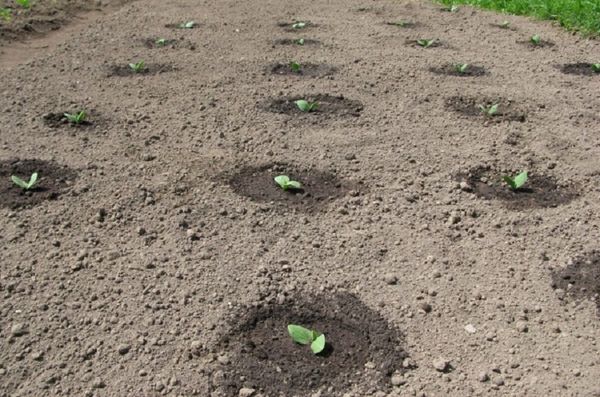
To grow melons outdoors, it's essential to loosen the soil. This should be done carefully, keeping some distance from the stem to avoid damaging the melon seedlings. It should also be done to a depth of 10–12 cm to avoid damaging the roots.
Topping
Proper melon cultivation involves pinching the vines. The first time, as soon as the planted melon grows and becomes stronger, pinch the main stem (above the fourth leaf). This will stimulate the development of side vines. Subsequently, pinch the vines that already have ovaries, but only when the ripening fruits reach the size of a tennis ball. It is also recommended to leave no more than three ovaries per plant, and remove any excess vines without fruit. This ensures that all the plant's energy is devoted to filling the already formed fruits.
Top dressing
Of course, to ensure a good harvest, you need to add fertilizer to the melon soil. After you've sown the seeds and they've sprouted, wait until the first leaves appear. This is when you should apply the first fertilizer containing nitrogen and phosphorus. Subsequently, apply fertilizer every 10-12 days. It's recommended to alternate mineral fertilizers with organic fertilizers. Once the fruit begins to ripen, stop applying fertilizer.
Pest and disease control
We've covered how to grow melons in your garden. Now we'll tell you how to identify diseases or pests that have appeared on your melon and how to combat them.
The most common fungal diseases of melons include powdery mildew and downy mildew.
If you notice whitish spots on the leaves and stems of your melon, this is the first sign of powdery mildew. Over time, these spots turn brown, and the affected leaves and stems dry out. To combat this disease, use 80% sulfur powder. The beds can be treated in several sessions, spaced 20 days apart. However, treatment should be stopped 20 days before harvest.
Downy mildew, also known as downy mildew, appears on leaves as yellow-green spots. In high humidity, a gray-purple coating also forms on the underside of the leaves. To prevent downy mildew, seeds should be disinfected before sowing. To do this, place them in a thermos filled with water heated to 45 degrees Celsius (113 degrees Fahrenheit) for two hours. Then, soak the seeds in a 1% potassium permanganate solution for 20 minutes.
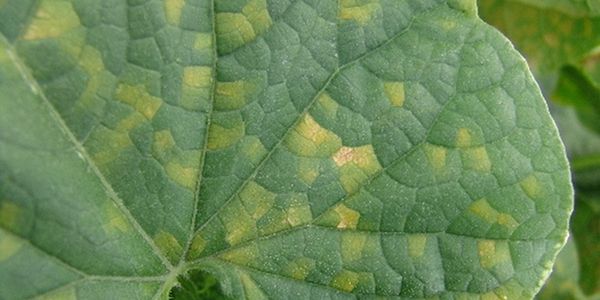
If this measure fails to prevent the disease, at the first signs of downy mildew, the beds should be irrigated with a urea solution. The ratio is 1 g of urea per 1 liter of water. It's worth noting that the Agassi F1 melon variety has good resistance to downy mildew.
The insect pests that most often affect melons are spider mites, melon aphids, cutworms and wireworms. To prevent the proliferation of insects, it is recommended to remove all plant debris and weeds from the garden bed. And in the fall it is necessary to carry out deep digging of the soil.
Gardener's Tips
Experienced gardeners recommend using seeds harvested 2-3 years ago for sowing, as shoots grown from fresh seeds produce male flowers that do not form ovaries.
Now you know how to properly grow melon from seeds and how to care for it at home.
Video: Planting Melons in Open Ground and a Greenhouse
This video will show you how to properly plant melons in open ground and in a greenhouse.