
Secrets of growing the heat-loving Vietnamese melon
Content
Description
The Vietnamese melon belongs to the Cucurbitaceae family. A single plant can produce up to 20 or more fruits per season. Moreover, it tolerates fluctuations in humidity and temperature very well. Such characteristics are rarely found in varieties commonly grown in our gardens.
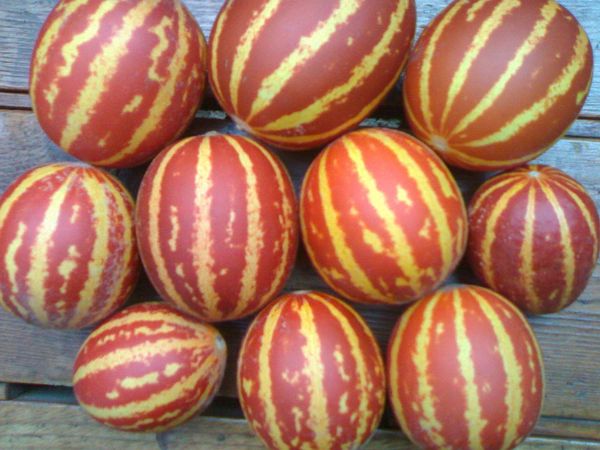
Its fruits have the following description:
- round-oval shape;
- average weight is about 100–200 grams;
- The peel color is bright orange. A characteristic feature is the presence of longitudinal yellow stripes on the peel;
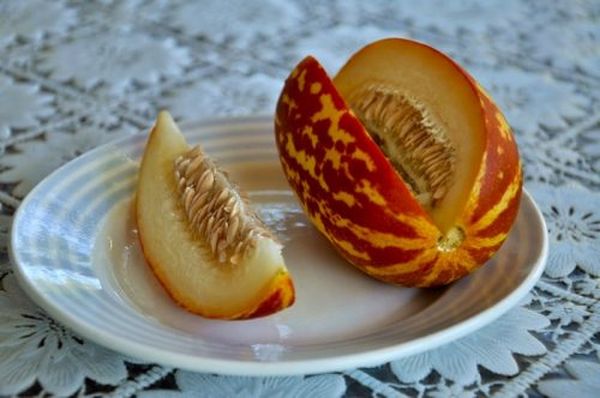
- The flesh is light orange. Some varieties have milky hues. The flesh is very juicy and has a fragrant aroma. It is characterized by a slight oiliness.
Although the fruit's appearance suggests it's an ornamental variety, Vietnamese melons have many fruiting advantages. Therefore, their popularity is growing year after year.
Main characteristics
Vietnamese melon has the following characteristics:
- thermophilic;
- early maturity;
- high commercial qualities that are not lost during transportation;
- high resistance of plants to various parasites and pathogens;
A distinctive feature of this variety of melons is the presence of a rich set of vitamins and beneficial microelements. The pulp of these fruits contains sodium, potassium, chlorine, iron, as well as vitamins A, B, and C. Therefore, this product is often prescribed to people suffering from atherosclerosis, exhaustion, and anemia, as well as those with problems with the gastrointestinal tract and genitourinary system.
Types of melon
Before growing Vietnamese melon, it's important to understand the different varieties. The following varieties are currently the most popular:
- 'Yan Jun' is a mid-season variety characterized by high productivity. The first fruits begin to form 45–65 days after planting. Melons weigh approximately 150–400 grams. They have an excellent taste and pleasant aroma.
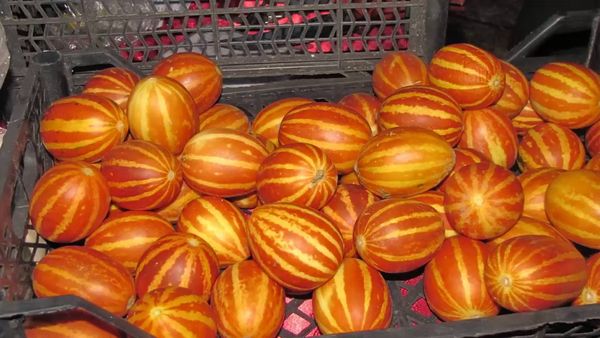
- "Grandfather Ho Chi Minh's Gift." This is the most famous and popular variety. The Vietnamese melon "Grandfather Ho Chi Minh's Gift" is an early-ripening variety. It can be grown in greenhouses or outdoors. It produces fruits weighing approximately 150-200 grams. Due to the unusual appearance of the fruits, this variety is often used as a decorative ornament for fences and arbors.
Gardeners growing these varieties need to know how to properly plant seeds in the ground and care for the bushes throughout the season.
Sowing
Vietnamese melon can be grown both outdoors and in greenhouses. However, regardless of the location chosen, proper seed placement is essential for success. If planting in open ground, select sunny locations. When planting melon seeds in a greenhouse, this condition also requires careful attention. The cultivation techniques for this melon variety are similar to those for greenhouse cucumbers. To ensure successful seed planting, follow these guidelines:
- Before planting, the soil must be fertilized with peat or humus. It is best to apply fertilizer in the fall;
- Seeds should be three years old. One-year-old planting material will produce many male flowers, which will significantly reduce the number of ovaries formed;
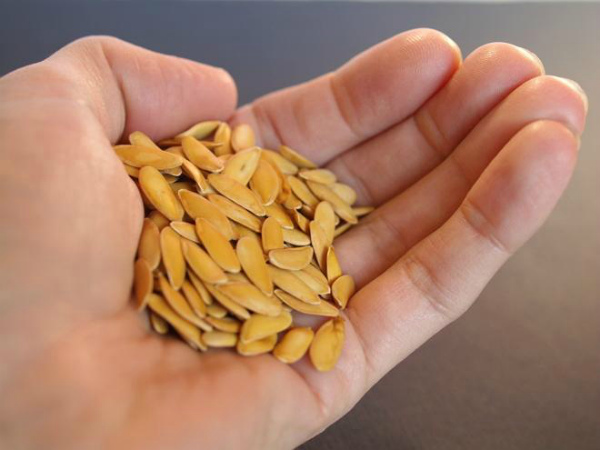
- Before planting, the seeds are hardened off. They are placed in a cool place for 2-3 days. It is also recommended to soak the seeds in water;
- Sowing depth: 2–4 meters. The distance between plants should be 50–70 centimeters;
- For the seeds to germinate, the air temperature must be between 23 and 25 degrees.
It's worth noting that seeds can be sown for seedlings in special peat pots. Once fully formed, they can be transplanted into garden beds or greenhouses.
Features of cultivation
To ensure good fruit production from melon bushes, proper care and adherence to basic growing guidelines are essential. This variety should be planted in the southern regions of the country. The warmer the climate, the sweeter the melons will be.
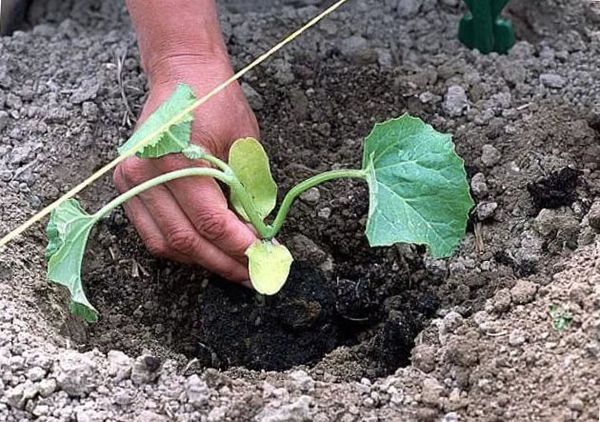
After the true leaves emerge, pinching is performed to form two lateral shoots. When the first ovaries form, side shoots are removed. This is usually done after the third true leaf emerges. Subsequently, bush formation is necessary. Therefore, when the fifth leaf develops, pinching is performed above the third.
The harvest is formed only from female flowers. Smaller specimens should be removed.
Pros and cons
Melon varieties brought from Vietnam have the following advantages:
- simple and familiar agricultural technology;
- high taste characteristics of fruits;
- decorative appearance of melons;
- short growing season;
- abundant harvest;
- resistance to adverse weather conditions;
- fruiting is possible until the first frost;
- high resistance of bushes to many diseases and pests.
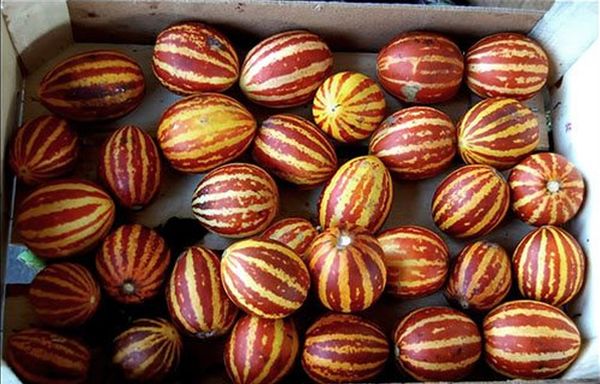
The only downside is the small size of the fruit. Now you know how to grow Vietnamese melon in your garden, as well as the characteristics of the harvested crop. With proper agricultural practices, these varieties can be grown in almost any region of our country.
Video "Vietnamese Melon"
In this video you will get to know the Vietnamese melon variety.