
Characteristics of the juicy Tamanskaya melon variety
Content
Description of the variety
The Tamanskaya variety is prized by many gardeners for its ease of cultivation and excellent fruit flavor. This name is taken from the author's own interpretation. Therefore, in the international classification, Tamanskaya may have a different name. This variety was developed in 2004 at the Research Institute of Vegetable and Potato Farming, located in Krasnodar. The group of breeders includes V.P. Kazakova, L.A. Shevchenko, N.I. Tsybulevsky, and E.M. Kulish.
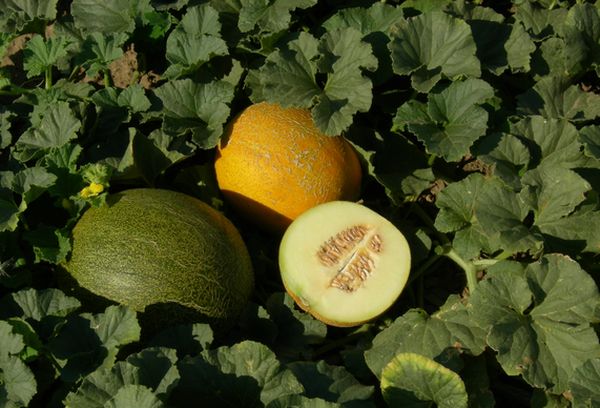
This variety was included in the state register for the North Caucasus region. It is a fairly vining plant. The main stem is medium-length. Medium-sized leaves form on the stems. The leaf blades are slightly dissected and green.
The culture has a large nest. It is characterized by an open structure. The placenta is located on the wall.
The fruits of this variety have the following description:
- oval shape;
- The peel has a smooth, yellow surface. It is covered on top with a medium-density mesh. There is no pattern on the peel;
- The skin is thin when cut and has a creamy tint;
- The flesh is cream-colored or snow-white. It is characterized by medium thickness. The flesh has a tender, grainy, and crumbly texture. When ripe, it becomes very juicy and acquires a honey-like flavor.
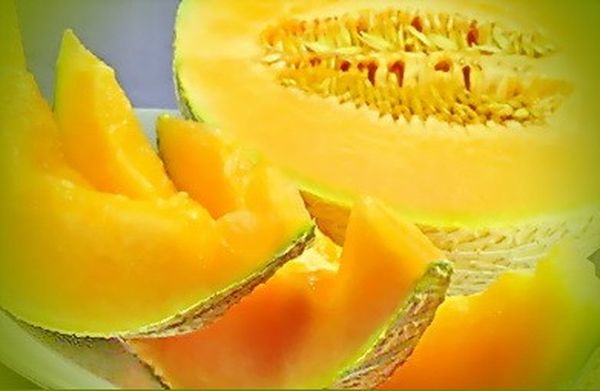
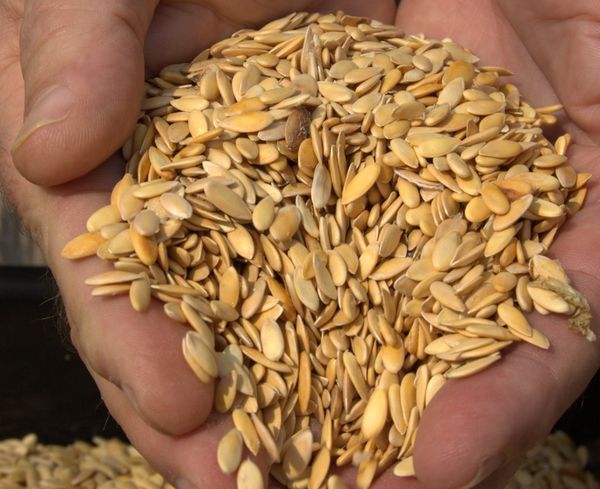
A single melon averages 0.5 to 1.3 kg in weight. This variety is known for its pleasant flavor. The fruits contain approximately 8.1–12.5% dry matter and approximately 5.7–11.2% sugar. Inside the melon are the narrowly oval seeds, which are ivory-colored. One thousand seeds weigh 28 g. A single plant, with proper care, can produce three melons in July, weighing up to 6 kg in total.
Main characteristics
Tamanskaya is widely grown by gardeners across our country in various regions. However, it is most often grown in the southern regions. The variety's popularity is due to the fact that its characteristics include the following points:
- An early-ripening variety. Some experts classify it as an ultra-early variety. Fruit ripening occurs 53–75 days after sowing. Some sources provide different ripening times (53–80 days). These dates mean that the last harvest can be collected 80 days after the start of the growing season.
- melons are used fresh;
- excellent taste characteristics of fruits;
- high commercial qualities;
- good transportability of melons.
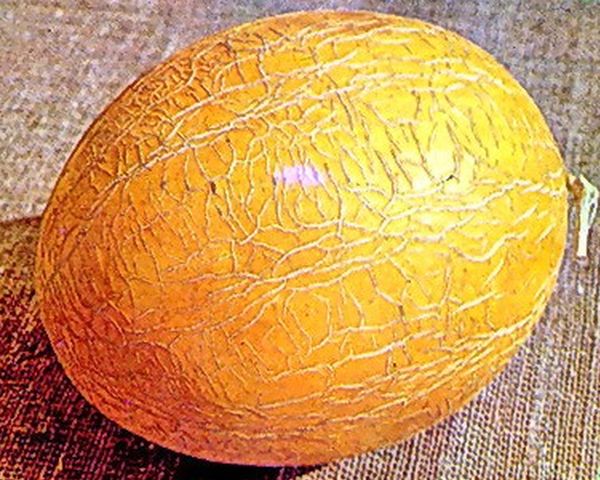
Tamanskaya is known for its high yield. Approximately 169 centners of harvest can be harvested from one hectare. It's worth noting that this variety is highly resistant to most diseases. It is particularly resistant to the most common diseases that affect melons. Today, this variety is widely cultivated in Russia, Ukraine, and Moldova. However, to ensure a bountiful and delicious harvest, it's important to understand the specific cultivation techniques for this variety.
Features of agricultural technology
The key to good fruiting of Tamanskaya is proper agricultural management. This variety can be grown by direct sowing of seeds into the ground. You can also grow seedlings and then transplant them into open ground beds. This crop can also be grown in greenhouses. When planting seedlings, use a 70x150 cm spacing. However, a 70x70 cm planting pattern is also acceptable.
Sow seeds outdoors in mid-May. Sow seeds for seedlings in late April. Transplant the seedlings when they are 30–35 days old. During this period, the shoots develop 3–5 true leaves. When grown outdoors, pinch them back just above the 4–5th leaf. The melon should have 2–3 lateral shoots remaining, which will produce 4–5 fruits.
To prevent melons from spoiling due to contact with the soil, it is necessary to spread a moisture-resistant material on the ground under the plants.
When planting in plastic greenhouses, the bush is trained into a single stem, which is then tied to a trellis. The early-ripening Tamanskaya melon variety is easy to care for. With proper cultivation practices, you can easily obtain a bountiful and delicious melon harvest.
Video: How to Grow a Sweet Melon
By watching this video, you will learn how to grow sweet melon.