
The best melon varieties for growing outdoors
Early
Many farmers prefer to grow early varieties to enjoy the delicious flavor of this fruit by mid-summer. So, let's take a closer look at the best early sweet melon varieties that can be grown outdoors.
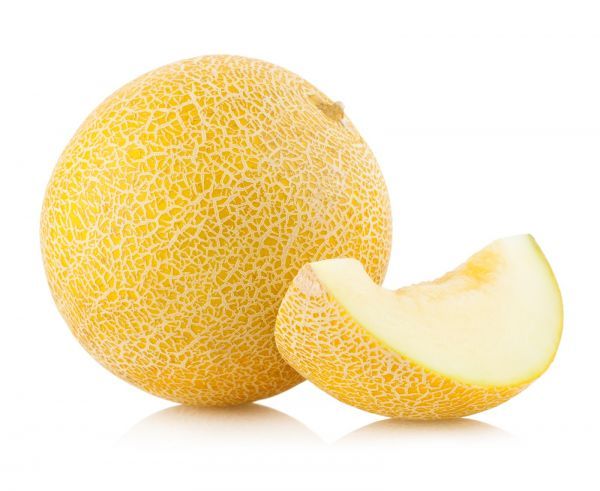
Let's start with the Rannaya 133 variety, which is early maturing (as its name suggests). Within 70 days of germination, you'll be able to enjoy fairly large, ripe fruits (weighing 1.5-2 kg). They are slightly oblong in shape, with a yellow skin that reveals juicy, aromatic white flesh. The fruit has a pleasant, sweet flavor. The plants themselves tolerate drought well, and sunlight doesn't harm them at all, so you can harvest from the entire plot at the same time—they all bear fruit at the same time. It should also be noted that in areas where the summer is cool enough, it is better to grow this plant in greenhouse conditions.
Another early-ripening melon is the Early Sweet. If you plant the seedling in the ground in early April and provide it with the right conditions, you'll be harvesting round, bright yellow fruits by the second half of summer. A distinctive feature of this melon variety is the high content of various sugars in the pulp. This gives it a very mild, sweet flavor, which, combined with the fruit's exceptional juiciness, makes it popular among consumers.
The fruits weigh an average of 2-3 kg, and the skin is very smooth to the touch, with no unevenness or cracks. This melon variety is suitable for outdoor cultivation in almost all regions, although additional measures such as covering with plastic film are sometimes required.
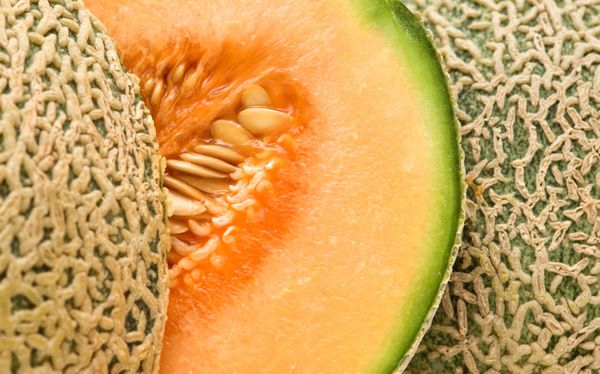
French breeders have done a great job developing a new melon variety, the Charentais. It looks like a small, grayish ball with greenish stripes running lengthwise. The flesh is a beautiful brownish-orange, with a pleasant aroma and delicate flavor. The Charentais is low in calories, so you can enjoy its orange slices without worrying about gaining extra pounds.
Another variety brought from France is Mazin. The melons themselves are elliptical in shape and brownish in color. Mazin possesses several characteristics that have earned it positive reviews from farmers and consumers: the fruits themselves are quite compact (weighing up to 3 kg), can be stored for several weeks after harvest without spoiling, and are also well-suited for transportation.
Unfortunately, French melons are difficult to grow in the local climate, so only experienced farmers who are confident in their abilities undertake this task.
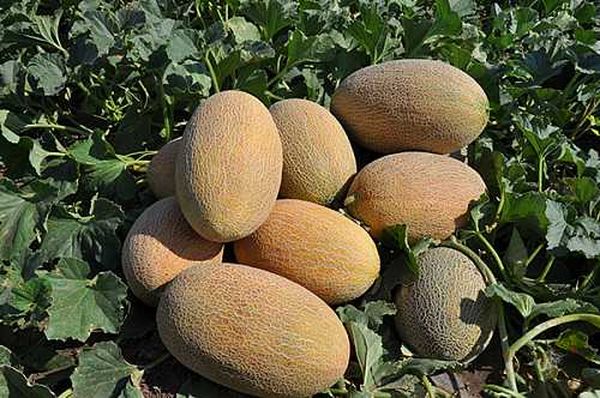
Cinderella is a perfect plant for our region. The fruits ripen within 75 days after the melon seeds are planted. Therefore, in a short time, you can reap a bountiful harvest of small, neat fruits weighing up to 1 kg. Cinderella is highly resistant to a variety of diseases that commonly affect this crop. Its skin is smooth, yellow, and somewhat meshed, and the flesh inside is a pleasant creamy color. Cinderella has a sweet taste due to its high sugar content.
The next variety we'll look at is Marquise. It produces fairly large fruits (1.5-2 kg) with a beautiful golden hue, covered with a coarse mesh. Inside, you'll find soft, very juicy, and tender flesh with a subtle pineapple flavor. Marquise ripens within 70 days from the first shoots, and the yield can reach up to 8 kg. However, growing Marquise requires taking into account numerous nuances, otherwise you won't achieve the desired results.
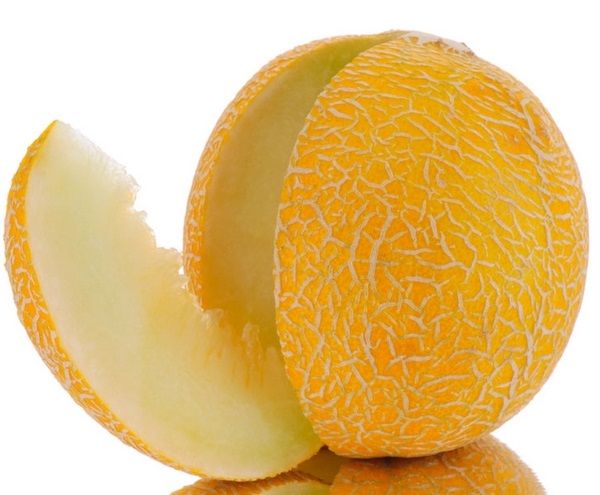
The "Sybarite's Dream" melon variety, brought from faraway Japan, has an unusual appearance: it has a green-striped coloring, the fruits are quite small (only 300-400 g), and the yield is modest – up to 20 of these little ones can be harvested from a single plot. However, it ripens much earlier than other varieties – a harvest can be obtained as early as 50 days after germination (in warm climates). Its flesh is snow-white, with a honey tint. This melon variety is suitable for outdoor cultivation, but only if your plot receives sufficient warmth and light. It is almost impossible to grow in cold climates.
A large melon called Miron reaches maturity within two months. This is considered a record-breaking time for fruits weighing 3-5 kg. They have an elongated, elliptical shape, with a dark yellow skin and a distinct netting. The flesh is white and quite firm. Miron has a significant sugar content—a whopping 13%—giving it a rather sweet flavor.
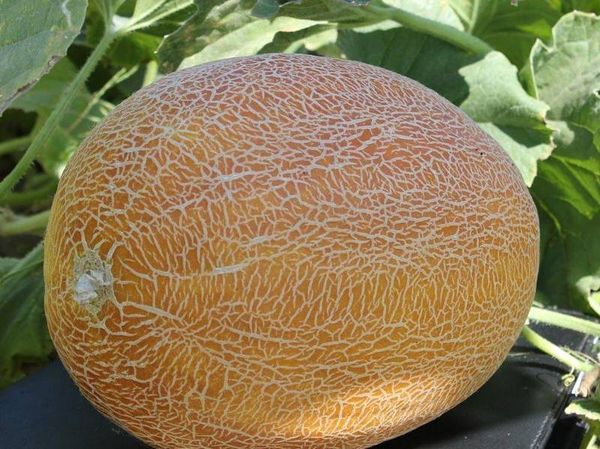
Finally, Dubrovka is a versatile variety characterized by early ripening. The melon is round (sometimes even slightly elongated), with an orange rind partially covered with a mesh. Occasionally, dark orange spots may appear on the fruit, especially during ripening. Dubrovka's flesh is a beautiful snow-white, has a firm consistency, and a delicate, sweet flavor.
The fruits themselves aren't particularly large—they weigh between 0.5 and 1.5 kg—but the yield is quite high. Furthermore, Dubrovka tolerates drought well, so even in a very hot summer, you'll still get an excellent harvest.
Mid-season
These include varieties of melons that ripen in late summer. Unlike their predecessors, they have firmer flesh and a significantly sweeter taste. So, let's get started.
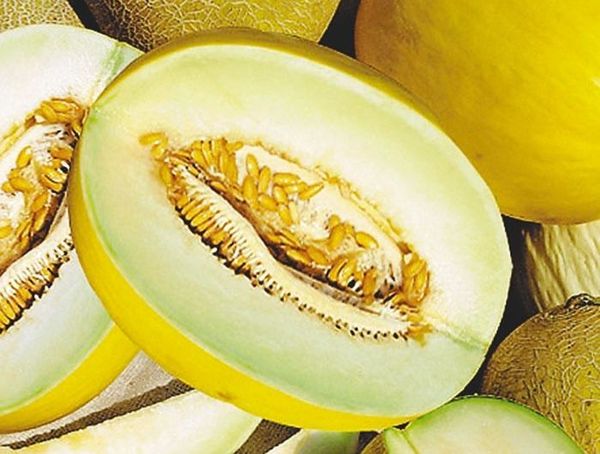
We'll start with the Kolkhoznitsa 753 variety, which takes 90 days to ripen. It produces spherical, medium-sized fruits (1-1.5 kg) that are smooth to the touch, without cracks, and have a distinct net-like texture. The inside is white, unusually juicy, and has a firm texture. It tastes quite sweet. It also has a very strong, pleasant aroma. Under favorable conditions and with good care, this beauty can yield up to 20-22 kg. However, it's worth noting that Kolkhoznitsa has low resistance to diseases such as powdery mildew and anthracnose, which can significantly reduce the quality and quantity of the harvest.
The Ethiopka variety has an interesting shape, ripening in just 80 days. These small plants produce round fruits (sometimes slightly elongated), and under good conditions and care, they can reach a weight of 7 kg. The skin is golden-hued, rough to the touch, and divided into segments (lobes). The Ethiopka's flesh is white, very juicy, and firm. It has a very sweet taste, and can be used to make an excellent melon liqueur. Ethiopka produces a good yield—up to 20 kg per 10 square meters.
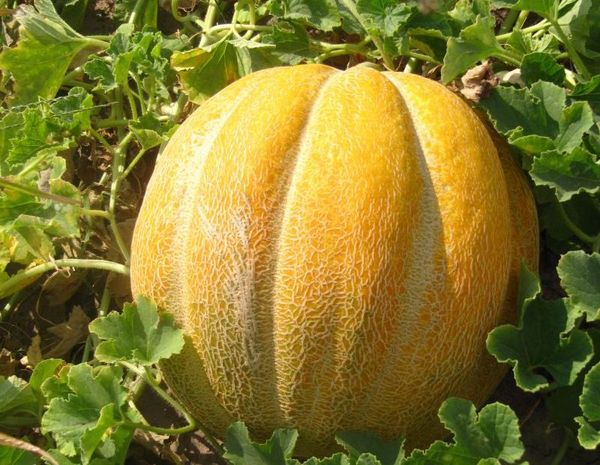
Lada is a variety that takes approximately 85 days to ripen. Lada melons are large, spherical, and can weigh up to 4 kg. The flesh is a beautiful white with a yellowish tint, very juicy, and sweet. Its sweetness is what makes Lada so popular with farmers, as its flesh can be used to make delicious sweets or even candied fruit. Therefore, if you decide to grow this variety, you can always treat yourself to delicious sweets made from this melon.
Let's also say a few words about the "musk melon," of which the Ojen variety is one. It has a round, slightly flattened shape. The rind is yellowish-green, divided into segments by greenish stripes. The flesh has a strong aroma and is very sweet, despite its green color, which may suggest insufficient ripeness. Ojen ripens in 83 days, and its yield is up to 12 kg per ten square meters.
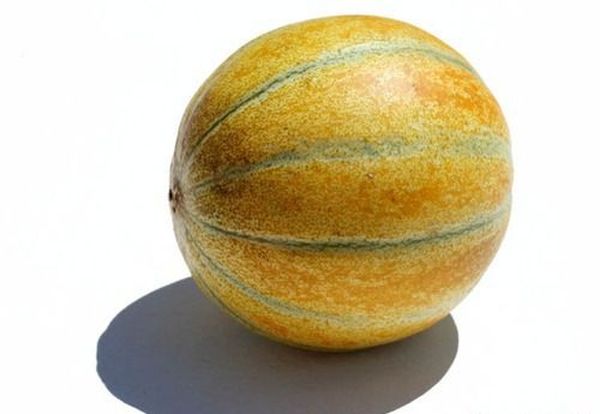
Amal is a melon variety that, after 78 days, will delight you with attractive, neat, oval-shaped fruits. The rind is golden and covered with a fine mesh. The fruits themselves are not particularly large—each can weigh between 1 and 3 kg—but these melons are very sweet. The flesh is a beautiful golden color with a pinkish tint, very juicy, and has a pleasant aroma. Its unusually sweet flavor is what has made this variety so popular, so if you want to treat yourself to a juicy and sweet melon, choose Amal.
Late
Late-ripening varieties include those with the longest growing season and a relatively long ripening period. However, these melons can be stored over winter to enjoy their sweet and delicate flavor during cold weather.
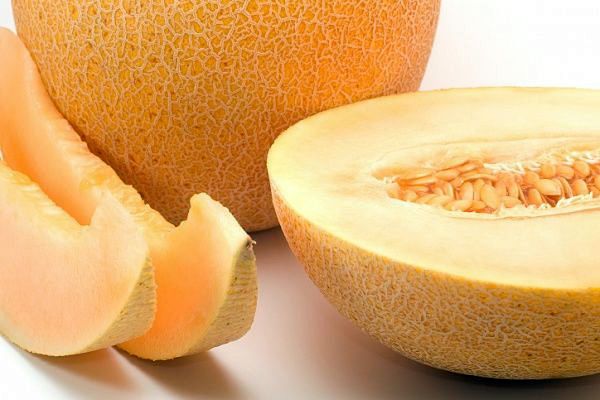
First, we'll describe the late-ripening Ananas melon variety. It requires a long ripening period (95 days). The Ananas fruits are not very large (up to 3 kg) and are neatly oval in shape. The rind has a beautiful golden hue, and the melon's netting is convex. The flesh of this variety is very oily and unusually juicy, with a lingering aroma. As for the taste, it bears some resemblance to pineapple, as the name suggests. They can be stored for two weeks without losing their flavor. They are also highly resistant to various diseases, making it much easier for farmers to care for this crop.
The Zolotistaya melon ripens in 90 days. Its fruits are characterized by a round, slightly elongated shape, with a smooth rind and a beautiful bright orange color. Each melon is small, weighing only one kilogram. The Zolotistaya melon's flesh is very juicy, buttery to the touch, and has a lingering aroma. It has a wonderful sweet flavor that can be enjoyed for three weeks after harvest—that's how long it can be stored.
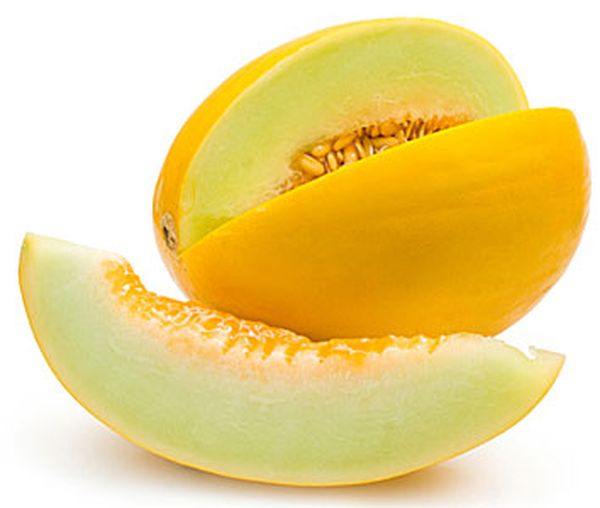
Torpedo is a variety that requires a full 133 days to reward its owner with an excellent harvest. The melons themselves are oblong, stretched, and slightly rounded. The rind is yellow, with fine cracks across the entire surface, which is covered with a mesh. The flesh itself is snow-white, very tender, juicy, and sweet. The aroma intensifies with time after harvest. Torpedo produces good yields, and the melons are large (weighing between 4 and 8 kg). Furthermore, it is highly drought-resistant, so even a dry summer will yield an excellent harvest.
The Gulyabi melon, imported from Central Asia, can be stored in a cool place until spring. It ripens 133 days after the first shoots emerge and produces a respectable yield of up to 14 kg per ten square meters. It is ovoid in shape and substantial in weight (up to 7 kg). The surface is divided into segments and covered with a continuous fine mesh, a dirty yellow color. The flesh is snow-white, very dense, even slightly viscous. The Gulyabi's flavor is unusually sweet, intensifying with storage. This variety is perfect for those who want to enjoy the delicate flavor of a melon during the winter cold.
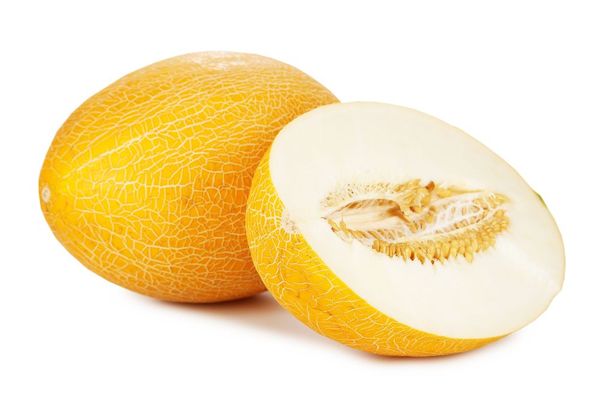
98 days from the moment the first shoots appear – that's how long it takes the Zimovka variety to yield a wonderful harvest. Zimovka's fruits are medium-sized (up to 3 kg), oval-shaped, and have a yellow-green rind that's quite smooth to the touch. It's also covered with a fine-meshed texture. The flesh of a ripe melon is a protective light green, quite firm and juicy. The flavor is pleasant and sweet, developing new qualities some time after harvest.
Zimovka's yield is exceptionally high – even without watering, you can harvest up to 14 kg per 10 square meters (due to its high drought tolerance), and with proper care and watering, the yield can increase to 38 kg! The fruit is also highly resistant to cracking during ripening. Furthermore, they can be stored in a cool place for up to three months without losing any of their excellent flavor. Zimovka also has high resistance to various diseases.
Video: Growing Melons in the Open Ground
This video will teach you how to properly grow melons outdoors.