
A review of the best melon varieties with different ripening times
Content
Description of a sweet dessert
This crop was known several thousand years ago in ancient Persia and Egypt. It appeared in Russia in the 16th century. Under Tsar Peter the Great, it was grown in special greenhouses.
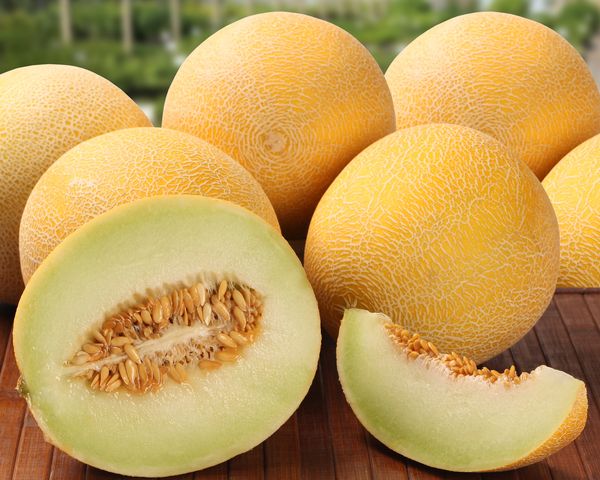
This delicacy has the following composition:
- water;
- proteins;
- carbohydrates;
- fiber;
- pectin;
- vitamins A, B1, B2, B3, B9, C, E;
- potassium;
- calcium;
- magnesium;
- sodium;
- phosphorus;
- iron;
- iodine;
- manganese;
- copper;
- fluorine.
Doctors recommend eating dishes made from the fruits of this plant while losing weight. They help remove excess fluid from the body and are even a good remedy for cellulite. They strengthen the immune system and normalize the menstrual cycle.
However, diabetics and people with gastrointestinal diseases are advised not to consume this delicacy.
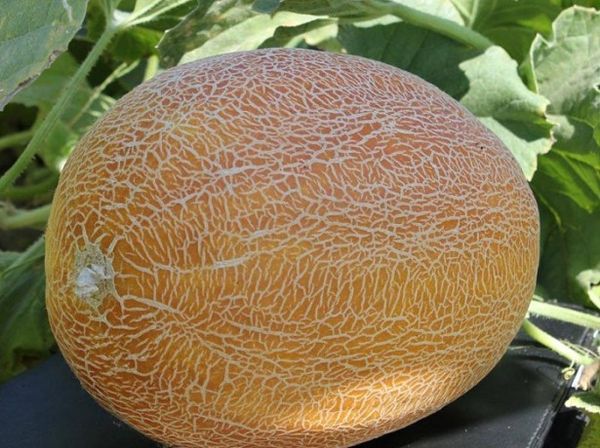
Any sweet tooth eagerly awaits summer to finally taste the delicious fruit—the first melon harvest. Adored by both adults and children, this sunny delicacy has a variety of characteristics. This depends on the variety you choose. It could be the elliptical, yellow-fleshed Snezhok F1, the round Dubovka with its orange, mesh-like rind, or the Sweet Miracle. The name of this variety and this melon speaks for itself.
Growing this fruit isn't easy: the plant is susceptible to a variety of diseases and pests and is sensitive to temperature fluctuations. Cultivation begins with choosing the right location: a warm, windless area with fertile soil will produce successful results. Early soil feeding with organic, potassium, and phosphate fertilizers is recommended. It's best to purchase Dutch melon seeds and plant them in peat pots as seedlings, but a high-quality and lush harvest is guaranteed only if you choose a melon variety suited to the climate of the planting site.
Much has been written about the different types of melons. But we decided it would be better to break it down and present the best varieties, dividing them into groups based on ripening time.
Early varieties
The first type is the most popular. Early melon varieties are those with a sixty-five-day period from cotyledon emergence to harvest. These plants thrive in areas with short, cool summers. They are ideal for wholesalers. Growing them is inexpensive due to their early maturity.
Early ripening varieties include dwarf and standard varieties: Titovka melon (the most popular variety among gardeners), Roksolana melon, Ambrosia melon, Ignazio melon, Dina melon, Cinderella, Assol, Altai, Scythian Gold, Raymond, Delano, Bijur and others.
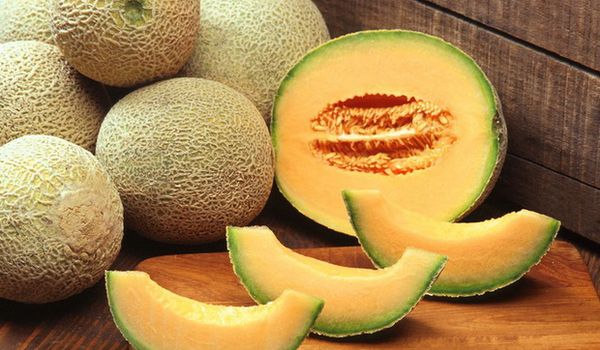
Early melons include a whole genus—the Galia melon. Don't confuse melon types and varieties. This genus encompasses varieties with similar characteristics: super-early, bright yellow like bananas, round, and small. This melon originates from India, but is believed to have originated in Israel. A Galia melon cultivar also exists. The flesh is greenish-white and crisp.
Raymond prefers warm, sunny locations. When planted from seedlings, the fruits ripen in a month and a half; when sown directly into the ground, they ripen in 60–65 days. Raymond F1 is renowned for its large, perfectly oblong pumpkins. The skin has a bright yellow mesh color, is ribbed to the touch, and is firm. The interior of a ripe dessert vegetable is relatively not very juicy, with a honeyed flavor. The seed chamber occupies a very small percentage of the surface area. The plant is short, with a robust root system. With favorable weather conditions and proper agronomic management, the crop produces five fruits.
Scythian Gold ripens in up to eighty days. It performs best in greenhouses. The fruits are round, yellow, mesh-like, and small (1–1.5 kg). Cultivation begins in early May using seedlings. Outdoors, they are planted in a 70 x 150 cm pattern.
Delano is an early-ripening variety with abundant fruiting. The fruits are elliptical, net-shaped, weighing up to 6 kg, and sunny in color. The flesh is snow-white, fiberless, with a small seed chamber. It has a very strong, distinctive aroma. A plant produces up to four fruits, while the recommended seeding rate per hectare is 6,000–8,000 seeds.
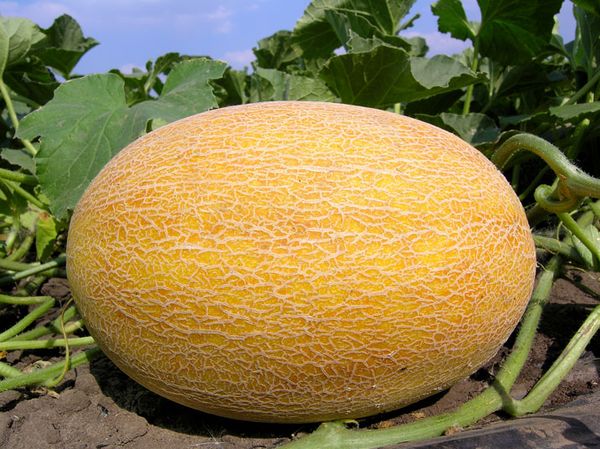
The fruits are resistant to diseases and weather fluctuations. They are very attractive and transport well.
Ignazio F1 is a highly productive hybrid. A single plant produces numerous fruits. Its massive foliage protects the fruit from sunlight. The fruits themselves are elliptical, weighing up to 5 kg, and have a hard skin. The snow-white, fleshy interior remains the same during storage as when picked. It keeps for several months.
Roksolana F1 is an early-ripening hybrid belonging to the above-mentioned species. It ripens in about sixty-five days. Its massive foliage prevents sunburn. The flesh is cream-colored, and the skin is light yellow. It requires a well-lit location. Care includes pinching, watering, and fertilizing.
Assol is an Altai variety. The fruits weigh approximately 1,000 grams. The skin is dirty yellow with green stripes. The interior is grainy, tender, and juicy.
Winter melon (kassaba) is an early-ripening plant that produces medium-sized, spherical fruits. The rind is golden or creamy. A distinctive feature of kassaba melon is its excellent transportability and enhanced flavor during winter storage.
Melon varieties of the Pineapple type are also early-ripening. The Oksana F1 melon belongs to this type. It is a hybrid that is resistant to fusarium wilt and powdery mildew and is easy to grow. The striped melon is also considered a pineapple variety.
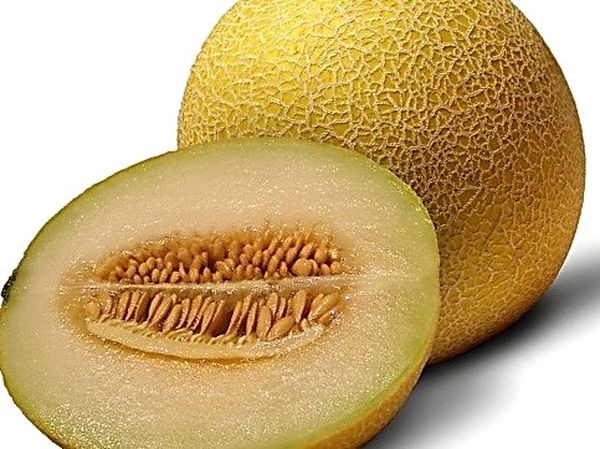
Bijur is a very early, high-yielding hybrid of the "Pineapple" variety. It ripens within seventy days and has a robust foliage system. It has an oval or oval-elongated shape. The fruit weighs between 2 and 3 kg. The interior is very juicy and sweet. The fruit has a honey-like flavor, making it suitable even for baby food.
The Goldie melon is a pineapple-type hybrid known for its high yield, honeyed flavor, and disease resistance. The average mature plant weighs 3.5 kg.
The Lychee F1 honeydew melon is one of the earliest melons to ripen, reaching maturity in about thirty-five days. Why is it so appealing to growers? Because its skin isn't yellow, pink, or even orange, but white, like a daisy.
The Golpri Gold melon has the following description: a single plant produces 2-3 fruits, averaging 3,000 g. Golpri Gold F1 has orange skin and creamy-soft flesh. It is distinguished by its heat resistance.
Mid-season varieties
The following melons are considered mid-early: Don Quixote, Primal, Anzer, Cappuccino, Northern Star, Anna Max, Jumbo, Chogare, Assate, Solnechnoye Delokomstvo, Hermius, and Luna. Their ripening period is neither early nor mid-season, and is seventy days.
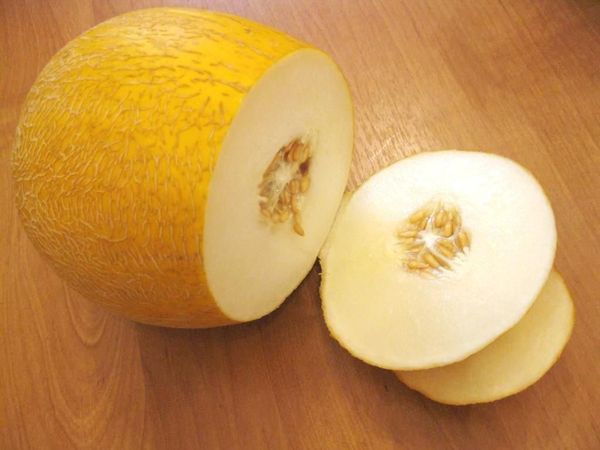
The fruits are spherical, with a creamy-yellow skin with a wide mesh. They average 1.5 kg in weight. The interior is firm, sweet, and pleasantly flavorful. Ten thousand seeds are sown per hectare. The hybrid is resistant to stress, fusarium, and other melon diseases. The fruits are easy to transport and store.
Jumbo ripens in 90-100 days from sowing. It produces a good harvest when grown in greenhouses. The plant is vigorous and vining. The fruits are elongated, elliptical, weighing up to two kilograms, depending on proper cultivation practices. The skin is mesh-like, with distinct segments, creamy yellow with a slight green tint. The interior is orange. This dessert vegetable has excellent flavor, a fibrous structure, and is resistant to a number of common diseases.
Sowing: in late April, sow in peat pots at 25-30 degrees Celsius. Transplant into a greenhouse when four true leaves appear, and then into fertile soil.
Care includes pinching, regular but moderate watering, and fertilizing with complex fertilizers. The harvest is ready in late summer.
Don Quixote F1 is a mid-season hybrid with oblong fruits weighing approximately 5 kg. The skin is green with a distinct netting. The interior is white and soft, sweet, and sugary. The fruits have a shelf life of almost ninety days.
The hybrid was bred in such a way that it is resistant to fusarium and powdery mildew.
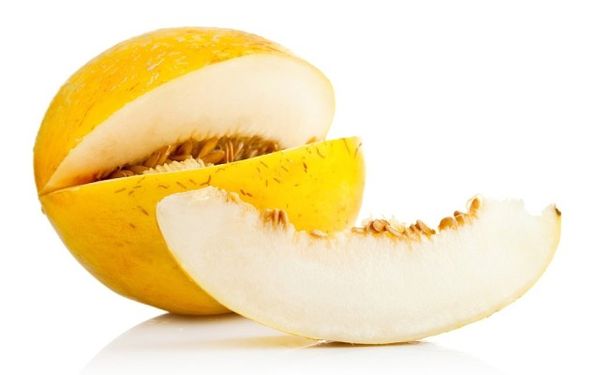
The Kamar melon produces round, elongated, reticulated fruits with a very small seed chamber. Its distinguishing feature is its high resistance to Fusarium wilt.
The Chudo-Yudo melon is a mid-early variety with round fruits weighing up to 2.5 kg. While its name doesn't inspire confidence, the fruits are actually very attractive and sweet.
Mid-season popular varieties: Marquise melon, Sladkoezhka melon, Bereginya, Dzhukar.
The Blondie melon is recognizable by its distinctive stripes on its white skin. It's best to start growing this variety in April. Its fruits are the smallest of all white melons, weighing around 600–700 g.
The Ethiopian variety matures in eighty days. The plant is not very spreading. The leaves are heart-shaped, and the fruits are round, light yellow, and clearly segmented. The inside is white and firm.
Amal F1 is the most popular mid-season variety. It takes an average of seventy-nine days from germination to fruiting. The fruit is very presentable and appealing to consumers. It is light golden, oval, and mesh-shaped. The flesh is tender, melt-in-the-mouth, yellow with a pinkish tint. It transports well for about a month. This variety makes excellent candied fruit and marmalade.
The Crème Brûlée melon is a mid-season, long-vine variety. The fruits are oval, smooth, and yellow-orange, like cauliflower.
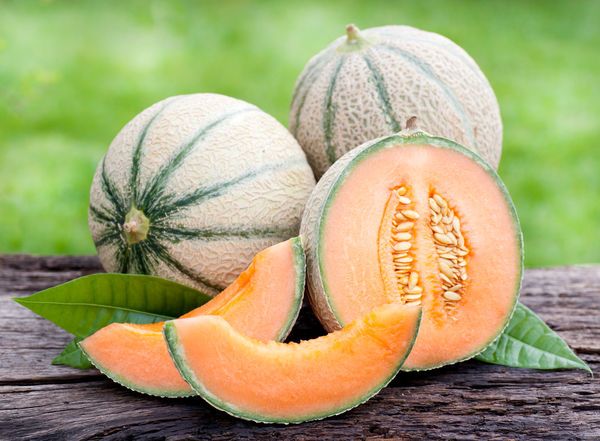
The Neobychaynaya F1 melon is truly an exotic variety, as it resembles a pumpkin. It's usually grown under plastic (less commonly in open ground). The flesh is buttery, very juicy, and fragrant.
Late varieties
Late-ripening melons are the most popular among gardeners. Everyone has probably heard of varieties such as Princess Maria, Sugar Powder, Emerald, Torpedo, and Gulyabi.
Princess Maria is known among gardeners for its good germination, balanced flavor, and unusual color. This late-ripening hybrid produces spherical, gray-green fruits with a whitish net. They grow to a weight of 1.3–1.5 kg. The flesh is deep orange, juicy, and sweet, with a muscat aroma. A distinctive feature of this hybrid is its resistance to bacterial and viral diseases.
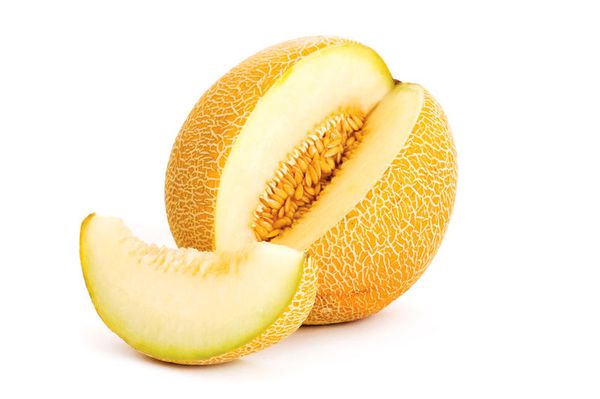
It is cold-hardy, has a wonderful aroma, and is suitable for storage. In cold climates, this hybrid is grown under plastic in a greenhouse. Care includes pinching the shoots. Watering is stopped 10-15 days before ripening. This variety can be eaten raw and is also suitable for sweets.
The Zimovka melon is a late-ripening variety of the Altai type. Its flesh is emerald-colored and medium-thick. It can weigh up to 2.5 kg. It is easy to transport and retains its sweetness for a long time. Harvesting begins ninety days after harvesting.
Torpedo – this variety takes over 110 days to ripen. This plant is excellent for long-term storage and transportation. The 5–8 kg fruits retain their flavor until early spring. They are elongated in shape, yellowish in color, and covered with a fine mesh. The interior is soft, juicy, and snow-white. A pleasant aroma wafts from the cut.
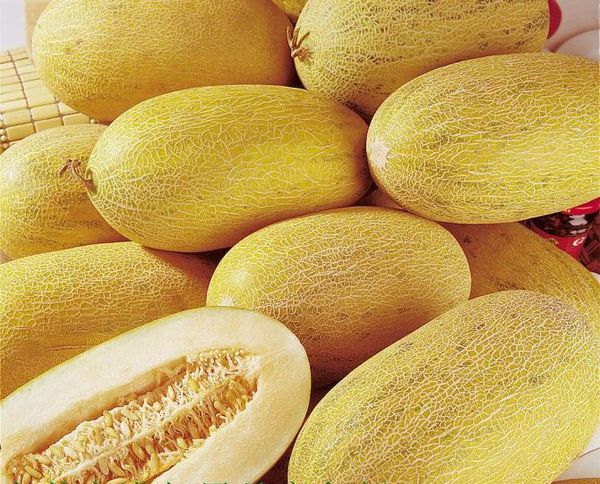
Gulyabi is a sweet Central Asian melon. It ripens in 133 days and yields 15 kg per square meter. The fruits are ovoid, weighing up to 8,000 g. The surface is divided into small, barely visible segments. The fruit is dark yellow in color, with a firm rind.
The Piel de Sapo melon is a late-ripening variety. This variety produces oval, crack-resistant, ribbed fruits weighing up to 2.2 kg. The flesh is snow-white, and the rind is firm and dark green. The Ricura and Mabel varieties belong to this type.
Regardless of the variety, it's susceptible to the same diseases and pests. These include powdery mildew, fusarium wilt, downy mildew, anthracnose, and root rot. Unwelcome guests include melon aphids, wireworms, and spider mites.
You need to be prepared for all these diseases in advance so that the money spent on high-quality seeds is not wasted.
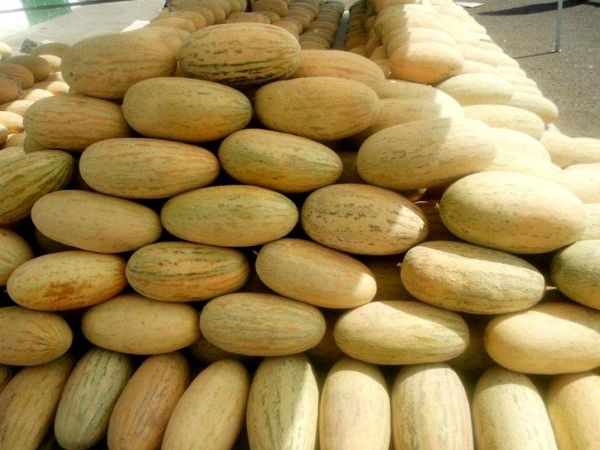
Everyone determines the best melon varieties based on their own criteria. Some want walnut-sized fruits, while others prefer exotic, unusual melons like the Kiwano. Others are concerned about cultivation and try to find the best seeds.
It doesn't matter whether it's bush melons, Turkish orange melons, banana melons, or kiwi melons. The key is to follow all the key growing and care steps. Then, this sweet beauty will delight your family with its aroma and summer flavor and bring in a huge income.
Video: Planting Melons in Open Ground and a Greenhouse
This video will teach you how to plant in open ground and a greenhouse.