
How long can melon be stored and how to extend the shelf life?
Content
Shelf life of different varieties of melon
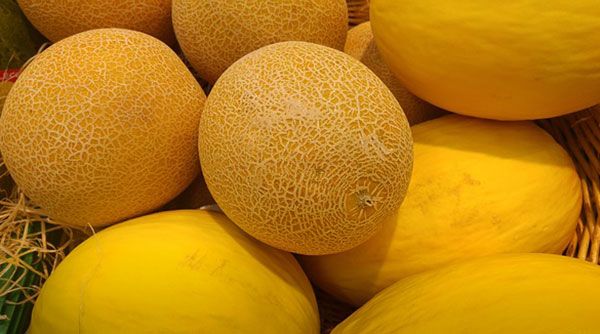
The shelf life of a melon can vary significantly depending on the variety. Therefore, it's natural that the shelf life of an early-ripening melon will differ significantly from that of a late-ripening variety. So, how long does a melon last, depending on its variety?
- An early variety. The fruits retain their appearance and flavor well for up to one month. However, a month is the maximum; the best option is to consume them within two to three weeks.
- A mid-season variety, this melon can be stored for 3-4 months, but it's important to carefully monitor the condition of the fruit and not leave it until the last minute.
- A late-ripening variety, its shelf life can extend from four to six months, but it's best to consume it before the last month. And of course, before eating, carefully check that the melon is actually edible.
It's clear how different the ripening times are for melons and gourds with different maturity dates. However, as already mentioned, don't assume that if a fruit can theoretically be stored for up to six months, you can safely eat it after that period without first inspecting it. Furthermore, the timeframes described are relevant for those melons stored in cellars or basements, as they provide all the necessary temperature conditions.
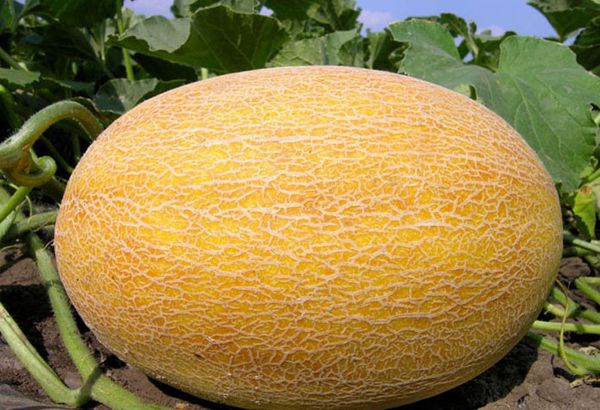
If we're talking about storing in the refrigerator, the answer is clear: even late-ripening specimens can be stored for no longer than a month. Moreover, it is recommended not to abuse time and eat the fruit after 2-3 weeks.
The nuances of storing melons
We've already discussed the differences in storage times for varieties with different ripening periods, but that's not all. Below are some recommendations to help you preserve melons for as long as possible, evoking memories of warm summers during the fall or even winter cold.
- Perhaps the first question worth answering is how long does a cut melon last? Some melons are quite large, and eating a whole one in one sitting can be difficult. So, you can simply cut the melon and refrigerate it. Storing a cut melon in the refrigerator can last for up to 24 hours, but no longer, provided the storage conditions are appropriate. Store the cut melon wrapped in plastic wrap or in a container with a lid.

- How long can you store melon without cellophane or a container? These products can be stored in the refrigerator for a few hours, after which they should be discarded.
- Only whole, undamaged specimens with no signs of rot should be stored. If there's even the slightest dark spot or crack, it's best not to risk it and instead find a use for it as soon as possible.
- The best place to store these melons is in a cool, dark place, typically a cellar or basement.
Under no circumstances should melons be stored in the refrigerator for several months, regardless of the variety.
- Alternatively, you can store the fruit indoors on the balcony. To do this, place them in boxes filled with sand to retain the optimal amount of moisture.
- If you're storing a large quantity of fruit, you must do everything possible to prevent them from touching each other. Therefore, it's recommended not only to place them at a distance from each other, but also to separate them with sawdust or paper.
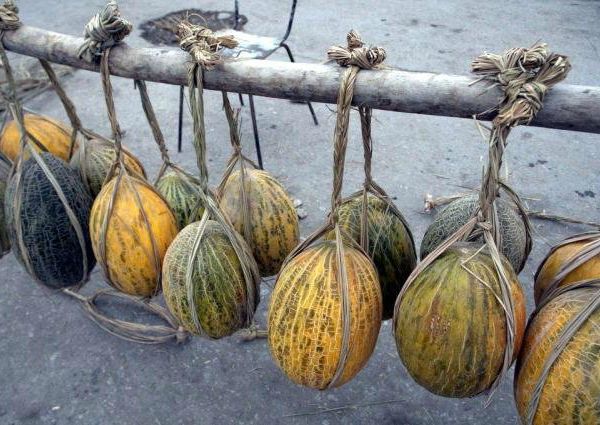
- The best way to store fruit is by hanging it. This is done by placing it in nets (most often) or using other similar structures. It is then stored in a cellar.
- If you're storing the melons normally (not hanging them), it's recommended to avoid contact with hard surfaces. This prevents dents, which can lead to rotting. It's recommended to place your melons on a soft bed of sawdust covered with cloth (or even just on cloth).
- Remember to keep an eye on your melons and don't leave them unchecked for long. Turn them over and inspect them regularly to remove any spoiled produce as needed.
- Try to avoid storing these melons near other fruits and vegetables. Apples and potatoes are considered especially dangerous.
- Never leave the fruit in a place exposed to direct sunlight, or near heaters or other heating devices.
- The box where you store fruits must have holes so that oxygen can enter in the required quantities.
- You can also try freezing the melon to extend its shelf life. This will significantly affect the consistency of the pulp, but will also extend its shelf life.
- If you don't want to bother with freezing, you can dry the melon. It makes a great winter treat.
Video: "Beneficial Properties of Melon"
In this video, Elena Malysheva will talk about the beneficial properties of melon.