
Scheme and rules for forming melons in a greenhouse
Content
Why cultivate a melon in a greenhouse?
The main feature of any greenhouse is the strictly limited space it has. Therefore, training melons in such conditions is a must. Without this procedure, the bushes will bear fruit poorly, and the fruits themselves will be small and tasteless.
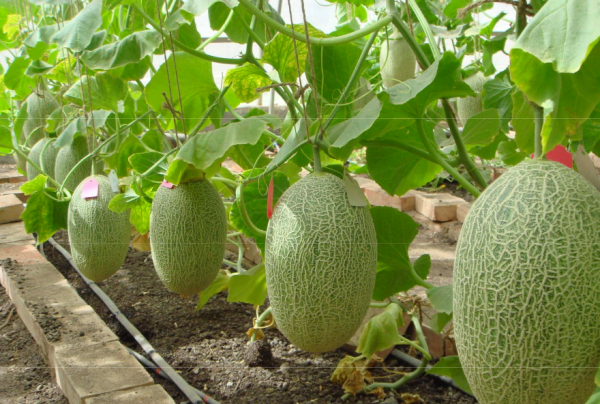
In addition, melons need to be pinched so that the plants occupy a small area. To get a bountiful harvest even in a greenhouse, bushes are tied to special supports.Proper shaping of the melon bushes in a greenhouse will make it much easier to maintain them. This also simplifies the process of harvesting the berries. It's worth noting that shaping should be done not only in a greenhouse but also when planting melons outdoors.
When to tie up a melon
Due to limited space, melons in a greenhouse must be pinched and tied. It's important to know exactly when to remove side shoots from a melon in a greenhouse. The timing of this procedure depends directly on when the melon was planted in your greenhouse. Pinching is usually done 14 days after planting, when the plant has developed two healthy, strong shoots. At this point, two stems are left on the plant, and all other shoots are pruned. The remaining shoots should be suspended on a trellis. It's important to note that tying melons should be done carefully to avoid damaging the ovaries and flowers.
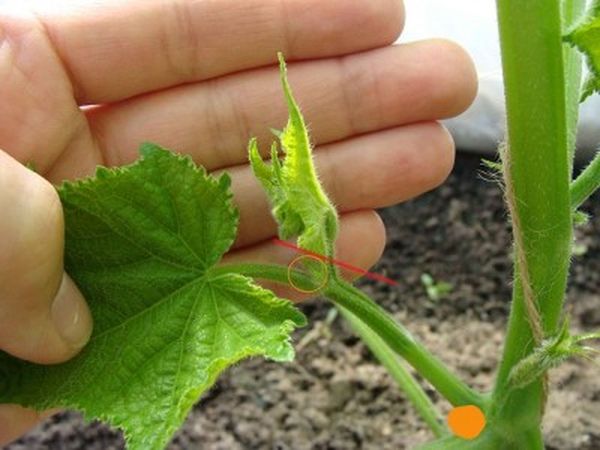
When the plant has produced a large number of ovaries, they are picked off. Two to three ovaries should be left on the bush. A properly formed plant will take up minimal space in the greenhouse while producing several fruits.
Basic rules of formation
Melon cultivation in a greenhouse follows a specific pattern. It's important to know not only how to properly pinch and tie the plant, but also the conditions under which the crop should be grown in the greenhouse. Otherwise, timing this procedure can be difficult.
The following growing conditions must be met in a greenhouse:
- temperature in the range of +19–25 degrees;
- Regular ventilation. Sometimes, natural pollination (using insects) is possible in a greenhouse. However, melon pollination in such conditions is often done manually;
- good lighting.
To achieve these conditions, the greenhouse can be covered with greenhouse film or lined with a special material (such as polycarbonate). It's best to grow melons in a polycarbonate greenhouse. To ensure sufficient development within two weeks, the melon plants are fed with a mullein solution (1:6 to water ratio), a superphosphate solution (20–25 g per 10 l), and moderate watering. This same care can also be applied to an open garden bed.
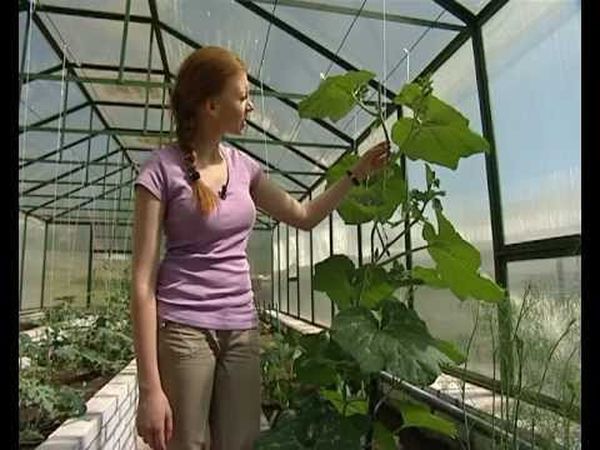
The scheme for the formation of melons in a greenhouse is as follows:
- the first time pinching is performed at the stage of formation of the 3rd leaf;
- The second time, it's done when the remaining two vines have developed second- or third-order shoots. These should bear 5-6 leaves. This time, the top is pinched. This stimulates fruit formation and ripening.
As a result of bush formation, several ovaries remain on the bush. If the timing is delayed, the melon will yield a significantly smaller harvest. Therefore, it is important to follow all the rules for bush formation. These rules are the same for all regions of the country. However, depending on the climate zone (Siberia, southern regions, etc.), certain nuances may arise.
Rules for shaping melons:
- The top is removed with fingers. Stepchildren can also be removed in this way;
- for the first time, male flowers should be kept on the stem;
- Only the strongest shoots are left and hung from the trellis.
As you can see, these rules are easy to follow. If you pinch the stems correctly, the plant will form a large fruit. If you follow the above rules, even a novice gardener can properly shape this plant.
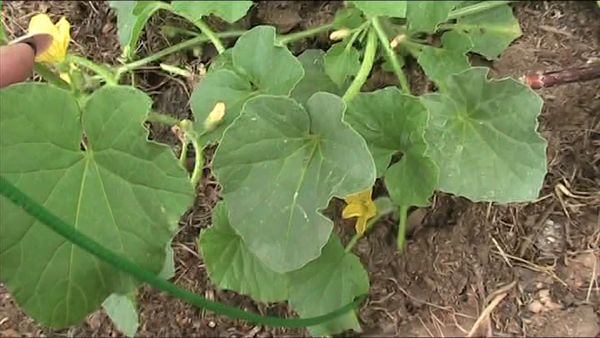
Growing this crop in a greenhouse requires specific care for the pinched bushes. This includes moderate watering and the application of mineral fertilizers. Pollination must be done manually. If the melon in the polycarbonate greenhouse is frequently ventilated, bees may also contribute to pollination.
When forming bushes, remember that the plant should ultimately have two well-developed shoots.
They are suspended approximately 30 cm above the soil surface. All side stems are cut off, leaving only a couple of particularly strong and developed shoots.
Gardener's tips
Melons grown in a greenhouse or open-air garden require specific care. To ensure maximum care, it's important to follow the advice of experienced gardeners. For example, avoid planting melons with cucumbers, tomatoes, and peppers, as these crops require different growing conditions. Melons develop at a specific time. They are pollinated with a brush—this manual pollination is used when natural pollinators cannot reach the plants.
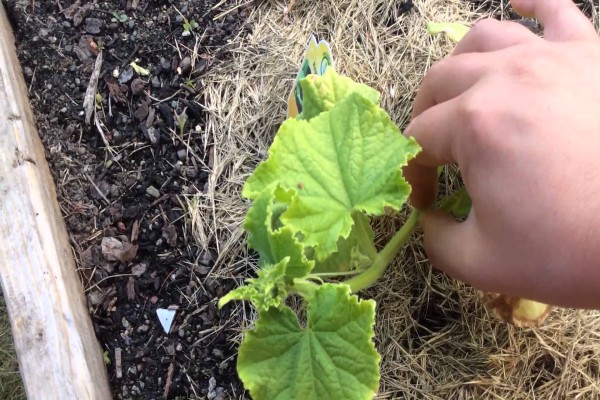
It's important that the fruit doesn't touch the ground while suspended. Typically, pinched bushes are tied up 7-10 days after the fruit reaches apple size. As we can see, shaping this crop in a greenhouse is a simple process. It follows the same pattern, both in Siberia and elsewhere in the country. The key is to thoroughly care for the plants after pinching. Proper care and timely pinching not only ensure a good yield but also reduce the risk of pests and diseases.
Video: Melon Formation
This video will show you how to properly shape a melon.