
How to prepare melon seedlings at home
Content
When to plant
The question of "when to plant melon seedlings" has long troubled all gardeners. Due to the diversity of varieties, sowing times can vary widely. The timing of planting seedlings varies not only depending on the variety of seeds. For example, in the central part of the country, melon seedlings are often grown later than in southern regions. Before planting seedlings in the ground, melon seeds should be germinated. This process takes a month. Planting seeds in advance will help you determine the timing of transplanting melon seedlings into the open ground.
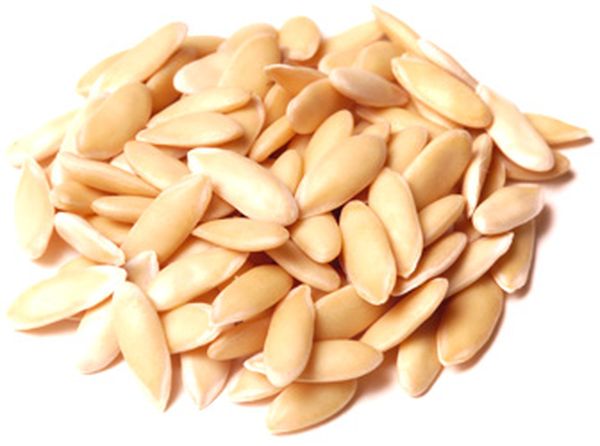
Since this is a heat-loving crop, it should be planted after the frost has passed. The weather should be warm and the soil sufficiently warmed to allow the plants to stretch and establish themselves better. As a rule, it is recommended to plant seeds in greenhouses in April, and transplant seedlings into the ground in May. Unlike the Central Belt, southerners can plant melons a month earlier.
Selection and preparation of seeds
How to grow melon seedlings? The lion's share of success lies in the correct selection and preparation of seeds. Incorrectly selected planting material may fail to germinate or yield a satisfactory harvest. It's important to pay attention not only to the variety's taste but also to its resistance.
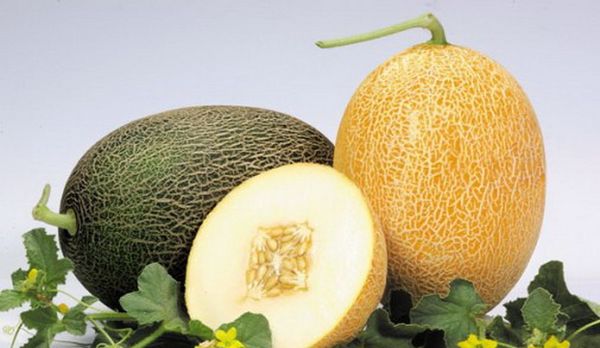
When choosing a variety to plant, you need to know the climate conditions in your area. In the temperate zone, you can grow melon seedlings from varieties that tolerate our climate. Among these, the most popular are varieties such as Karamel and Cinderella. Disease-free plants are essential for planting. For example, some unscrupulous growers may allow seeds to become contaminated with various organisms.
There are several guidelines to follow when selecting seeds for this crop. First, the seeds should be a normal size, typical for the variety. Second, make sure they are free of black spots or grooves. Third, healthy seeds have a certain weight—their standard is usually a fairly clear indicator of the variety. By following these tips, you'll select the best candidates for planting.
How to properly prepare melon seeds before planting? Soaking melon seeds is currently the most popular method. Don't forget to disinfect the planting material. Why is this necessary? Because various diseases can often develop from the seeds when they are sown in the ground. This procedure is carried out using a solution of alcohol or potassium permanganate.
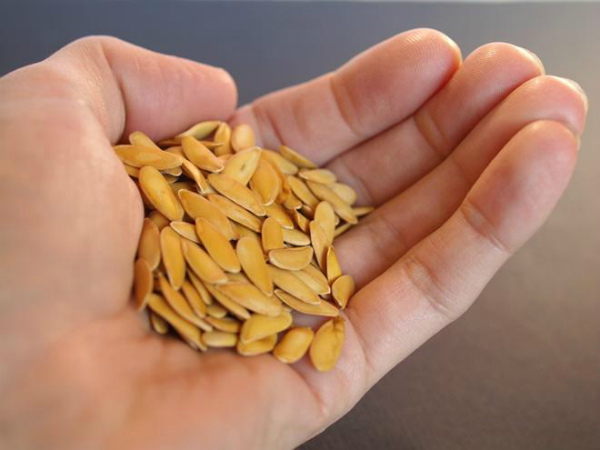
The seeds should be soaked for 25 minutes and then rinsed. You can soak them longer using alcohol. Then, a day before planting, transfer the seeds to damp cheesecloth with water and growth stimulants. When growing the crop in temperate climates, be sure to harden it off.
Selection and preparation of soil
Seed germination is often done in humid chambers, allowing the seed to be transplanted into the soil after it's fully grown. A few days after soaking, the melon sprouts, and it's time to consider choosing the right soil for sowing. To prepare the soil, mix equal parts humus, turf, and peat. Sand and peat are also added.
Before planting seeds in the soil, it is recommended to disinfect it. This can be done by roasting or treating.
Sowing seeds
How do you plant a melon? How deep should you plant the seeds? How can you avoid damaging them during germination? Let's find out.
After soaking the seeds in the solutions described above, sow them in the soil previously transferred to cups or other containers. Now we sow the seeds themselves. The future seedlings should be planted at a depth of 1.5-2 cm. After planting, water the soil to prevent it from drying out. Some sow already sprouted plants in the soil.
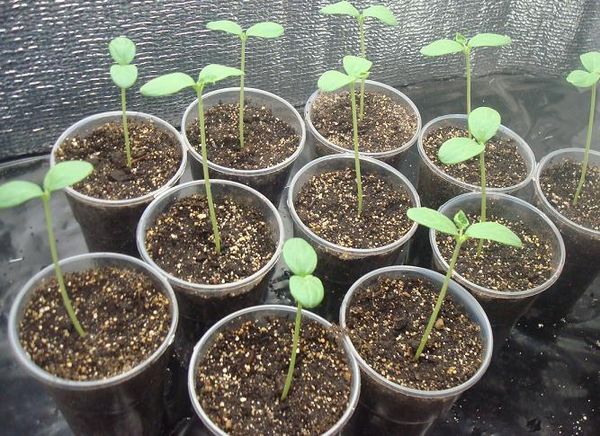
Cover the container with plastic wrap to maintain the required humidity and move it to a warm location. It's a good idea to keep the seedlings away from other houseplants. Under optimal conditions, your melons will sprout as early as five days later. After this, the cups containing the sprouted melons should be moved to a well-lit and warm location to allow the sprouts to stretch.
Necessary conditions
To germinate melon seedlings indoors, you need to follow a few rules. The best location for seedlings is a south-facing windowsill where the temperature is maintained at 25 degrees Celsius during the day and no lower than 18 degrees Celsius at night. Growing plants require a 12-hour daylight period, which can be achieved using pruning shears. During this period, the seedlings should stretch, and the leaf color may change from light to dark green.
Caring for seedlings
Caring for seedlings involves several stages. First, it's important to water the plants regularly. After the seedlings develop their first true leaf, avoid getting water on the surface of the leaf blade. Immediately after emergence, it's recommended to leave the strongest seedling and carefully trim the others to the surface. Once at least three pairs of true leaves appear at the entrances, it's a good idea to pinch the seedlings.
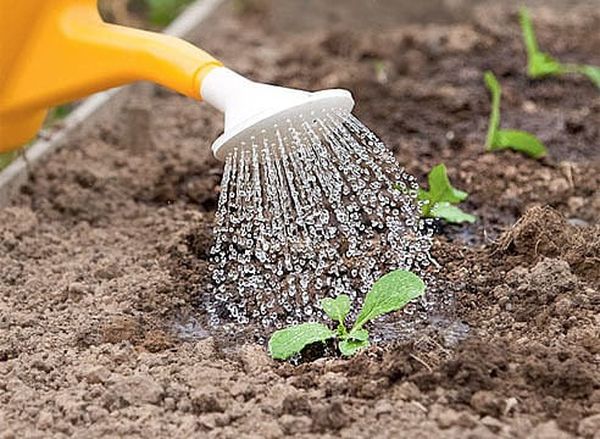
Remember not to transplant melons—these plants do not tolerate any manipulation of their roots well. To prevent your seedlings from turning yellow, apply two fertilizers before planting. However, sometimes the leaves of seedlings do turn yellow and subsequently dry out. The shoots wilt, and dark spots may appear on the yellowed leaves. These are all signs of disease. When the first symptoms appear, treat the seedlings with fungicide solutions.
Timing of planting in the ground
How to plant melons outdoors, and when is the best time to do it? Transplanting melon seedlings begins in early May. Add compost to the planting site and water it thoroughly. Don't plant the seedlings too deeply; space them at least 70 cm apart.
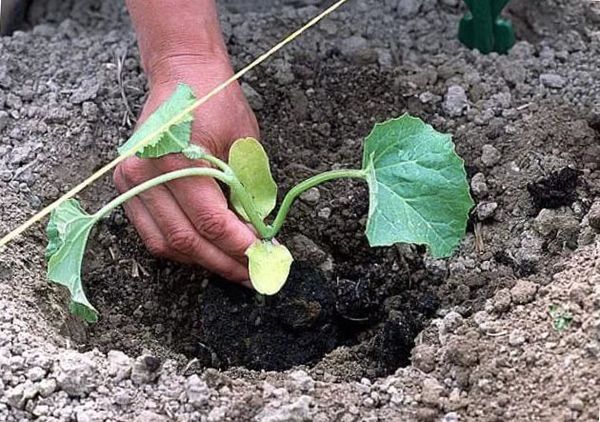
Once planted in the soil, melons need to be fertilized, watered regularly, and treated against pests. If all these rules are followed, your plant will soon delight you with its melons.
Video: "Important Tips for Growing Melon Seedlings"
This video will show you how to properly prepare melon seedlings at home.