
Description and planting features of the early melon Radmila F1
Content
Description of the variety
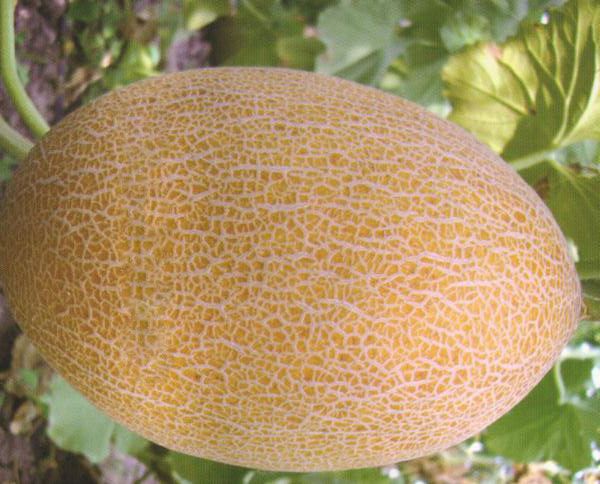
Radmila is characterized by extremely early ripening. This variety is medium-vigorous and has good covering capacity. Each plant produces at least five fruits, each weighing 2 kilograms. The fruits are uniform, yellow, and have a noticeable "net" pattern on the surface. The flesh is firm and sweet. The main advantages of this hybrid are that it is the earliest of those bred by foreign breeders and its ability to regenerate quickly.
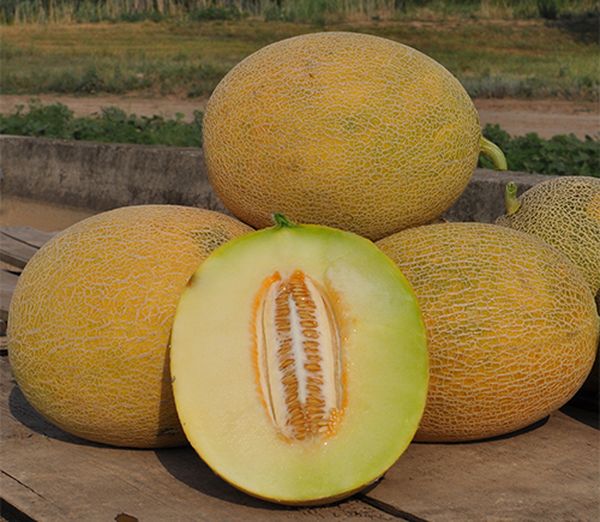
Main characteristics
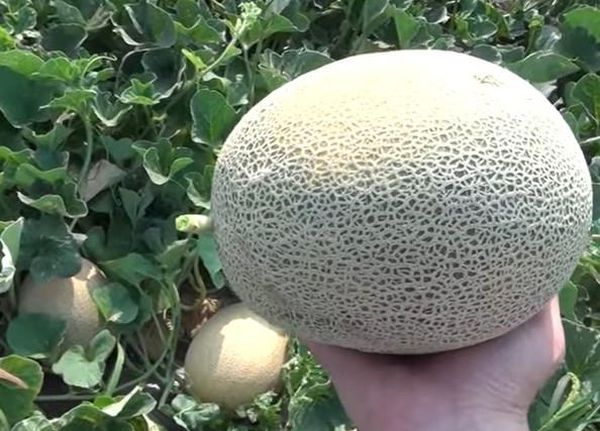
The main characteristics of the plant are resistance to the main melon diseases, high yield and early ripening of fruits. Melon ripeness is determined by the color of the rind and the characteristic indentation near the stem. Furthermore, a ripe fruit exudes a rich, pleasant aroma.
The best time to harvest is a couple of days before ripening, in the morning. Cut the melons with the stems attached. This harvesting method allows for long-distance transport without losing their essential qualities. Store the harvested melons in a cool, well-ventilated area. It's best to place them in nets and hang them.
Planting and care
Before planting, the tips of young branches located above three leaves should be removed. This will accelerate the growth of the branches, which typically produce numerous flowers. Melons covered with agrofibre should be planted when the soil has warmed up. You can speed up the warming process by applying mulch with plastic film beforehand.
Melons should be planted in tunnels dug in the ground in mid-May. If mulching has not been done, sow the crop in beds facing south. Dig holes around the plants to retain moisture. The distance between plants depends on the type of cover they are being planted in. For example, in mulched soil, crops are planted with a distance of 1–1.2 meters between rows. Often, plants are planted in two rows. In this case, the distance between rows should be 0.8–1.2 meters, and between strips, 1–1.2 meters.
During the first stage of growth, care involves removing weeds and regularly weeding. Weeding should be shallow, as it can damage the roots, which are located close to the surface during this period.
It's also important to keep the spaces between rows clean. Fertilizer should be applied before fruit formation, and then every two weeks thereafter. Leaf discoloration is often a symptom of nutritional deficiencies. This can be improved by applying several additional fertilizers. Generally, melon cultivation is similar to watermelon cultivation. After thoroughly watering the melons after planting, watering should be interrupted until the fruit begins to grow. During this period, maintain uniform and constant soil moisture. Any sudden changes can cause fruit rot or cracking.
After the plant forms lateral shoots and 9 leaves appear on them, pinching should be done.
Flowers, which will later produce fruit, grow on shoots formed in the leaf axils. When these flowers reach the size of a walnut, the tops are removed. Branches that do not produce fruit should also be removed. Six to seven fruits, which grow near the base of the shoots, are left on the plant. Other melons are removed.
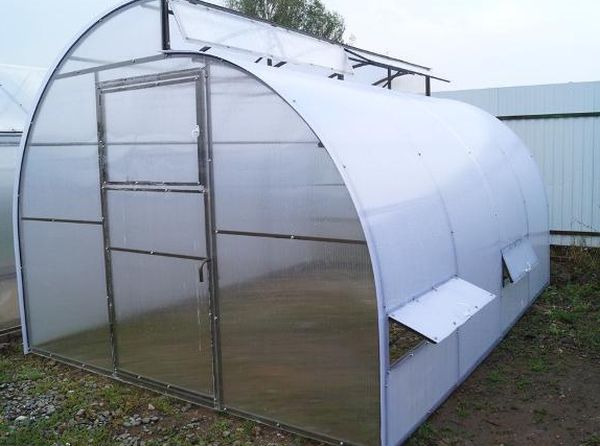
Once the melon reaches the desired size, it should be fertilized with calcium by spraying it through the irrigation system. In greenhouses, melons are trained into single or double stems. Unpollinated shoots and barren flowers should be regularly removed. These same melon cultivation practices can also be carried out in open ground.
Diseases and pests
The most dangerous diseases for melons are fusarium wilt and powdery mildew, as well as pests such as shoot flies, aphids, and spider mites. The Radmila hybrid is resistant to most diseases, but regular visual inspection of the plantings for pests and diseases is necessary. A preventative measure against most diseases is treating the crop with rooting stimulants during the growing season. Thus, the Radmila melon hybrid has a number of advantages, which is why it is widely grown by both gardeners and commercial growers.
Video: Planting Melon Seedlings
This video will give you some helpful tips on planting melons.