
Characteristics of the hybrid melon Princess Svetlana
Description of the variety
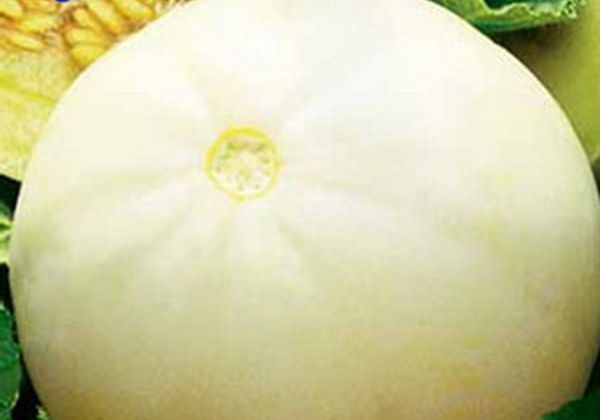
This variety is an early-ripening hybrid. It boasts high resistance to powdery mildew and anthracnose. The plants can withstand short-term cold spells and adverse weather conditions. The growing season is short, lasting only about seventy days.
The fruits are round, smooth-skinned, and creamy-white in color. Each melon weighs approximately 2 kg. The flesh matches the skin—creamy white, firm, very juicy, aromatic, and delicious. The fruits are delicious both fresh and for processing: they are used to make candied, dried, and marmalade.
Sow seeds in May, keeping a distance of 0.5 m between planting holes and approximately 70 cm between rows. Seeds shouldn't be planted too deeply—3–4 cm is sufficient. Ideal predecessors for this crop include legumes, potatoes, or cabbage. Optimal yields can be achieved by not sowing the crop until the soil warms up to 16 degrees Celsius. Average yields are 6.5 kg per square meter.
Main characteristics
- the crop is included in the state register of the Russian Federation as intended for cultivation in film-covered unheated greenhouses and belongs to the group of hybrids;
- mid-season variety;
- the plant forms long, powerful shoots with large leaves, colored an intense green;
- the skin of the fruit does not have a distinct mesh, it is colored in the same tone as the pulp;
- melons have excellent taste characteristics, very aromatic;
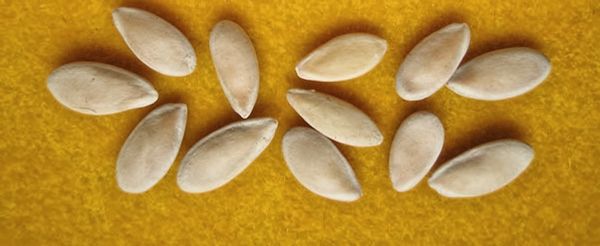
- the fruits are characterized by the presence of a central seed nest;
- the variety retains its marketable appearance for just over 2 weeks from the day it is picked from the branch;
- the crop is considered resistant to cold, excessive moisture or drought, and is also distinguished by a relatively low percentage of susceptibility to anthracnose and powdery mildew;
- It has excellent commercial qualities and tolerates long-distance transportation well.
As you can see, growing a sweet melon in our climate zone is quite possible. And if, as often happens, your neighbor has been successfully growing this crop for a long time but refuses to reveal the variety they've settled on, rest assured: it's almost certainly Princess Svetlana.
Be sure to try growing the crop, and you will never be able to give it up.
Video: Growing Melons in the Open Ground
This video will show you how to properly grow melons outdoors.