
Why can melon taste so bitter?
Content
Possible causes
There are several possible answers to the question “why does melon have a bitter taste?”
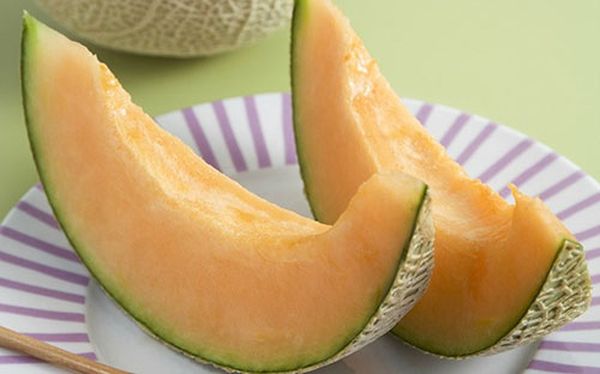
If you're harvesting a crop, pay attention to the climate zone it's located in. Fruits grown in the northern regions of the country require more care and attention. Cold and excessive humidity can cause crop spoilage.
Gardeners cite the abundance of nitrates, used as mineral fertilizers, as another reason. Nitrates are most often used in greenhouses or on large farms.
Nitrate is a chemical compound of potassium, calcium, and ammonium. This compound is used to promote growth, control pests, and extend the shelf life of produce. While small amounts of the substance do not harm the fruit or its taste, excessive use can cause nitrates to accumulate in certain parts of the plant, causing changes in the fruit.
Large amounts of nitrates alter the composition of cells and the structure of plant DNA. In humans, ingesting large amounts of nitrogen compounds can harm the digestive system. This is especially true in the summer, as high temperatures and humidity quickly convert nitrates into dangerous nitrite compounds.
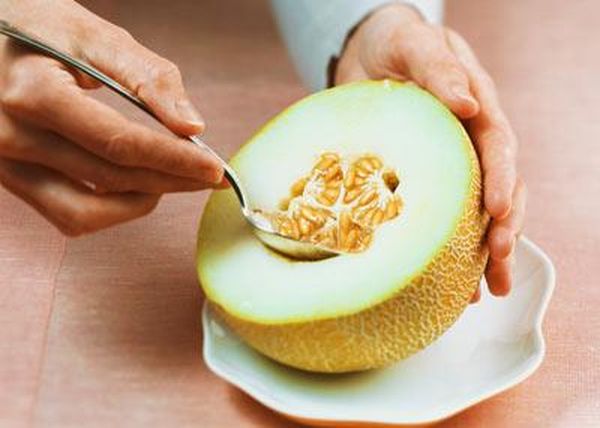
Another cause of bitterness is melon disease called fusarium wilt. Breeders have now developed a large number of varieties resistant to this disease. However, many varieties remain vulnerable to this fungus.
Fusarium can enter a plant in several ways. First, you may have purchased already infected seeds. Second, the plant may be infected through the root system. If this occurs, you'll notice damage not only to the fruit but to the entire plant. It's also possible for the fruit itself to be infected through external damage, such as cracks, dents, or cuts.
Customers often complain that the melons they buy along the highway taste bitter. This is because the fruit quickly absorbs heavy metals and various chemical compounds.
Furthermore, there's a small chance that you were buying the melon based on its original appearance and therefore chose the Chinese melon variety, also known as the Indian cucumber. For this variety, the bitter taste of the ripe fruit is natural.
When buying a melon, remember that any cracks, dents, scratches, or bumps on the fruit are potential entry points for harmful substances and diseases. Also, keep in mind that a healthy melon has a delicious melon aroma, which immediately conveys its flavor.
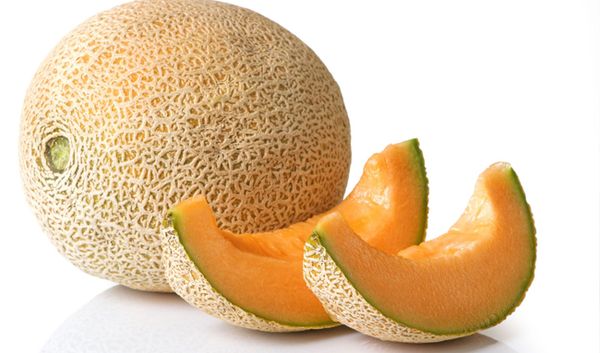
Chemical composition of melon
As we know, melon is a very healthy food in terms of its chemical composition. It boasts such nutrients as vitamins A, C, B vitamins, potassium, magnesium, beta-carotene, iron, and cobalt.
However, all these micronutrients affect the sweetness of a melon differently than its carbohydrate content. The sugar content in the most delicious dessert melons should never be less than 13%. Melons with lower sugar content are rarely used as table melons.
If a melon is bitter, chemical analysis usually shows a reduced carbohydrate content in the pulp, which is why the taste becomes unpleasant.
Remember that the chemical composition of fruits is influenced not only by the natural composition of the soil, but also by the quality and quantity of fertilizers. Furthermore, the water content and protein production in the future fruit can be affected by the frequency of watering and the temperatures at which the crop was grown.
Like any plant, this crop is very sensitive to any changes in the environment, so pay attention to the conditions in which you grow it.
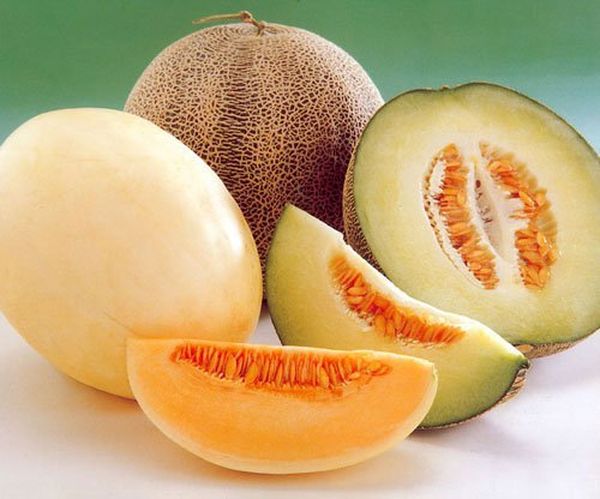
How to care for a melon so it doesn't taste bitter
To prevent melons from becoming bitter, you must follow all the proper agricultural practices for this crop. Avoid growing them outdoors in cold climates. Also, be sure to water, cultivate, and fertilize well.
For a melon with southern roots, the most important things are warm soil and weather, as well as plenty of sunlight.
If you know your melon plot is at risk of fungal or other diseases, pre-treat the soil with pest control fertilizer and wait at least two months before planting. Avoid over-treating growing crops, especially mature fruits, with pesticides.
Pay attention to the location of the household plot – it should not be located near major highways or industrial enterprises.
Growing a tasty and sweet melon is not difficult if you show care, attention, and concern for the future harvest.
Video: How to Choose a Safe Melon
This video will teach you how to choose tasty and safe fruit.