
How to control flies and other melon pests
Content
Melon fly
The most dangerous and annoying pest capable of damaging melons is the melon fly. This small insect (up to 7 mm long) is found in warm climates. Melons grown in the south of the country are primarily affected by the melon fly, but under favorable climate conditions, it can also attack crops in northern regions. Several generations of the fly can occur per year, so it's important to protect your melons from these dangerous pests.
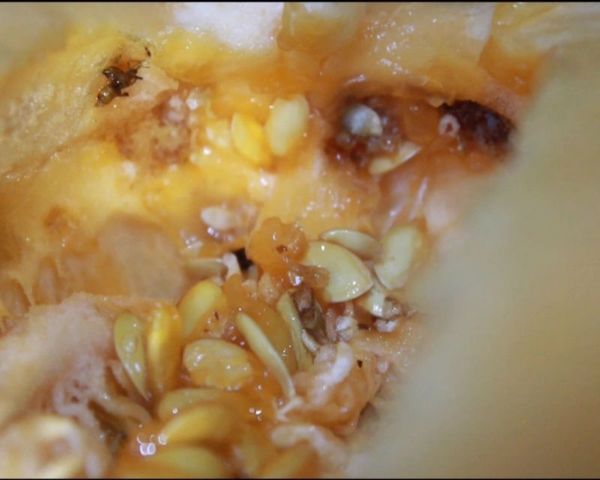
Having successfully overwintered in the soil, at a depth of up to 20 cm, by spring these insects become a real scourge for the garden. Just as the melon begins to bloom and new ovaries and shoots begin to form, the fly begins to make its presence felt. Females of this species lay numerous larvae under the skin of ovaries and fruits (in the most severe cases, their number can reach 120).
Typically, small bumps with droplets of juice can be seen in the areas where the larvae are now located. Over time, the melon fly larvae hatch from the eggs and burrow into the melon fruit. Once they reach the flesh, they consume it, creating numerous tunnels. Once the larvae reach a certain stage of development, they leave the fruit and burrow into the soil to overwinter.
This parasite poses a danger to the garden because the holes it makes in the fruit allow various bacteria to enter, causing it to rot.
Spider mite
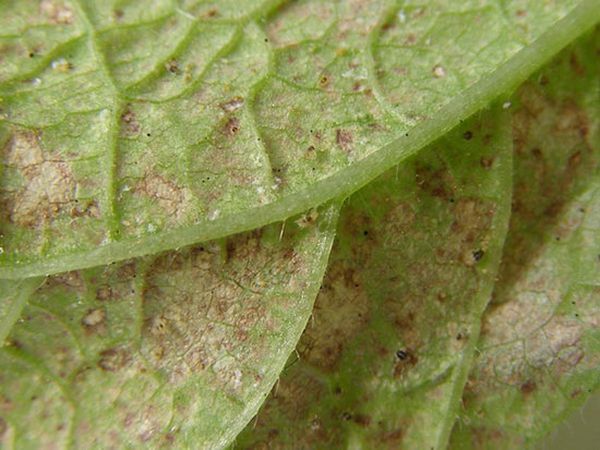
These insects spend the winter under fallen leaves and begin their destructive activity with the arrival of spring. They are very small, yellow (in spring) or orange (in fall). These pests find shelter on the undersides of plant leaves and feed on them, sucking out all the plant's sap. As a result, the leaves rapidly turn yellow (or red), and after a while, the entire plant wilts, as the parasites move from the foliage to the flowers or ovaries.
Therefore, it is worth taking the necessary measures as soon as a threat is detected, because, despite its small size, spider mites cause a lot of damage.
Cutworms
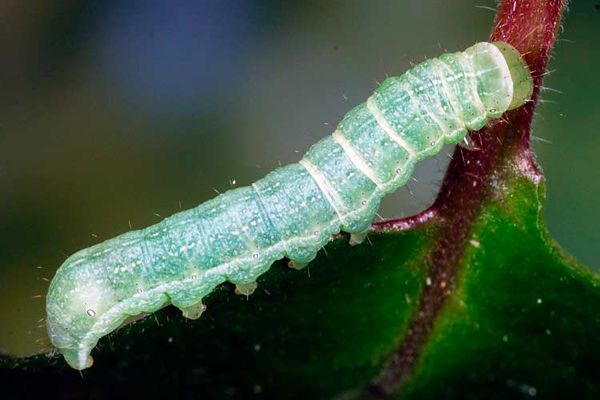
Cutworms are caterpillars found both in the soil and on the surface, causing damage to both the top and bottom of the plant. While underground, they target the melon roots, and once they emerge above ground, they immediately begin damaging the stems. If the cutworms manage to cause significant damage to the root system, it can easily lead to the death of the melon plant. Furthermore, if the majority of the damage occurs to the stems, the plant itself may also die.
Methods of control
We've described the most dangerous insects that can threaten your garden, and now we'll take a detailed look at how to combat each of them.
It's impossible to rid already infested melons of the melon fly, so the best you can do is isolate melons harboring the pests from healthy ones to minimize damage. You can also plant varieties that ripen quickly and develop thick skin (which the pests won't chew through) before the insects begin to attack. Additionally, during the summer, it's recommended to treat plants against the melon fly using Fufanon and Novoaktion. However, it's important to stop all chemical spraying three weeks before harvest.
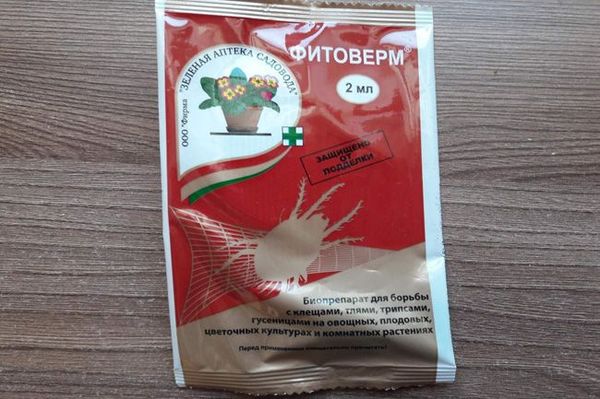
To combat spider mites, you can treat the plant with Fitoverm, which is used to kill entire colonies of these insects. Also, for preventative purposes, you can use BI-58, which is applied as soon as the first leaves begin to emerge.
To get rid of dangerous caterpillars (when they're in the larval or butterfly stage), spray your melon beds with one of the following products: Decis, Volaton, or Sherpu. You can also loosen the soil between the rows to kill the larvae, and when the butterflies appear, you can easily make traps for them using a plastic water bottle filled with jam and hung a meter from the ground.
Prevention
The first and most effective thing to do is to dig up the beds in the fall. This will likely kill most of the pests that hide in the soil for the winter.
Next, you need to loosen the soil between the rows in a timely manner and destroy weeds, since pests can overwinter there, which, with the arrival of spring, can become a real scourge.

Preventative treatment can be carried out using an infusion of onion peels or a herbal decoction. Celandine, dandelion, calendula, and even wormwood are suitable for this purpose. It's important to remember that chemical spraying should be carried out no more than twice per season—when true leaves emerge and when the plant begins to develop shoots.
Before planting, seeds should be carefully treated to ensure good resistance to diseases and accelerate plant growth and development. After all, the higher the immunity of melons, the less likely they are to be exposed to the harmful effects of insects (or the damage will not be as great).
Crop rotation – the essence of this preventative method is that it's not recommended to plant melons in the same spot two years in a row. Wait a year or two before returning the plants to their original location.
Video: "Protecting Plants from Pests and Diseases"
This video will teach you how to properly combat plant pests and diseases.