
Characteristics of the early hybrid melon Miron F1
Content
Description of the variety
In the description of the Miron melon, you may notice the designation F1, which indicates that this variety is a first-generation hybrid.
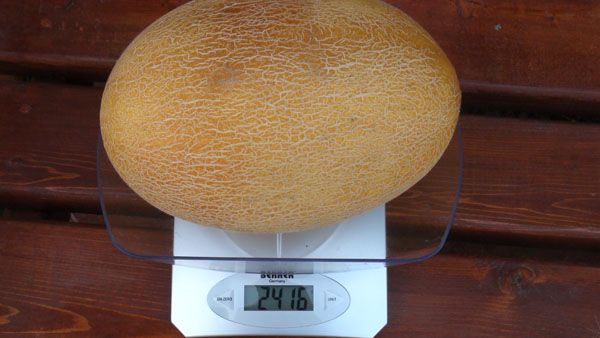
Through selective breeding, the fruits have become large, weighing up to 3.5–5 kg. The melon's surface is covered with a dark yellow rind, covered with a fine, neat mesh. The flesh is crisp, juicy, and dense. Furthermore, Miron possesses one of the most distinctive flavor characteristics among other melons. Due to the presence of a large amount of sugar (about 16%), the pulp is very sweet and aromatic.
Main characteristics
Breeders have taken care to endow the Miron melon with several very positive characteristics that distinguish this variety from others.
First and foremost, it's worth mentioning the large size of the fruit, which makes the Miron melon one of the most popular varieties for family gardens. Secondly, one shouldn't forget the wonderful sweet flavor of this variety.
If you're growing commercially, this variety may also be your choice, as its fruits are highly transportable. Another important advantage is its resistance to powdery mildew, fusarium, and late blight.
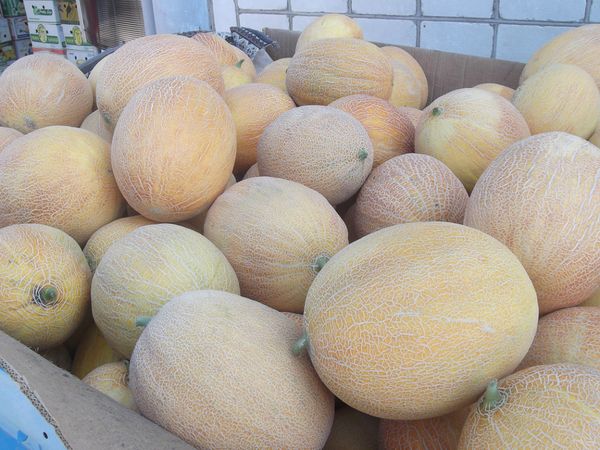
The Miron melon is well-adapted, allowing it to be grown both in its native southern climate and in northern regions. Furthermore, the variety tolerates more challenging conditions, such as high or low temperatures. Thanks to this characteristic, the Miron variety can be found in both the Siberian region and the Krasnodar Krai.
And, of course, the main advantage is the short ripening period, which does not exceed 50–60 days.
Features of agricultural technology
Myron melon is grown using standard methods—from seedlings or in open ground. As a heat-loving variety, it requires a well-lit and warm location in your garden.
Seedling preparation begins in mid-April, as planting should begin around May 20th. Seeds of this variety are not soaked before planting in peat pots; they are simply dipped in a potassium permanganate solution for half an hour. Empty seeds are removed, and the remaining ones are spread in fertilized soil in the pots. The seeds should not be planted more than 3 cm deep.
Regular watering (once a week) and feeding (every 12 days), as well as a bright, warm spot in the house, will guarantee seed germination within 10–15 days. The soil around the seedlings should be thinned, and the pots should be spaced slightly apart to ensure even sunlight distribution.
Seedlings that already have 3-5 leaves can be transplanted into the ground. Leave at least 60 cm around each seedling. Transplant carefully, being careful not to damage the root system of the future melon. There's no need to plant the stems deeper; a light sprinkling of peat and humus is sufficient. Water the future melon regularly, as Miron is a moisture-loving variety. Don't allow the soil to dry out.
Seeds are planted outdoors in April, when the soil temperature reaches 18 degrees Celsius. After the seedlings emerge (25–30 days), full care can begin, which is the same as for melon seedlings.
Regularly loosening the soil 15 centimeters from the stem will ensure the roots receive the necessary oxygen. Fertilizing with mineral fertilizer three times a month will create ideal conditions for fruit development. Staking the vines and pinching out shoots is also important.
With proper care, within 2 months of germination, the fragrant and juicy fruits of the Miron F1 variety will grace your table.
Video: "Miron F1 Melon Review"
This video will tell you all the details about the popular Miron F1 melon variety.