
Growing early ripening melon Medok
Content
Description of the variety
Some melon lovers call the Medok melon variety the pinnacle of pumpkin breeding. Its large, round fruits are a vibrant yellow, covered with a pattern of grayish-silver stripes. They contain so much sugar that, in addition to being eaten fresh, they are used to make oriental sweets and other desserts. These melons not only quench thirst, they also provide the body with various micronutrients, vitamins, and glucose.
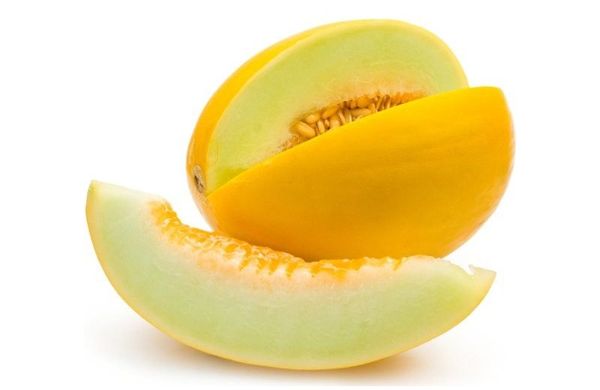
The variety is considered mid-early in terms of ripening time, shows excellent resistance to various diseases, and produces a rich harvest. The fruits are distinguished not only by their amazing sweetness, which is reflected in the name, but also by their good commercial qualities; they are stored and transported without problems.
Main characteristics
Ripe fruits can be harvested 80–85 days after the first shoots appear. One plant produces 5 to 10 melons weighing 2–4 kg. This variety is considered a medium-climber and is often grown using trellises, but spreading it out also produces good results. However, it is recommended to place pieces of plywood or other material under the ripening fruits to protect them from contact with the ground and excess moisture.
Rapid growth, disease resistance, ability to easily withstand dry periods, low maintenance, and excellent taste and marketability explain the variety's popularity. Beneath the melon's thin, yellow (but firm and elastic) skin lies a light creamy, aromatic, honey-sweet flesh. The seed pod is medium-sized.
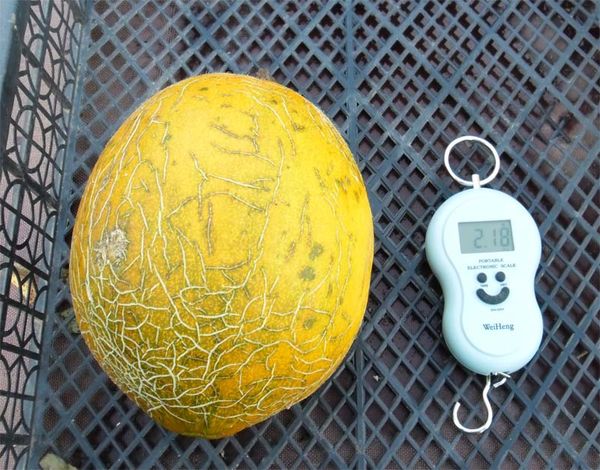
Honey grows well not only in open ground but also in greenhouses. In northern regions, sunlight is often scarce as autumn approaches, requiring supplemental lighting using fluorescent lamps.
Features of agricultural technology
When preparing to grow, pay attention to the timing of seed collection. It's best to plant seeds collected 3-4 years ago; last year's seeds germinate well, but they only produce male flowers. Soak the seeds for a while to discard any that float to the surface of the water.
The remaining seeds are dried and hardened by placing them alternately on a heated radiator and a veranda. Some gardeners gradually warm the seeds to 25 degrees Celsius and then gradually cool them to 15 degrees Celsius. The mandatory seed preparation program includes disinfecting them in a pink solution of potassium permanganate or soda and treating them with growth stimulants.
If the soil warms up to 15 degrees Celsius by the second half of May and no cold weather is expected, Medok melon is sown directly into the garden bed. Growing from seedlings is used when planting any melon variety in the garden before June is not possible. Melon prefers fertile, light, breathable soil with a neutral pH. It is planted after grains, legumes, potatoes, and cabbage in a pre-prepared bed. Preparation begins in the fall, with the addition of humus, compost, and mineral fertilizers before tilling. If acidity needs to be reduced, dolomite flour is added, and if the soil structure needs to be adjusted, sand or peat is added.
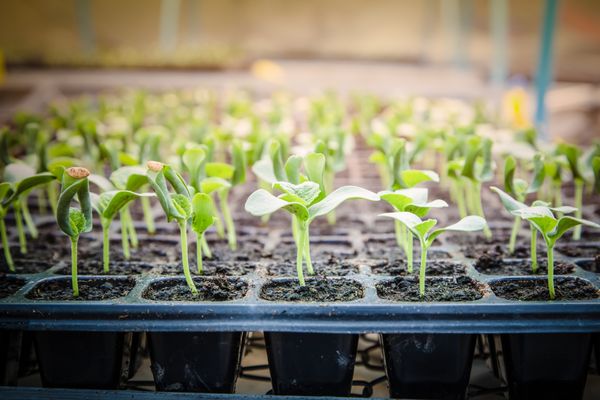
The seeds are placed on their sides in moist, light soil and covered with soil (no more than 4 cm). Leave 50–80 cm between the holes, and plant two seeds at a time. The first sprouts usually appear within 3–7 days. If both plants sprout, choose the stronger one and simply pinch off the second one to avoid damaging the small root. Water the young plants, remove weeds, and shade the newly planted seedlings for the first few days, protecting them from excessive sun.
Until the shoot reaches 50 cm in length, all shoots are removed, and then two lateral shoots are left, which will bear fruit. After the secondary shoots have produced a total of about 10 fruits, they are pinched off, counting three leaves after the last fruit. All shoots without ovaries are removed to prevent them from robbing the plant of energy needed for fruit ripening. This type of plant training will prevent it from spreading itself too thin, concentrating its energy on the fruit.
Melons respond well to fertilizing, especially if the soil is poor. A couple of weeks after planting, water the seedlings with a solution of infused bird droppings. After flowering begins, nitrogen fertilizers are unnecessary; it's better to increase the amount of potassium and phosphorus. Watering with herbal mash during the early stages of growth produces good results.
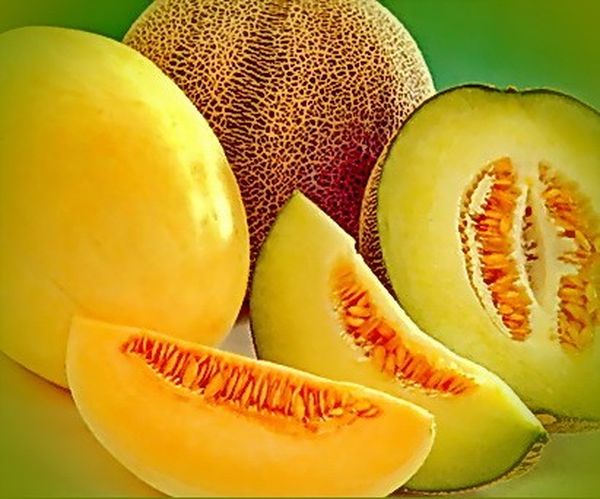
Caring for a melon involves, in addition to shaping the vines and fertilizing, watering, preferably with warm water, weeding between the rows, and hilling.
Watering should be stopped three weeks before the fruit ripens to prevent waterlogging and allow it to accumulate the required amount of sugars. Weeding should be done carefully around the roots, which is why weeding between rows is always recommended, but weeds should not be allowed to grow near the plants. Ash can be added periodically to fertilize, deacidify the soil, and protect against pests.
Video: Planting and Caring for Melons
This video will teach you how to properly plant and care for melons.