
Description of the hybrid pineapple melon Credo F1
Content
Description of the variety
Credo F1 is a French hybrid from Tezier, characterized by early and consistent fruiting. The variety is classified as a "Pineapple" variety. The plant is characterized by health, vigor, and strength. The hybrid produces well-developed foliage.
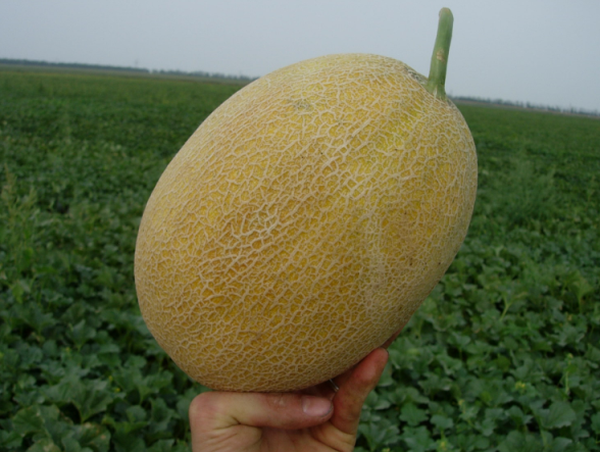
Melons of this variety have the following description:
- attractive oval shape;
- large sizes;
- high homogeneity;
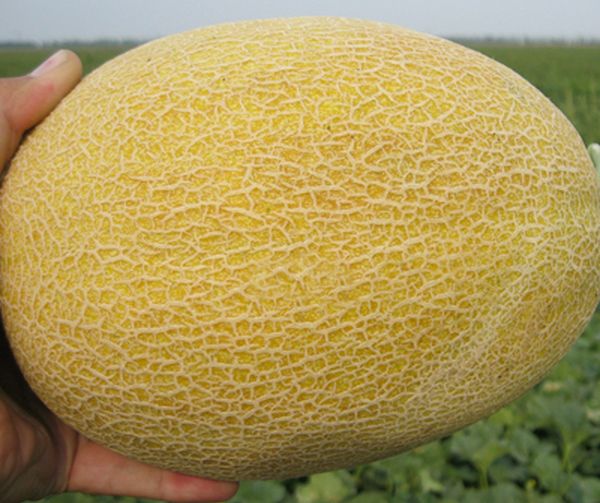
- Dull yellow skin color. May have an orange tint;
- pronounced mesh on the surface of the peel.
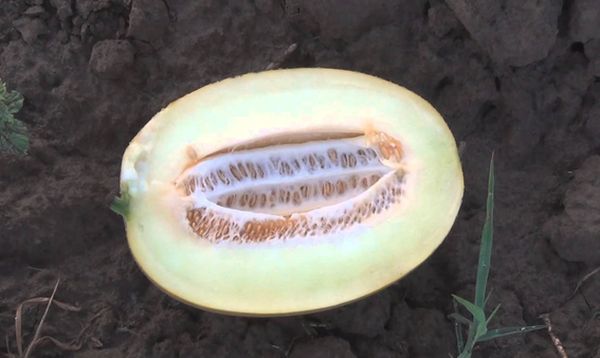
The inside of the fruit is white. The flesh has a pleasant, strong aroma. On average, one melon weighs about 2–2.5 kg. The fruit has a small seed chamber. One melon contains 5.4–7.1% total sugar and 7.0–8.9% dry matter. Furthermore, the flesh is rich in vitamins and nutrients.
The growing season lasts approximately 55 days. A single plant can produce 4-5 melons per season. The variety is characterized by high yields. Even under stressful conditions (such as prolonged drought or temperature fluctuations), the hybrid produces a high-quality and abundant harvest. When irrigated, Credo F1 yields 102-112 centners per hectare, while with irrigation, it yields 228-501 centners per hectare.
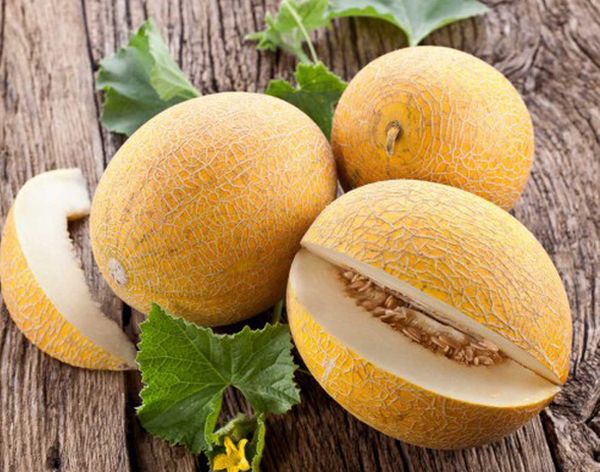
This hybrid is popular with gardeners due to its pleasant flavor. The melons can be processed into porridge or eaten fresh. This variety is most in demand in the Ukrainian market. However, it is also widely grown in Russia and Moldova. The plant can be grown in greenhouses, open ground, and plastic tunnels.
Main characteristics
The Credo F1 melon variety has the following characteristics:
- early maturity;
- excellent taste of fruits;
- high commercial quality of the harvest;
- excellent drought resistance;
- good keeping quality of melons;
- The fruits are able to withstand transportation well even over long distances.
In addition, the main characteristics of the variety include high immunity to the most common diseases of melon crops. Credo F1 is practically not affected by diseases such as powdery mildew and fusarium. The hybrid is resistant to viral, bacterial and fungal pathogens.
Features of agricultural technology
Credo F1 melon seeds should be planted only after the soil has warmed to 15–16°C (59–60°F). The threat of night frost must have passed. Planting is done using dry seedlings. Place the seeds 2.5–3 cm deep in the soil. Use a 140 x 60 cm (59 x 24 in) planting pattern. Maintain a 70 cm (28 in) space between rows.
The hybrid can be grown using seedlings. Using seedlings allows for harvesting approximately two weeks earlier than expected when grown outdoors. However, when growing seedlings, the seeds must be prepared (soaked in water). They should be sown only after germination. Sowing dry seeds in moist soil will delay germination.
When using the seedling method, the first shoots will appear in approximately 14 days. If the temperature is 20–25°C (68–77°F), they will appear as early as 4 days later. Young plants are transplanted into open ground only after the seedlings have developed 5–6 true leaves. For planting, holes are dug in the garden bed. The soil is disinfected with a weak solution of potassium permanganate. Then, warm water (18–20°C (65–77°F)) is added to the hole.
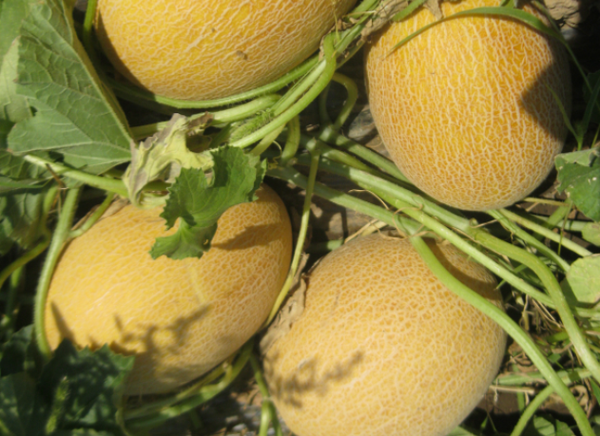
The best predecessors for Credo F1 are cabbage, potatoes, and legumes. When growing the hybrid in a greenhouse, the plants are supported. In a greenhouse, a distance of 40–50 cm should be maintained between adjacent plants. Pinching the central shoot is not necessary for this variety. However, for lateral stems, this procedure is performed after 2–3 leaves have emerged. This will prevent excessive crowding.
If the melon is grown in a greenhouse, periodic ventilation of the structure is essential.
As the plant grows in the open ground or greenhouse, it should be watered once a week. Watering is reduced as the fruit ripens. Nitrogen fertilizers (such as ammonium nitrate) are added to the soil throughout the season. Fertilizing is done twice, 14–21 days apart. To protect the fruit from contact with the soil, place boards or foam under the plants. As you can see, the Credo F1 melon variety will be an excellent addition to your garden.
Video "Melon Credo F1"
In this video you will hear the characteristics of the Credo F1 melon variety.