
Growing the most popular melon variety, Kolkhoznitsa
Content
Description and characteristics of the variety
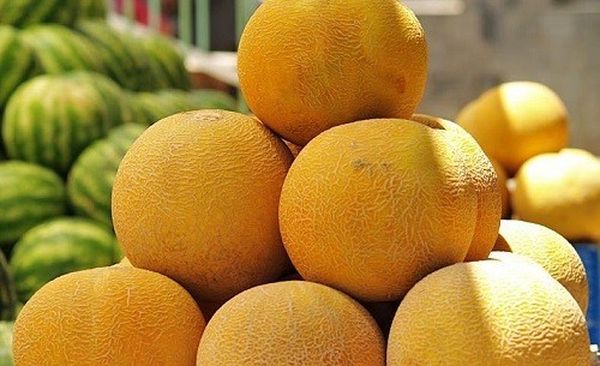
The Kolkhoznitsa melon variety was developed in the 1940s. It is a mid-season variety, with ripening times ranging from 2 to 3 months. The aromatic Kolkhoznitsa melons are round, richly golden in color, and have a mesh-like rind. Each melon weighs approximately 2 kilograms. The flesh of the Kolkhoznitsa melon is described as white, firm, crisp, and sweet.
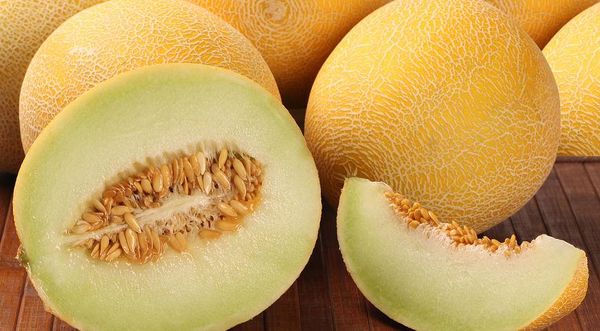
Storing the harvest is largely similar to storing other melons. Green melon is suitable for long-term storage. The plant is cultivated in Ukraine, Russia, and Moldova.
Features of cultivation
Deciding where to plant Kolkhoznitsa seeds? Choose a sunny, wind-protected area with well-fertilized, fertile soil. It's best to prepare the soil for planting well in the fall. To do this, dig the selected area and add organic matter. If the soil contains a lot of clay, add some sand. This will make the soil looser.
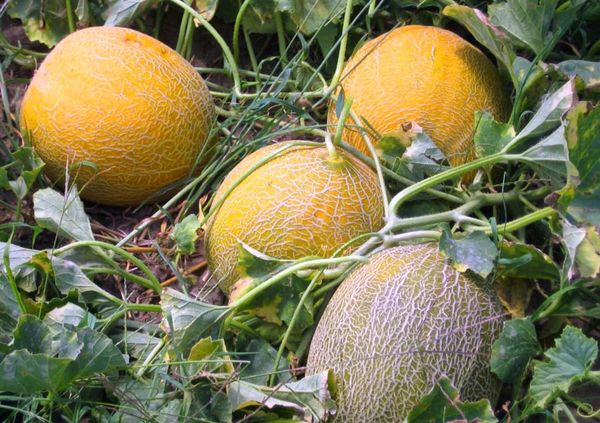
Preparing the plot in spring involves digging it and fertilizing it with fertilizers containing phosphorus and potassium. After this preliminary work, you can plant the melon. When choosing seeds for seedlings, choose larger ones. Before planting, they should be treated with a growth stimulant or boric acid with zinc sulfate. After this treatment, the seeds should be soaked for at least half a day. Experienced gardeners harden off the seeds. This procedure involves:
- placing the seed material in water at a temperature of at least 35 °C;
- removing the seeds and keeping them at room temperature for 24 hours;
- transfer of seed material to a room with a temperature of 0 °C for 20 hours;
- return to the previous temperature regime;
These seedling treatments should be repeated at least three times a week before planting. How to grow melons? First, you need to grow the seedlings. They grow best in peat pots, which protect the root system during transplantation into unprotected soil. There's no need to remove the young seedlings from their containers—they can be planted directly in the peat pots.
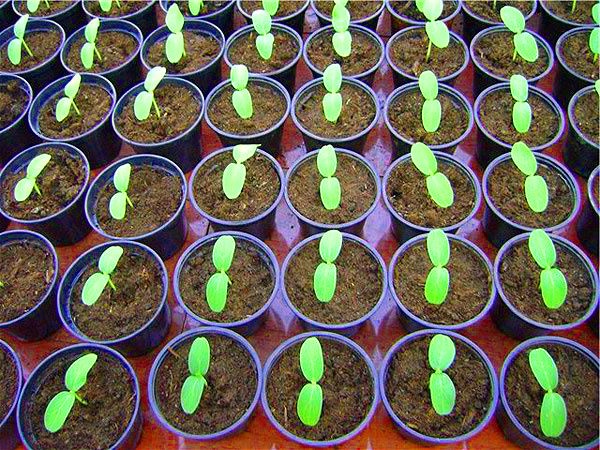
This peat will become an excellent soil fertilizer in the future. If the seedlings were grown in plastic containers, they should be carefully cut before planting to avoid damaging the roots. Fill the containers with soil purchased from a specialty store or prepared at home. A homemade mixture should include peat, sand, and wood ash in a ratio of 9:1:1. Pre-soaking the Kolkhoznitsa melon seeds will help remove any empty seeds that will float to the surface. Remove these, and leave the remaining seeds in water for 24 hours.
The following day, place two seeds in each pot, no more than 5 centimeters deep, into the soil. Until the first sprouts appear, keep the containers at a daytime temperature of 20°C (68°F) and a nighttime temperature of at least 15°C (59°F). After a week, young shoots will emerge from the soil. Once three true leaves have formed, pinch the young plants. This will encourage the formation of lateral shoots.
The seeds should be sown in April, and the young plants should be transplanted into the ground after 25 days.
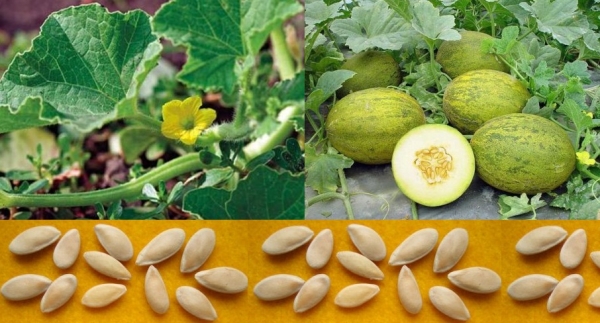
Growing the Kolkhoznitsa melon variety outdoors begins with preparatory work on the plot. After this, small holes are dug in the garden bed, spaced 0.7 meters apart. Planting the seedlings occurs once the threat of frost has passed. Otherwise, the melon may die, as it is very heat-loving.
Fill the holes with water, add a small amount of compost, and then plant the seedlings so that the soil ball is partially visible above the soil surface. After this, water the plants and lightly cover them with soil. It's best to provide the young plants with shade for the first couple of days after planting.
Diseases and pests
Caring for the Kolkhoznitsa melon variety involves protecting it from diseases and pests. The plant is susceptible to many ailments. However, with proper care, most of them can be avoided. Growing the Kolkhoznitsa melon in a greenhouse doesn't require much effort, as most diseases don't manifest when grown indoors.
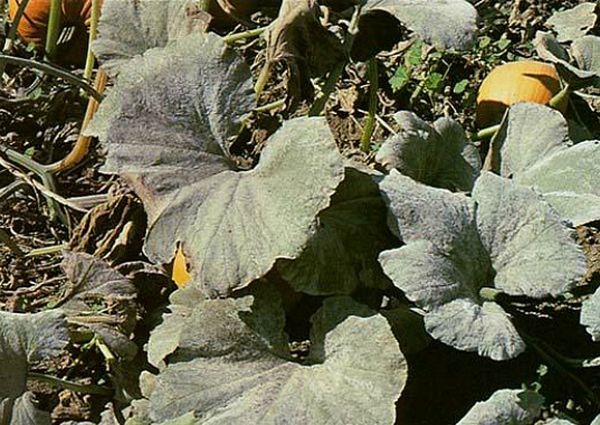
The Kolkhoznitsa melon is often susceptible to powdery mildew, a fungal disease. It appears as a gray coating, affecting the green parts of the plant. As a result, the affected parts wilt and die. Powdery mildew also negatively impacts the quality of the fruit.
Fusarium wilt is a disease that frequently attacks pumpkins. Spores of this fungus penetrate the plant's body, causing spots on the leaves. Furthermore, the leaves often become deformed. The plant gradually wilts and dies without treatment. Many pests pose a threat to melons, including aphids, spider mites, wireworms, and cutworms. Therefore, preventative treatments with fungicides and insecticides are recommended annually.
Advantages and disadvantages
Advantages of the Kolkhoznitsa variety:
- resistance to low ambient temperatures, which is rare for melons;
- excellent taste;
- transportability;
The plant's drawback is its short shelf life. So, Kolkhoznitsa is a mid-season melon variety that will delight you with its delicious flavor.
Video: Growing Melons in a Greenhouse
In this video, you'll learn how to grow the Kolkhoznitsa, Ananasnaya, and Medovaya melon varieties in a greenhouse.