
How long does it take for melons to ripen and when do they ripen?
Content
How long does it take for a melon to ripen?
For a gardener, the most important questions are "when to plant" and "when to harvest." Each garden crop has its own ripening period. When growing melons in the garden, it's important to have a rough idea of when the berries can be harvested. However, it's important to understand that ripening times will depend on the following factors:
- Which variety was chosen? Today, this melon crop is represented by a wide variety. Each type flowers and bears fruit at its own time;
- The climate of the region where the seedlings were planted. Early fruiting can only be expected in southern regions. Further north, the ripening rate will decrease significantly;
- Quality and comprehensive care. If the plantings have been properly cared for, fruiting will begin within the period typical for the chosen variety. If care has been inadequate, some delays in ripening are possible.
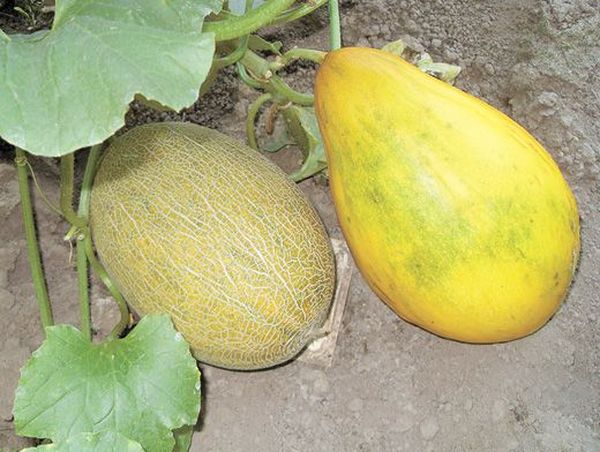
To understand when melon varieties ripen, you need to know that they are divided into the following groups:
- Early maturing. These varieties are capable of producing a ripe harvest as early as July;
- Mid-season. When planting these varieties, the fruit is harvested in August;
- Late-ripening. These have the longest period of harvest formation. Here, the harvest can be picked in September.
The ripening period for this crop can take from 45 to 75 days. To speed up this process, soak the seeds before planting. Seedlings can also be used.
Some gardeners note that when plants begin to bloom, small flowers should be plucked. This may also slightly speed up the ripening of the berries.
When to expect ripening
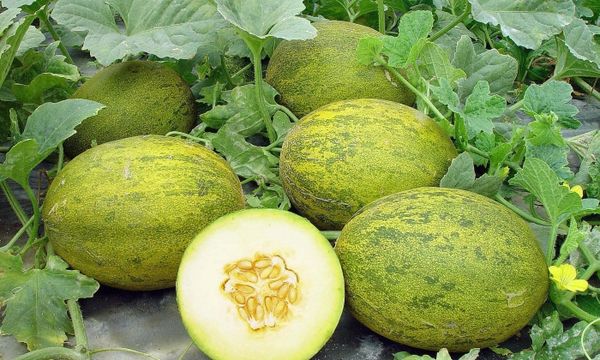
Even though gardeners know how long it takes for a particular melon variety to ripen, it's very difficult to determine the fruit's ripeness with 100%. Nature can make its own adjustments. This is because the following factors directly influence the rate of melon development:
- Weather. In a warm summer, the harvest may ripen a week ahead of schedule. However, if the spring was late and cold, and the summer was rainy, then both crop damage and delayed development are possible;
- Proper watering. Typically, this crop is watered moderately. Some varieties tolerate dry summer periods quite well. The main thing is to avoid excessive drying out or overwatering of the soil;
- The amount and types of fertilizers applied. It's important to understand that plants require adequate nutrition throughout their growth and development. Fertilizing is especially important during flowering and harvest formation.
In addition, the soil's structural composition is important for the speed of melon ripening. This can be improved by adding fertilizers, which can modify the soil to meet specific requirements.
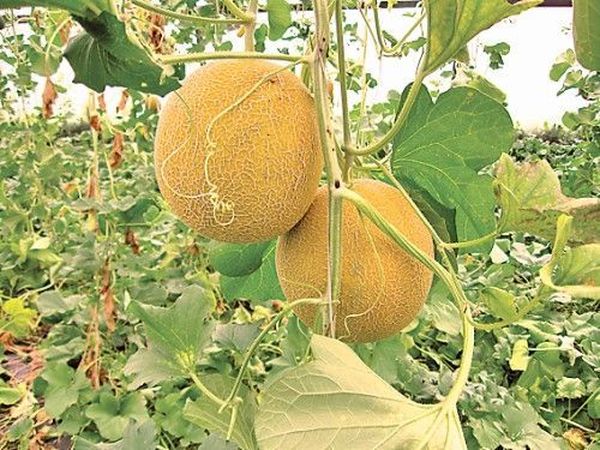
As a result, it can be concluded that an identical variety will not bloom and bear fruit on the same day in different regions of the country. Therefore, in the Moscow region, the Urals, and Siberia, the harvest of ripe melons from the same variety will occur at different times. After all, the fruit ripens under different conditions.
It's also worth noting that soil quality, along with plant care, directly impacts the flavor of this crop's fruit. Pollination by other pumpkin varieties can result in a flavor uncharacteristic of the variety being grown.
How to determine ripeness
To enjoy a ripe melon, you need to know how to identify it. A ripe melon has several characteristics that make it easy to assess its ripeness.
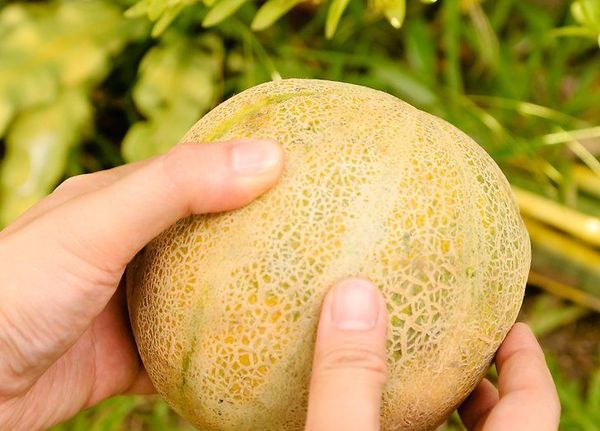
First, pay attention to the melon's aroma. Ripe fruits have a distinct honey, pear, or vanilla aroma. Unripe fruits either have no aroma at all or have a barely perceptible green scent. Overripe melon flesh will emit a less-than-pleasant aroma.
The second parameter to consider is sound. If you tap the sides of a ripe melon, you'll hear a dull sound. Unripe melons will have a ringing sound.
The most informative and accurate method is visual identification. A melon's appearance can be a significant indicator. However, it's important to consider the characteristics of different varieties, as some melons will have bright yellow skin, while others will be green or have greenish stripes. These characteristics are specific to the variety and do not indicate unripeness. The key is uniform coloration.
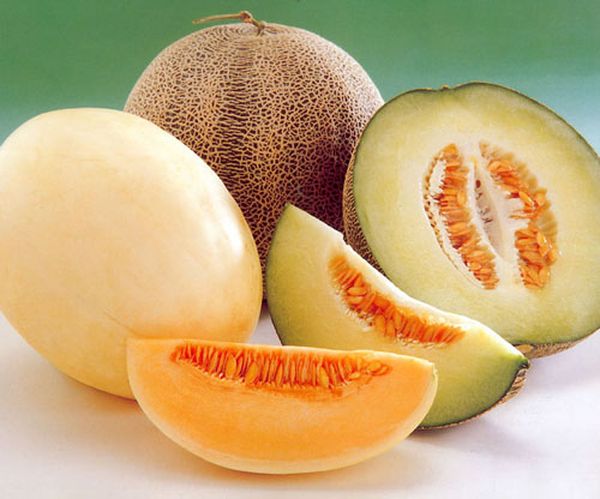
When you press on the skin of a ripe fruit, it springs back. If you've got an overripe melon, the dents on its surface will remain after you remove your hand.
You can also gently pry the skin off with your fingernail. If it comes off easily, the fruit is ready to eat. This method is considered by many to be the most reliable. The fruit you select should be free of mechanical damage, discolored spots, or rotten areas. Such fruit will spoil very quickly.
Based on the above, you can easily understand when the melon is not yet ripe and choose the most ripe fruit.
Video: Growing Melons and Watermelons in the Garden
This video will teach you how to grow melons and watermelons in your garden.