
How to grow sweet melon outdoors in the Moscow region
Content
Which variety is suitable for the Moscow region?
Selecting a variety is the most crucial step in this process. Since summers in the Moscow region are short, sometimes rainy, and cool, only early-ripening varieties should be selected for cultivation. Melons that ripen in 60–70 days, or a maximum of 80 days, are considered early-ripening.
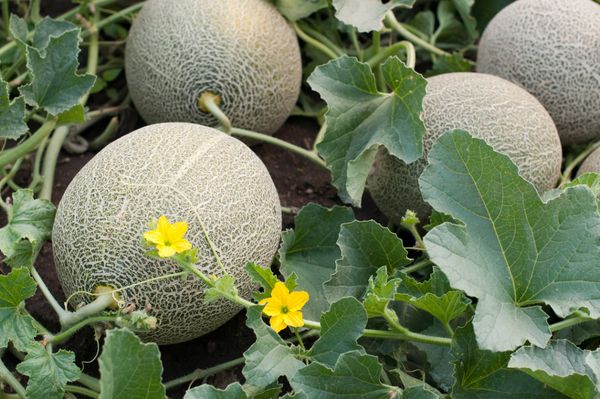
The second criterion to consider when choosing a variety is cold hardiness. Don't expect a southern variety to produce the same heavy, sweet fruit in a temperate climate as it does in its native land. From this we can conclude that melon varieties for the Moscow region should be adapted to this region.
The following varieties have this characteristic:
- Kolkhoznitsa – this melon is a favorite in the melon beds of the Moscow region. Although its bright yellow fruits are small (up to 1 kg), it is the only one that ripens on time, despite all the weather conditions.
- Altayskaya is a very cold-hardy variety, ripening a week later than Kolkhoznitsa. The fruits are oblong, covered with a fine mesh, and weigh 2–2.5 kg.
- Zolotistaya is an easy-to-grow and disease-resistant variety. The fruits are round, bright yellow, and covered with an openwork mesh. The flesh is white and sweet.
- Scythian Gold is a mid-early variety with high resistance to fungal diseases. The fruits are elongated, averaging 1.5 kg in weight, and have bright yellow skin.
- Iroquois F1 is a mid-early variety with rather exotic-looking fruits. The melon's surface is green, divided into segments, and the flesh is orange.
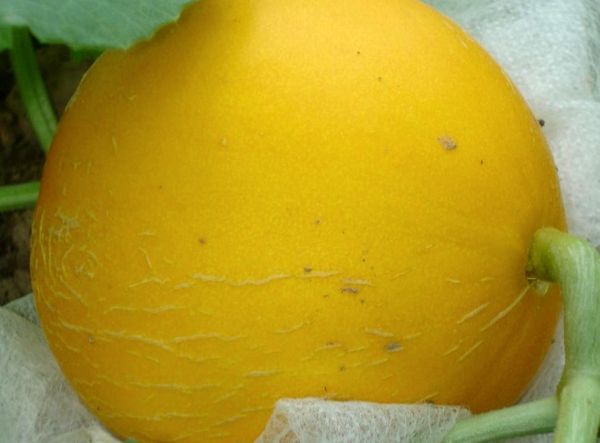
These are the best melon varieties for open ground, but there are also many greenhouse hybrids. For example, in a greenhouse in the Moscow region, you can easily grow the Pineapple Melon and its hybrids with an equally exotic pineapple flavor: Delano F1, Sweet Pineapple F1, and Pineapple Gold.
When is the best time to plant a melon?
Growing a good melon in the Moscow region outdoors is only possible from seedlings. It's best to sow seeds for seedlings no earlier than April 15th. By this time, daylight hours are long enough that additional lighting won't be necessary. Furthermore, if you sow seeds earlier, the seedlings will be more than a month old by the time you transplant them outdoors, and these plants have a harder time establishing themselves.
Melon seedlings should be transplanted into the garden no earlier than the third ten days of May. At this time, the Moscow region still faces a high risk of sudden cold snaps and even night frosts, so the garden bed should be covered with plastic at night. To prevent the tender sprouts from freezing, plant the melons in a plastic greenhouse, which can be easily removed when the weather warms up.
Seed preparation and germination
Melon seeds dry out quickly during storage, so before planting in the soil, they need to be soaked and then placed in a damp cloth or gauze for germination.
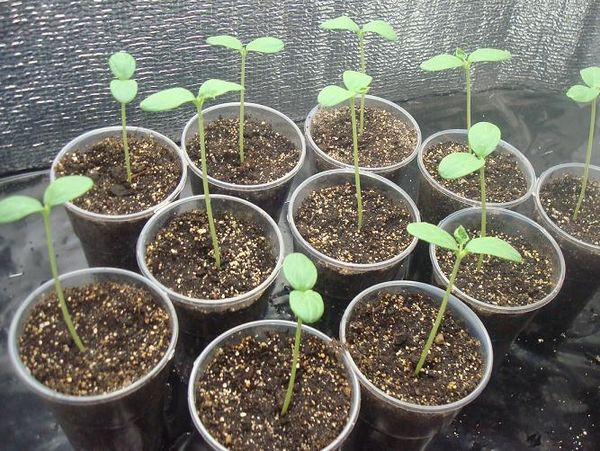
Planting begins after the seeds have sprouted (opened). Melon seedlings are very delicate and easily damaged when transplanted, so each plant is grown in a separate pot. The type of container you use for this purpose doesn't matter. These can be disposable cups filled with potting soil or peat pots.
Sow the seeds in moist soil, one seed per pot. Don't plant them too deep—1–1.5 cm is sufficient. Cover the pots with plastic wrap and place them in a bright spot until sprouts emerge. During this time, maintain the room temperature at 20–25°C during the day and 18–20°C at night, and monitor the soil moisture. Two-week-old seedlings should be fed with mineral fertilizer and, 10 days before transplanting, begin to harden them outside.
Preparing the soil and planting seedlings
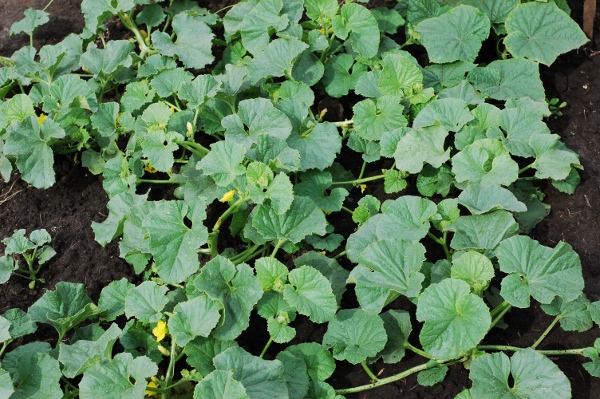
By the time they're ready to transplant, the seedlings should have developed 3-4 true leaves. To ensure successful establishment, the soil in the bed must be prepared in advance. To do this, dig the soil and make holes 50 cm apart. Then, add 1 kg of compost to each hole and lightly cover it with soil. This should be done about a week before transplanting. Immediately before planting, water the holes thoroughly with warm water, then move the seedlings along with the soil.
Given the less-than-favorable climate for melons in the Moscow region, it's best to grow them under cover at first. Some gardeners prefer to plant melons in heated beds—a shallow trench filled with humus or compost, topped with a layer of soil. Fertilizers generate heat, which helps the seedlings develop faster and stay warm. However, if possible, it's best to grow melons in a greenhouse in the Moscow region—this is especially true for southern varieties.
Further care of the melon
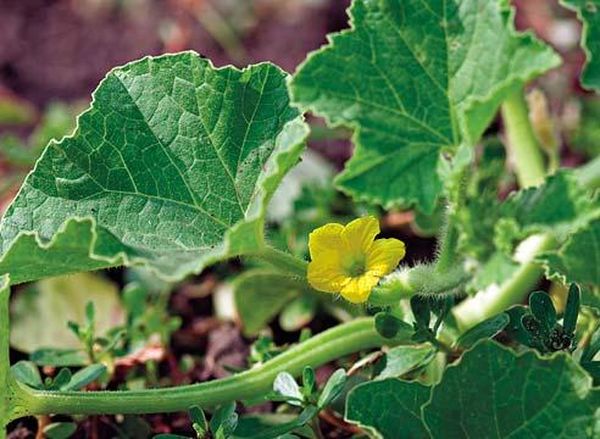
Initially, after transplanting into the ground, the only care required is protecting the plants from the cold. Subsequent care consists of regular watering, fertilizing, and shaping the plants. The first watering should be done no sooner than a week later, once the soil has dried out. Water the plants with warm water and in the evening to prevent leaf burn.
During the entire season, 3-4 additional feedings are carried out:
- the first - 10-15 days after transplantation (1 tablespoon of ammonium nitrate per 10 liters of water), promotes active growth of the shoots;
- after another 2 weeks the procedure is repeated;
- the third – in the second half of July (organic or a mixture with humates);
- the latter is carried out during the ripening of the fruits (1 tbsp. of potassium sulfate per 10 liters of water).
To ensure a good harvest, melons need to be trained: pinch the main shoots above the 4th or 5th leaf. Leave no more than one ovary on each shoot, or just 2 or 3 per plant. Only then will the fruits grow large and sweet.
Video: Planting Melons in Open Ground
This video will show you how to properly plant a melon in open ground.