
How to grow a bountiful melon harvest in a greenhouse in the Urals
Content
What a greenhouse should be like
Unlike sowing crops in open beds, growing melons in a greenhouse requires the greenhouse to meet certain requirements. This is especially important in regions whose climate is not ideal for growing heat-loving plants (e.g., the Sverdlovsk region, Siberia, the Urals, etc.).
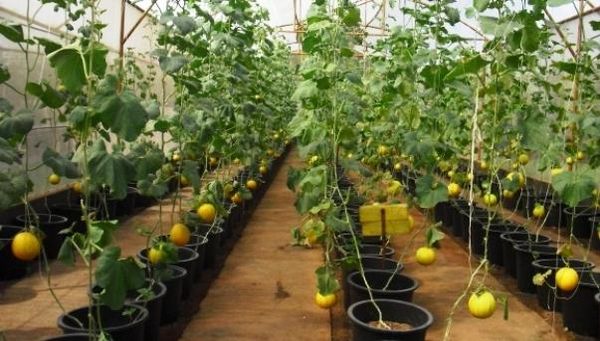
This crop can be grown in structures made of any material. Film, geotextile, or regular glass are commonly used for greenhouses. However, polycarbonate is the best option. This material is characterized by good sunlight transmission and does not darken over time.
For melons, the greenhouse can be any size. The most important thing is that the structure be at least 2 meters high. This is because this crop is a vine, so it requires sufficient vertical space.
Melon can be planted in either a heated or unheated greenhouse. With due diligence, a high-quality and abundant harvest is possible in both settings.
It is important to know that melons should not be planted in the same greenhouse with other pumpkin varieties or cucumbers. This is because accidental pollination will cause the fruits to lose their flavor. This variety is usually planted alongside nightshade crops (eggplant, etc.).
Which variety to choose?
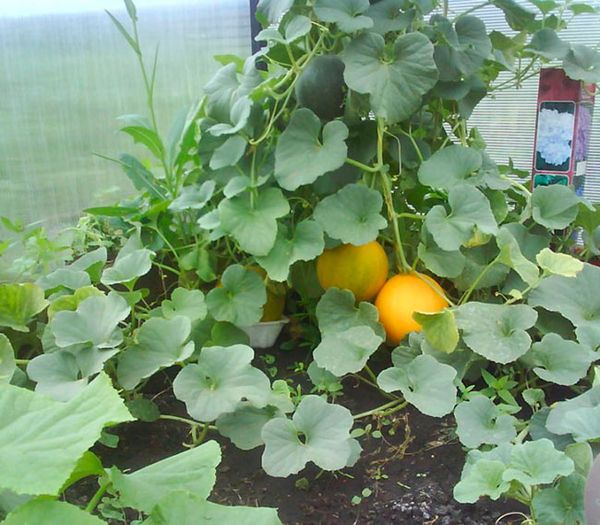
How to properly grow melons in a greenhouse in the Urals? The answer always begins with choosing a specific variety. Early varieties should be chosen for greenhouse cultivation. Emphasis should be placed on selecting the right melon varieties for the Urals. After all, breeders have already developed many varieties that can produce fruit even in open gardens in such areas.
Experienced gardeners in this region recommend planting the following varieties in a greenhouse or garden bed:
- Titovka;
- Dessert;
- Prestige.
These varieties can be harvested as early as July.
Planting early-ripening hybrids is also a good option. In the Urals, hybrids such as Goldie F1 and Roksolana F1 are often grown in greenhouses.
Preparing and planting seeds
The key to a bountiful harvest of melons grown in the Urals is proper seed planting. However, it's important to remember that the seeds need to be prepared for planting. High humidity often makes planting material susceptible to fungal attack.
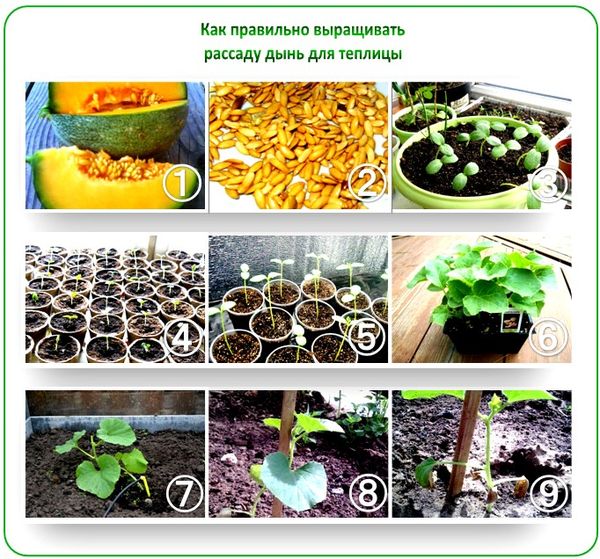
Before planting, the seeds are disinfected by soaking them in potassium permanganate for half a day. Additionally, they can be soaked in a 1% baking soda solution for 24 hours.
Sow the seeds in soft-sided plastic cups. This will make it much easier to transplant the seedlings into the soil. Fill the selected containers with garden soil. You can also use a soil mix made from various components (peat, sand, etc.).
Place 2-3 seeds per glass. Once they sprout, keep only the strongest and tallest sprout.
Features of care and cultivation
When asked how to grow melons in the Urals, many experienced gardeners recommend using seedlings. Melons are fairly easy to plant from seedlings. However, to ensure a strong plant, proper care is essential.
Caring for a young plant
Young seedlings that emerge in containers should not be touching each other with their leaves. Transplanting is done in mid-April. The seedlings can be transferred to the greenhouse once they have developed five true leaves. It's important to pinch the grown seedlings before planting.
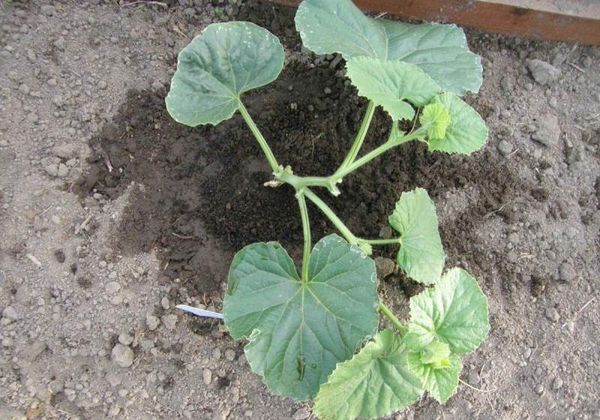
During the first few days of rooting, the seedlings don't require much attention. During this time, the young plants are watered sparingly with warm water. It's also necessary to ventilate the greenhouse if the temperature rises above 30 degrees Celsius.
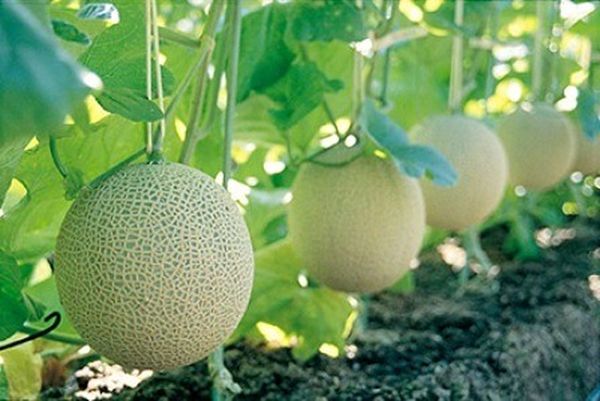
Once the young plants have reached full height, they are tied up. This is usually done 10 days after planting. For this purpose, special trellises must be installed in the greenhouse. These trellises prevent the melons from coming into contact with the soil, preventing infection by pathogens and parasites.
Watering
Mature bushes need to be watered moderately, as this plant is drought-resistant and tolerates extreme waterlogging. However, avoid allowing the soil to dry out. Overwatering can cause fungal or bacterial infections.
To minimize the risk of waterlogging, it's recommended to dig two furrows along each side of the rows. Watering should then be done within these furrows. Water the melons carefully to avoid dripping water onto any part of the stems or leaves. Otherwise, fungus may develop.
Fertilizer
Once seedlings are planted in the greenhouse soil, fertilizing the young shoots is essential. Otherwise, they will develop slowly.
If the gardener planted the resulting seedlings in a garden bed, then fertilizing is done twice. A mineral fertilizer should be used here. A universal type is best. Ammonium nitrate is also suitable.
Nutrient mixtures are added to the soil one week after planting in a greenhouse or open bed. Twenty-one days later, the next feeding is performed, using mineral supplements. The procedure is repeated after 14 days.
If the soil is poor, ammonium nitrate is applied to the beds weekly. When flowers appear, fertilize with a general-purpose fertilizer. Liquid fertilizers are also available.
How to pinch off stepsons
Since greenhouses have limited space, melons grown in these conditions must be pinched. The plant is left with one main stem and two side shoots. All other side shoots should be removed.
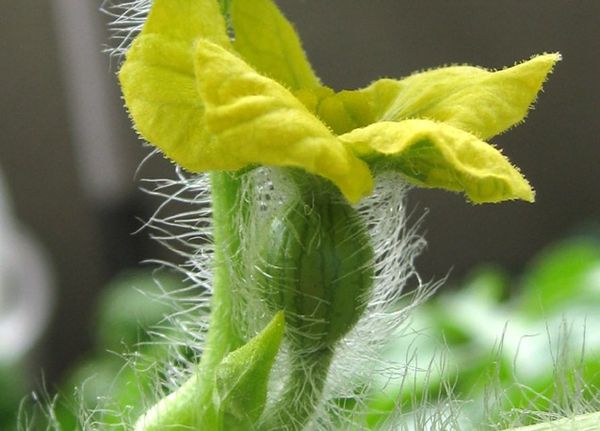
It's also necessary to pinch off the stems at a distance of one leaf from the top, and the empty stems at a distance of three leaves. Each stem should have no more than six ovaries. The main stem is pinched only when it reaches the top of the trellis.
In this case, remember that female flowers are formed only on 3rd order shoots.
Gardener's Tips
To ensure good fruiting from melons in a greenhouse, proper watering, fertilization, and shaping are not enough. Many experienced gardeners recommend artificial pollination in such conditions. Bees can be used as pollinators, but attracting them to the greenhouse can be very difficult. You can place sugar syrup inside the structure and open the door for a while. However, hand pollination is best. Take a paintbrush and brush it over all the flowers. This will distribute the pollen.
In addition, the list of tips includes daily ventilation of the greenhouse.
Now you know how to grow melons in the Urals to get a bountiful and delicious harvest.
Video: Growing Melons in a Greenhouse
This video will show you how to grow melons in a greenhouse.