
How to plant and grow a melon on your balcony
Content
What variety is suitable?
Gardeners have long wondered whether it's possible to grow a sweet and juicy melon on a windowsill or balcony, and how to care for this plant, which has earned a worthy place among other houseplants. To enjoy this melon wonder, you should start by choosing the right variety. We present the 10 best varieties for growing on the balcony. Among them are the Ineya melon, which is early maturing, ripening 85-90 days after sprouting. The Altaiskaya melon is an early maturing climbing variety.
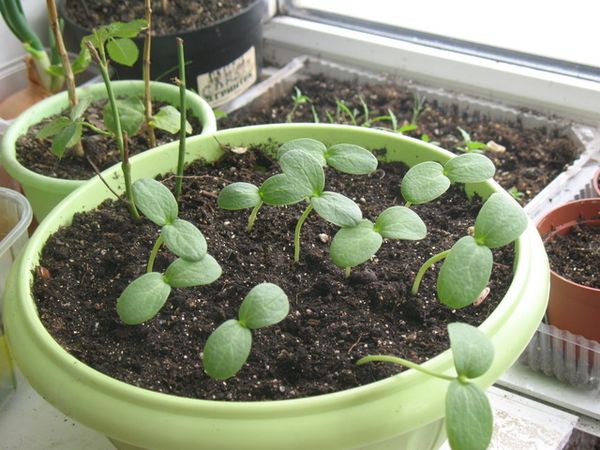
The fruits ripen in 65-70 days. Gkh-Gerimus is a mid-season hybrid. The harvest is ready in 80-100 days. Lemon-Yellow melon is an early-ripening variety, successfully grown repeatedly on balconies. The fruits are ready to be harvested in 75-80 days. Kolkhoznitsa 749-753 is a mid-season variety. Muskushnaya has the smallest berries.
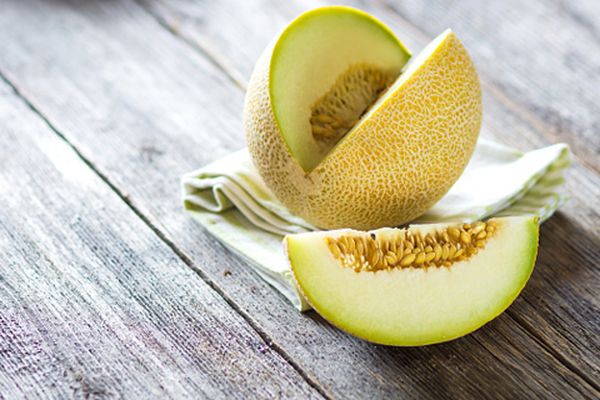
The Augen hybrid is a cross between a reticulated melon and a muskmelon. The Charentais variety is native to France. The honeydew melon, native to Morocco and the Mediterranean, is very sweet and aromatic. The Nashi variety was brought to Russia from Southeast Asia.
Selecting a container and soil
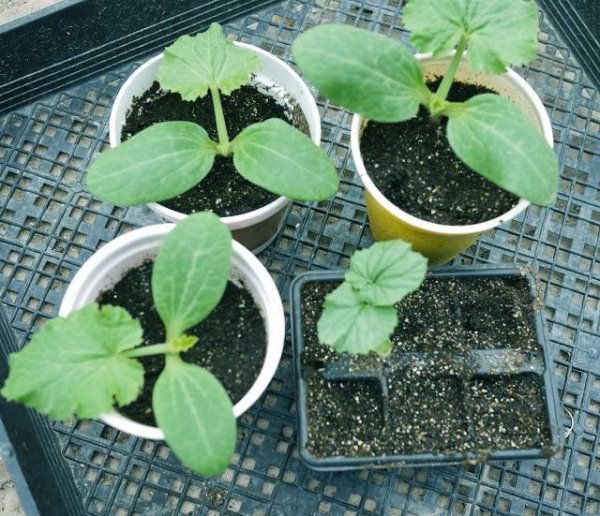
To ensure that growing an exotic melon at home is hassle-free, choose the right pot and soil. First, place the seeds in a small container, usually a plastic cup. Next, select a separate, permanent pot for the grown seedling, or seedling, with a capacity of 4-5 liters. For planting, you'll need loose, neutral or slightly alkaline soil. To avoid the risk of contamination, you can purchase a ready-made soil mix from a specialty store. We recommend using soil "For cucumbers."
Landing
Before planting, dig holes in the soil and add 1 tablespoon of ash. Next, water the soil with a weak solution of potassium permanganate. This will effectively prevent mold. It's also recommended to fill the planting holes with warm water. Once the water has soaked in, you can transplant the seedlings from their original containers.
Remember to water the seedlings with warm water the day before you plan to transplant them. When planting, it's important to follow this rule: don't plant them too deep into the soil. The planting pattern requires maintaining a distance of 40-50 cm between plants.
Necessary conditions
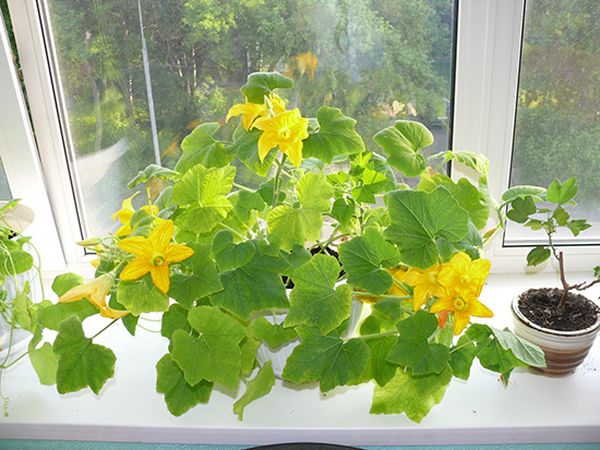
An exotic melon requires some attention in a comfortable home environment. It will require a specific lighting system and careful maintenance of a specific temperature.
Temperature
As for temperature readings, they cannot drop below 15-17 degrees Celsius even at night. This is due to the plant's high heat-loving nature.
Lighting
To grow a melon on a balcony, it needs to be not only warm but also well-lit. Keep the potted plant on the brightest windowsill or balcony in your apartment. If the plant doesn't get enough light, it may become diseased.
Care Features
When wondering how to grow a melon at home, it's important to know the steps involved in caring for this indoor plant. Proper melon care includes regular watering, high-quality fertilizer, pruning, and, if necessary, disease and pest control.
Watering
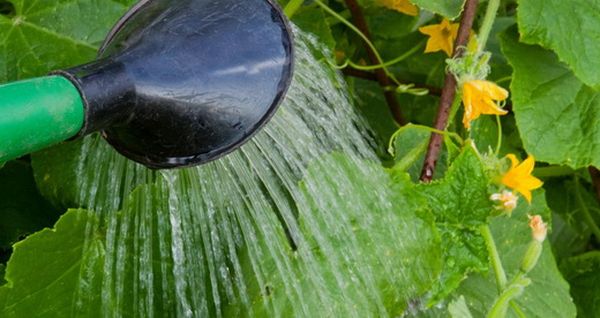
Watering must be moderate, as the plant does not respond well to excessive soil moisture. The normal frequency is once every three days. Avoid watering your pet with cold water. Use only settled water at a temperature of approximately 30-32 degrees Celsius. During hot weather, it is recommended to increase the frequency of watering. Conversely, during cloudy weather, reduce the frequency.
Fertilizer
It's recommended to use fertilizers high in minerals. The plant especially needs nitrogen. However, once fruit sets, nitrogen-containing fertilizers should be replaced with ones rich in potassium and phosphorus.
Bush formation
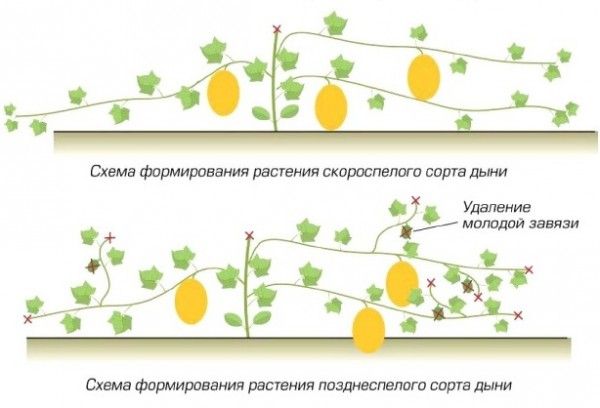
Pre-soaked seeds are planted in small containers for germination. When they develop 5-6 fully developed leaves, they need to be pinched. After transplanting the seedlings into larger pots or containers, bush training is essential. The vines are tied to special twine. Hand pollination is necessary, "flower to flower."
Remember that male flowers always appear in the center of the stem, while female flowers appear on the sides. Once the buds have formed, leave a couple of buds at the base of the stem, and remove the rest. To ensure proper pinching, leave about five leaves for each bud.
Pest and disease control
Diseases that can cause a lot of trouble for gardeners and their crops include anthracnose, fusarium, and powdery mildew. They can often be prevented by treating the soil mixture in which they will be planted with a special biological compound. During flowering, regular spraying with a modern liquid product, such as Fitosporin or another, is also effective.
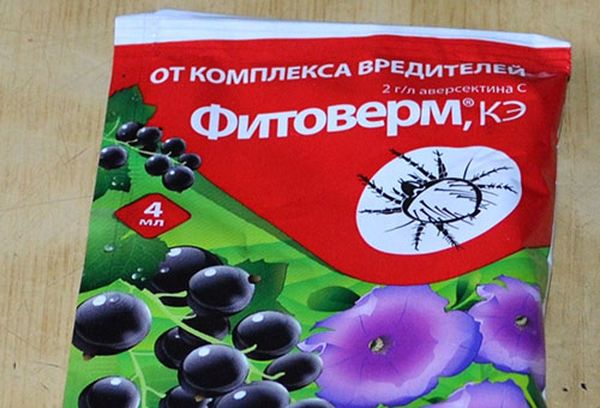
Among the known pests, your melons may be attacked by aphids, whiteflies, spider mites, and cutworms. The most effective and safe product for controlling them is Fitoverm. However, other treatments are also available.
Difficulties in growing
Once the seeds sprout, it's important to remember to move the containers closer to the light. Otherwise, you'll end up with weak seedlings or those with misshapen cotyledons, which will be difficult to discard. If you sow in early winter, before February, the seedlings will not receive enough light and will need to be supplemented with daily light, extending the daylight hours to 12 hours.
Until fruit sets, seedlings should be allowed to dry out and watering should be limited. Otherwise, excess moisture will stimulate the growth of lateral shoots, thereby reducing yield. To maintain a temperature of 20-25 degrees Celsius, it's best to cover the seedlings with black film. Avoid excessive nitrogen fertilization. Combined with insufficient light, this can lead to nitrate accumulation in the fruit.
Video: Growing and Shaping Melons
This video will show you how to grow and shape melons.