
How to determine the ripeness and choose a melon
Aroma
How can I determine the ripeness of a melon to harvest it? Today, there are several indicators by which I can determine the ripeness of this crop. These include:
- smell;
- sound;
- appearance.
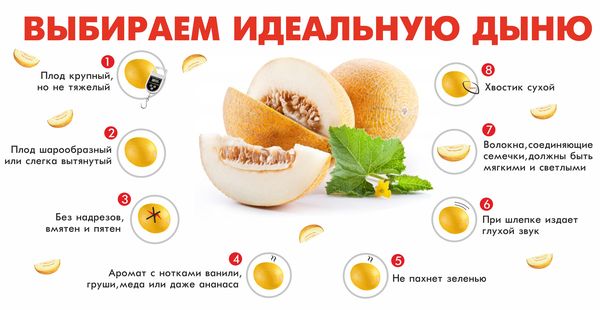
To choose a sweet melon, you must first pay attention to its melon smell.The ripe berry has a pleasant aroma, somewhat reminiscent of pineapple. Some varieties have a pear-like or honey-like scent. A vanilla aroma can also be detected. It's always important to consider the variety. This is because some varieties have unique fruit characteristics. Therefore, it's important to evaluate not only the particular specimen you like but also its neighbors. This approach will allow you to determine the approximate ripeness of the entire crop.
If you don't detect any aroma when you pick up the berry, you can twirl it in your hands and smell it more thoroughly. Some varieties of this fruit have a very subtle and subtle aroma.
It's worth noting that unripe melons have no odor. Some melons that are just beginning to ripen emit a green aroma. If you detect such an odor, you should definitely avoid picking the fruit. Unripe melons can be pickled. However, to ensure a delicious pickled melon, you need to know a special pickling recipe.
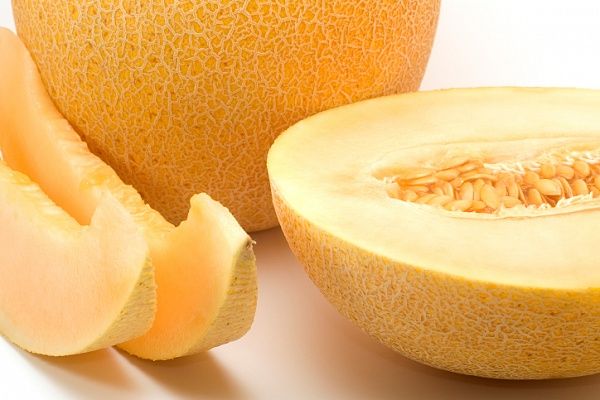
It's important to know that as the air temperature rises, the chances of picking a ripe melon increase significantly. Under these conditions, the sweet melon's aroma becomes more pronounced.
However, you shouldn't rely solely on your sense of smell, as not everyone has a good sense of smell. That's why there are different ways to assess ripeness.
Sound
Once you've identified a fragrant fruit, you need to evaluate it by sound. But to do this, you need to know how to test a melon by this indicator. To do this, it's recommended to gently pat the surface of the melon you like. Ripe melons will sound dull when patted this way. If the fruit is unripe, the resulting sound will be ringing.
Peel
The third parameter to consider when choosing a ripe melon is its appearance. Ripe melons of different varieties can have different colors:
- bright yellow;
- yellow;
- light yellow;
- orange;
- with green stripes, etc.
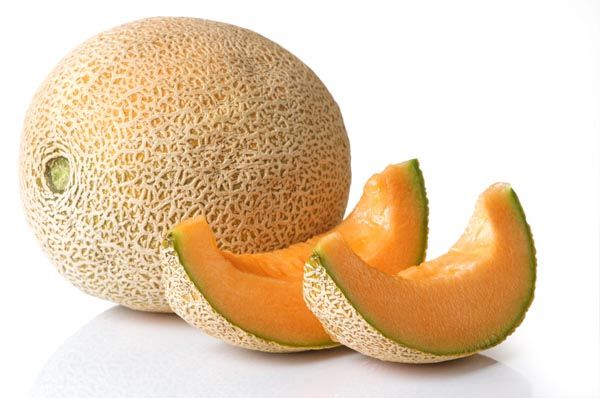
Therefore, you should first assess the appearance of the entire crop. It should be approximately uniform. Then, examine the condition of the peel.
A sweet and ripe melon can have either a smooth or rough rind. Again, this depends on the variety. However, the rind should be free of any signs of mechanical damage (scratches, dents, rotten areas, etc.). Any mechanical damage allows pathogenic microorganisms to penetrate the fruit, triggering rotting. There should also be no cracks, uncharacteristic spots, or parasites on the surface. The rind should be uniform in color and thickness.
If you pick up a ripe melon, it will be noticeably heavy. However, this depends on the variety. Some varieties produce melons weighing up to 1 kg, while others weigh around 2-3 kg.
Select only whole melons that show no signs of mechanical damage. If you plan to refrigerate the melon for several days before eating, buy only whole melons. In this case, buying halves is not recommended. They will spoil very quickly, even if refrigerated.
The following points indicate that the selected specimen is immature:
- spots that have an uneven color;
- Firmness. Ripeness is indicated by the softness of the skin. When lightly pressed, slight indentations may appear, which smooth out almost immediately. If these remain, the berry is overripe;
- Pronounced longitudinal veins indicate excessive nitrate content.
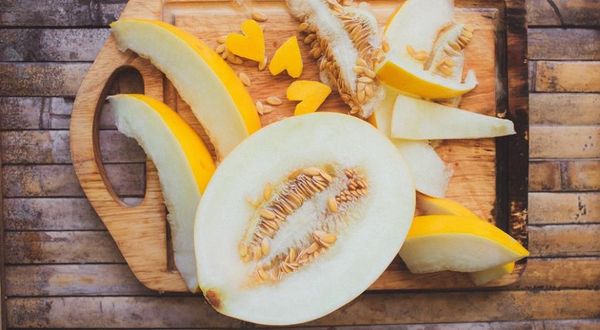
To check for ripeness, you can gently pry the skin off with your fingernail. If the skin peels off easily, you can safely buy the selected specimen. This method of selection is one of the most proven. It's easy to tell by its appearance which melon is ripe and which needs more time to ripen. However, other assessment methods (smell and sound) shouldn't be neglected.
Place of purchase and license
The final step in choosing the right melon is deciding where to buy it. Once ripe, you can purchase it at a market or store. In both cases, the seller must be licensed to sell this product, as well as have a quality certificate for the product. Avoid buying melons along highways and roads, as they will be very dusty.
Now you know how to choose a ripe melon. The key is to take your time and understand all the characteristics of the variety you're buying.
Video: How to Choose a Ripe Melon
This video will show you how to choose a ripe and sweet melon.