
How to properly form a melon in open ground
Content
When to form
The plot should be prepared in the fall: dig a shallow hole, about the size of a shovel blade, and use compost to fertilize the soil at a rate of 3-4 kilograms per square meter. It's important to remember that if the soil in your garden is predominantly clay-based, you should add river sand—about half a bucket per square meter.
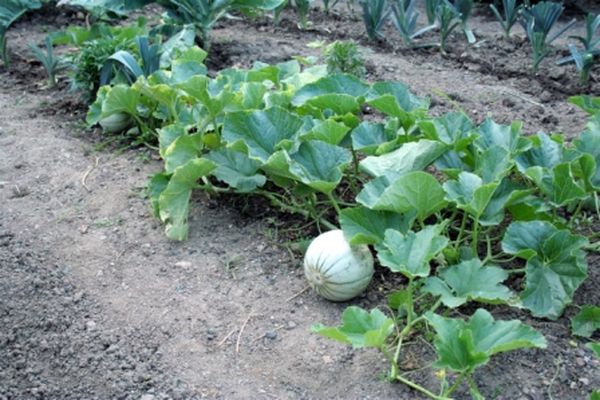
It's best to continue preparing the bed in the spring by digging the soil again and adding fertilizers containing potassium and phosphate. Fertilize according to the proportions specified on the package instructions. It's a good idea to add well-rotted manure and nitrogen-rich fertilizer just before planting. The next step is preparing the seeds and growing the seedlings. Seeds can be purchased at the supermarket or prepared at home. A good harvest will come from seeds that are at least three years old.
Peat pellets or pots are ideal for growing melon seedlings; cardboard and plastic cups are also suitable. Peat containers are great because they can be buried in the soil along with the seedlings. Over time, the peat will act as a natural fertilizer.
Basic methods
Several methods will help you train melons in open ground: trellis and spreading. Trellis (or vertical) cultivation requires the preparation of a wire frame. The frame is stretched at a height of two meters. The apical end of the wire rope should be tied to the frame. The lower end is suspended from the germinating melon, and the free vines are tied. According to recommendations, this process should be performed three to four days after planting.
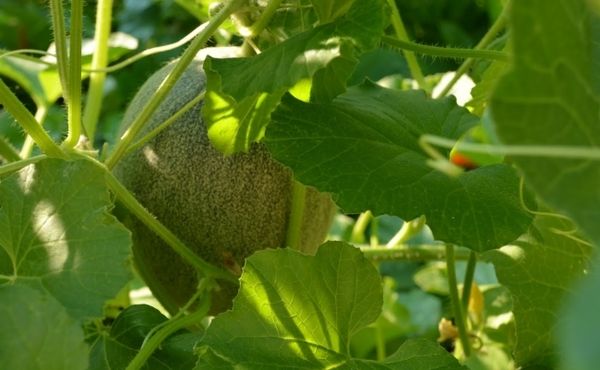
How to care for them properly? Full growth of the shoots begins only with time. This process involves wrapping the shoots around a rope. If the shoots are vertical, they receive significantly more light, which in turn leads to the formation of more fruiting branches. If you want to place the plants in spreading beds, you need to layer the soil with melons. This system does not require the construction of greenhouses or frames, as this shelter is made of ordinary film.
Formation scheme
Melons require shaping. This is done by pinching the apical growth points of the vines. If done correctly, nutrients will flow from the roots directly to the melons, not the vines. This will allow the plants to ripen earlier, and the melons will grow large and very sweet.
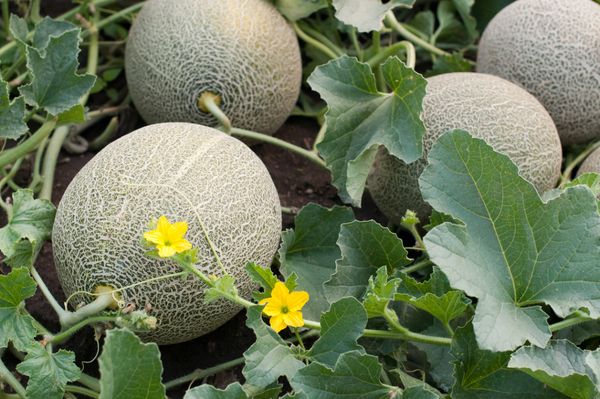
When planting melons in open ground, special attention must be paid to providing the plant with water, weeding the beds with a hoe, fertilizing with nutrients, and loosening the soil.
Don't expect a bountiful harvest if you don't pinch off the shoots with too many ovaries in a timely manner and remove the shoots without flowers, which drain the melon's energy and interfere with the formation of the bush.
Care before and after the procedure
Loosen the soil very carefully, as it's easy to damage the roots. Therefore, the soil should be loosened at a depth of 10 to 12 cm. The melon should be earthed up after the shoots have grown. Weed the plants as needed.
Watering the melon patch is especially important when growing melons outdoors. Without sufficient moisture, plants lose their ability to develop, set fruit, and flower. However, overwatering promotes fruit and vine rot, and melons lose their sugar content and retain a high water content. Observation is the best way to understand a plant's needs.
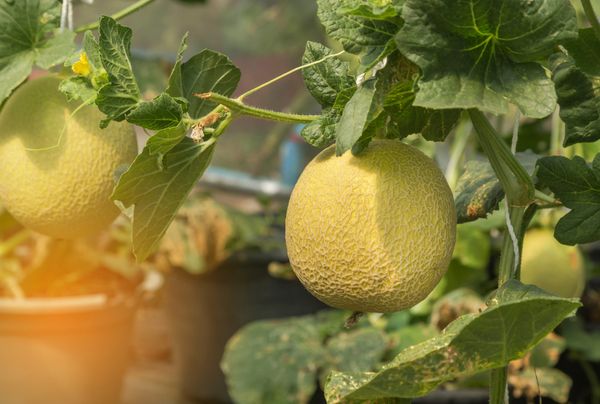
Melons grow in melon fields practically without water, so I create identical conditions for them. If dew is seen on the grass in the morning, watering is not necessary for that day. Water the melons carefully, between rows, to prevent moisture from getting on the melon leaves and vines.
After the plant has acclimated to the soil, pinch the stem above the seventh leaf. Repeat the same procedure with the side shoots, then remove all unwanted flowers. Leave three established fruits, spaced apart. Barren shoots should be removed to preserve the sap for the established fruits.
Video: Melon Formation
This video will show you how to properly shape a melon.