
How to ripen an unripe melon at home
Content
We determine the degree of maturity
It's easy to tell whether the melons in your garden are unripe or ready for harvest. If the melon has a strong, pleasant aroma and a smooth, evenly colored rind without any ridges, it's likely ripe. This fruit should have a characteristic honey or floral aroma. However, if the pleasant aroma is tinged with a hint of rot, the melons are likely overripe. A ripe pumpkin is also distinguished by a completely dry stem; if it's green, the melon is unripe. A melon is not yet ripe if there's no dull, characteristic sound when tapped.
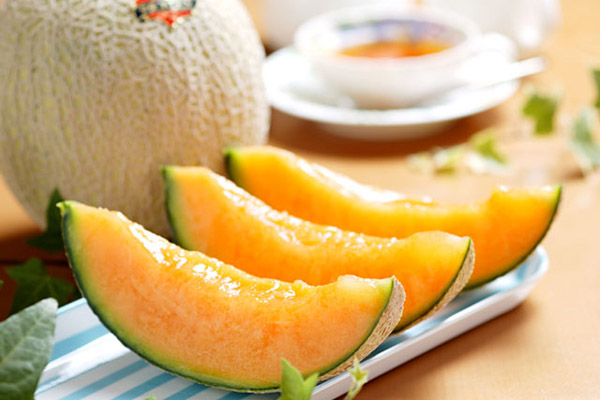
How to ripen a melon
Any gardener who's ever picked an unripe, albeit large, melon from the garden knows the feeling of immense frustration and disappointment. In reality, it's not that bad, and the fruit can still be saved: a melon picked from the garden will ripen safely at home, the main thing is to store it properly. Most melons can be stored for about six months, so a pumpkin picked prematurely will still have plenty of time to ripen.
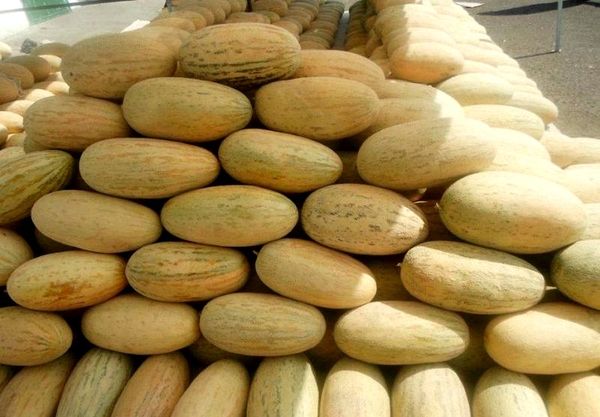
So how do you ripen a melon that was picked early? First of all, remember that only undamaged melon squashes can be ripened. Carefully inspect each melon, clean the skin of any dirt, but don't remove the stem—otherwise, the fruit will quickly begin to rot from that spot. Place the prepared squashes in a dry, well-ventilated place, ensuring they don't touch each other. Leave the melons in this state for about a week. However, if your melons are very green, this method won't work.
As a rule, only late-ripening varieties, such as "Torpedo," are ripened. This is because these melon varieties only fully develop their flavor after a short period of storage. The melons should be thoroughly cleaned and laid out on the ground, uncovered, for about two weeks. Remember to carefully turn each melon every four days to ensure each melon receives an equal amount of sunlight. However, you should protect the melons from rain: if precipitation is expected, the melons should be well covered or moved under cover.
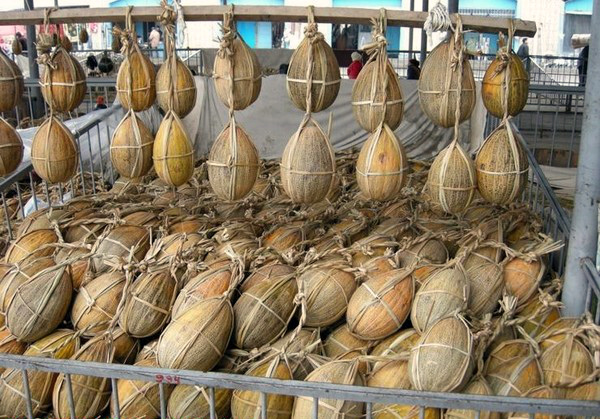
If you have a small number of melons to ripen, you can hang them in string bags or small nets. However, this should be done in a dark, dry, and ventilated area.
The ripening process is crucial for almost all late-ripening melons, as it's after they've been rested that they acquire the rich flavor we love so much. It's during this "rest" that all the vegetative and chemical processes occurring within the fruit are fully completed. That's why it's so important to let the picked melon rest for a few days rather than enjoying it immediately.
Video: "How to Increase Melon Yield"
This video will show you how to properly care for melons.