
Description of the most transportable melon variety, Idyllia
Content
Description and main characteristics
The Idyllia melon variety was bred in the North Caucasus half a century ago. It is a very vigorous plant with heart-shaped leaves. According to the Registered Variety Database, the Idyllia melon is described as a medium-bushy variety. The plant is bisexual. The fruits themselves are weakly segmented, spherical, and relatively large.
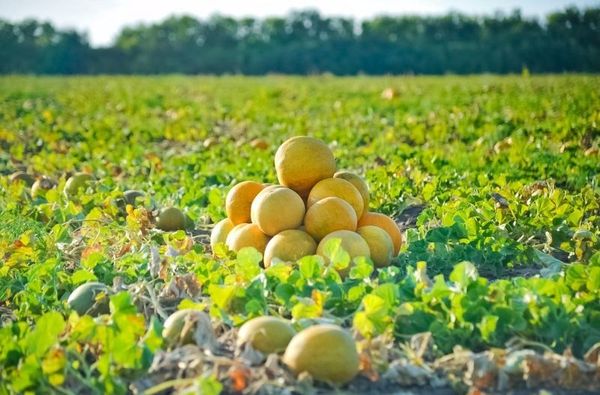
Yellow melons weigh up to 5 kilograms. The surface of the fruit has a continuous, interlocking pattern. The flesh is white-greenish and distinctly grainy. Juicy, tasty, tender, and very fragrant, it has excellent flavor and is widely used in the market.
Idyllia seeds are yellow and lanceolate. This variety is also considered a mid-late variety, with the seed-to-seed cycle taking approximately 80 days. One hectare of this crop can yield about 20 tons of harvest.
This variety tolerates low temperatures well and is also resilient to warm soil. However, prolonged drought can be detrimental to fruit formation and ripening. Therefore, pay special attention to watering Idilia. This variety is best planted outdoors only in southern regions. In northern regions, a greenhouse will be necessary.
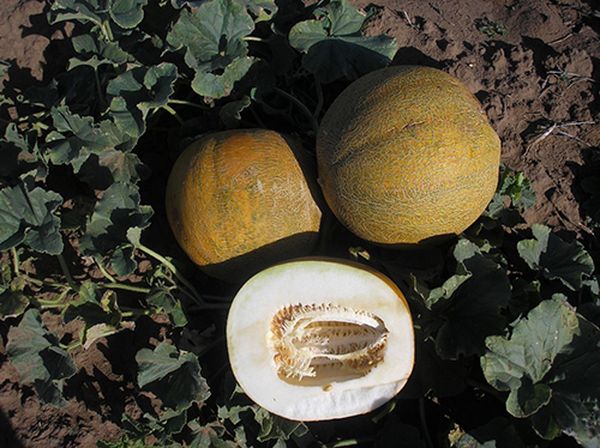
Another notable feature of this variety is its high resistance to various diseases. Among these, the most damaging to melons are powdery mildew, powdery mildew, and anthracnose. However, among the various pests of this crop, there are some to which this variety lacks sufficient resistance. Therefore, it's important to ensure timely pesticide treatments to ensure a bountiful harvest.
Features of agricultural technology
According to agricultural requirements, this variety's seeds are best sown in May during favorable weather conditions. The best precursors, after which Idilia grows especially well, are potatoes, legumes, or cabbage. The variety thrives in light, organically rich soils and requires moderate watering. In clayey, waterlogged soils, it is often affected by downy mildew.
Be sure to monitor the mineral nutrition of seedlings to control and prevent possible physiological disturbances, which usually lead to the fruits not gaining sweetness or size.
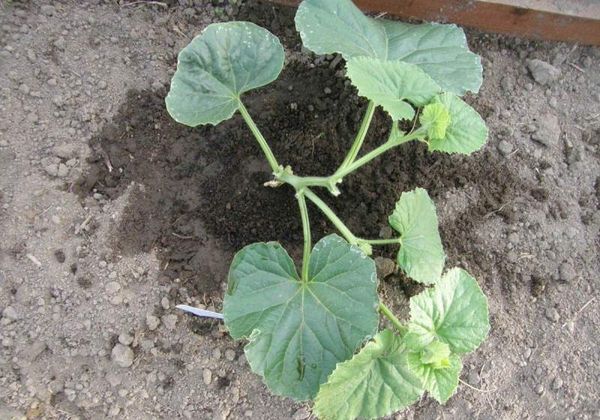
For plants over half a meter tall, it's recommended to remove all lateral shoots. This not only significantly reduces the strain on the plant, but also helps young fruits gain the necessary weight faster. To ensure a sweeter harvest, it's recommended to significantly reduce watering during the ripening period.
The variety is planted outdoors at a spacing of 140 x 100 centimeters. In greenhouses, the area can be reduced to a square with sides of 70 centimeters. Seeds are not buried deeper than 10 centimeters. Overall, one hectare can yield between 12 and 28 tons of melons. The harvest is collected in late August – early September.
Video: Growing Melons
This video will show you how to grow melons properly.