
Characteristics of the Uzbek melon variety Gulyabi
Content
Description
The Gulyabi melon variety is considered a late-ripening (fall-winter) variety, requiring approximately 130 days from germination to full ripening, even in hot, arid climates. Of all the Central Asian melons, Gulyabi is perhaps the sweetest and most aromatic, but its true flavor only develops several weeks after harvest. Thanks to this characteristic, the fruit can be stored and transported over long distances until spring without fear of spoilage. The appearance of Gulyabi melons varies depending on the variety.
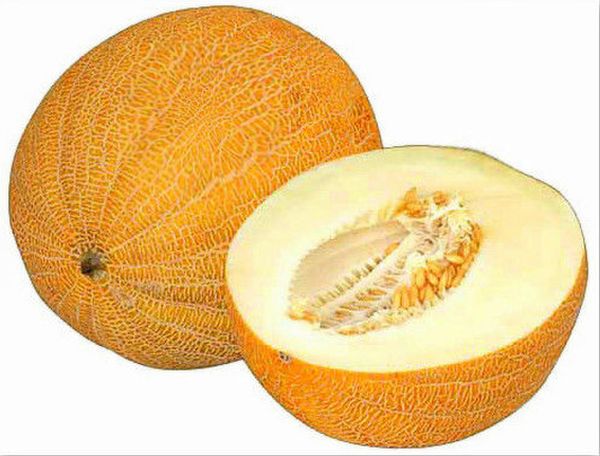
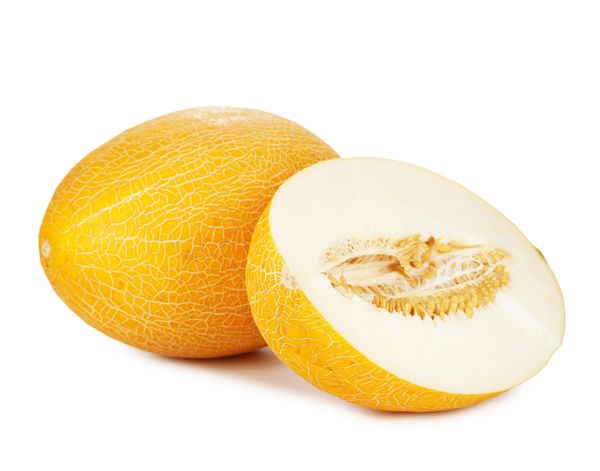
Some fruits have yellow or orange skin, while others are greenish or whitish. For example, the green variety has distinct stripes and a slight wrinkling on the surface, while the orange and yellow fruits are covered with an openwork mesh pattern. All melons of this variety have a roughly uniform elongated-ovoid shape and a fairly respectable weight – 4-8 kg, although in our region, if the fruits are successfully grown, they weigh no more than 3 kg.
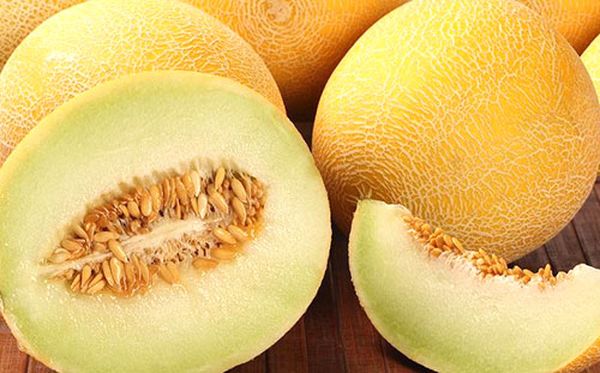
The flesh of all varieties is dense, very aromatic, crispy immediately after ripening, but over time it becomes tender and oily. The flesh is white; green melons may have hints of green under the rind. The flavor is delicious—honey-like, high in sugars and carotene.
Main varieties
Since the variety has been grown for a long time and in different regions, melon growers distinguish several varieties of Gulyabi:
- Chardzhou - this variety is distinguished by smooth fruits without a mesh pattern on the skin and juicy fibrous pulp with an excellent sweet taste;
- Chok is a fruit with a beautiful orange skin and sweet, slightly astringent pulp;
- Gulyabi 803 is a variety widely cultivated in Turkmenistan, distinguished by its bright yellow skin and sweet, very juicy, crispy flesh;
- Boswaldi (a type of green melon) – fruits of medium weight (3-5 kg), the skin is slightly wrinkled, with dark stripes, the flesh is white, slightly greenish closer to the skin, fibrous, very juicy and sweet;
- Sary-gulyabi – melons of this variety are recognizable by a large continuous mesh on a yellow-orange peel; the flesh is thick, oily, very aromatic, with a high sugar content.
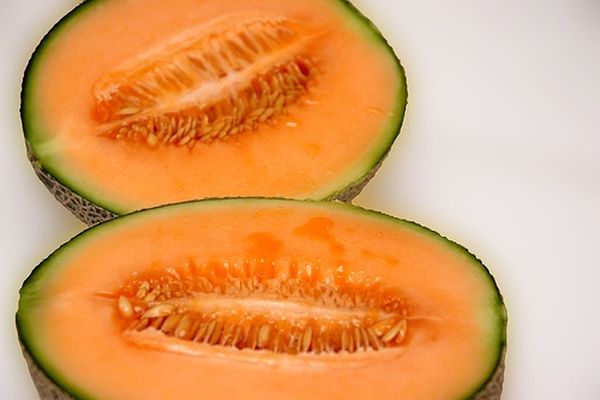
Uzbekistan has its own variety of Gulyabi melon, called "Orange," developed by breeders at the local Plant Growing Research Institute. These melons ripen slightly earlier, in 100-110 days, but are only ready to eat after several weeks of storage. The fruit's skin is bright orange, smooth, and the stem shows slight segmentation. The flesh is creamy or yellowish, very sweet.
How to choose a melon
Anyone living in hot, sunny Asia can easily determine the quality of a melon, but for us, choosing a good, ripe one isn't so simple. It's difficult to understand the variety of shapes, skin colors, and ripeness levels, but there are still a few general parameters and characteristics that can help. So, when choosing Chardjui melons, first pay attention to the aroma emanating from the skin – it should be sweet and distinct, indicating full ripeness. Next, pay attention to the stem. A quality melon will have a firm, slightly dried stem, and a grayish color (a greenish stem indicates the melon was picked too early and may be unripe).
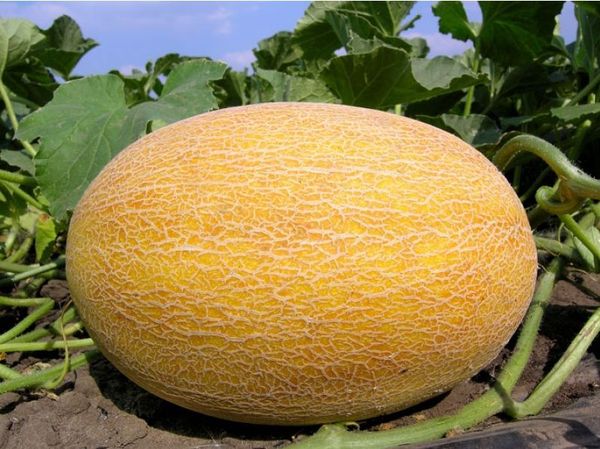
You should also inspect the fruit from all sides. There should be no dents or damage on the surface, and the skin should yield slightly when pressed with your finger.
External signs of melon ripeness include a uniform, rich coloring of the peel, although a lighter spot is allowed on one side facing the ground.
You can also determine ripeness by gently tapping the fruit. A ripe melon is said to produce a dull sound. Even if you haven't managed to find a ripe melon ready to enjoy right away, don't worry. Place the melon in a cool, dry place for a few days to allow it to ripen completely.
Advantages and disadvantages
When discussing the variety's benefits, the most important thing to note is the fruit's beneficial, even medicinal, properties. Among the wide variety of melons, the Gulyaba melon stands out for its high content of minerals and vitamins, particularly vitamin C, found in its pulp. It also contains a high amount of fiber, starch, carotene, and up to 20% easily digestible sugars, giving it a general strengthening and therapeutic effect. Furthermore, its long shelf life allows you to enjoy this tasty and healthy treat throughout the winter season, when the choice of natural fruits and vegetables is somewhat limited.
Another advantage of the "Gulyabi" variety is its wide range of culinary uses—not only are they used to make delicious sweets and desserts, but also hot dishes and even soups, a common practice in their native land. The only drawback is the difficulty in growing them, as they don't ripen fully in every climate. In temperate climates, melons are prone to frostbite, and this variety doesn't grow well in greenhouses, as the plants lack sufficient light and sunlight.
Video: How to Choose a Ripe Melon
In this video, you will hear useful tips on choosing ripe melons.