
Description of the Galileo melon with juicy pulp
Content
Description of the variety
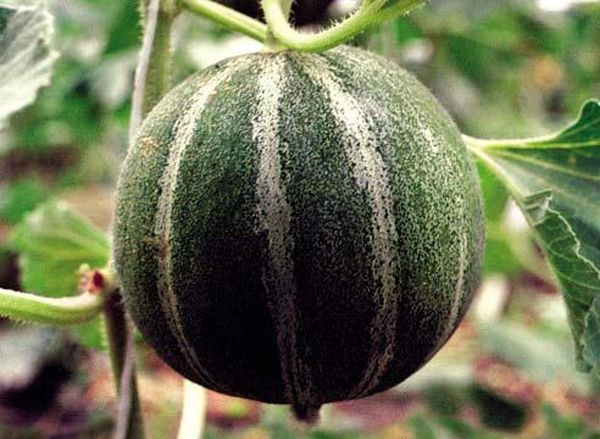
The Galileo melon is a first-generation hybrid, as indicated by the F1 symbol in its name. This melon has a very attractive appearance: a round shape, a soft, smooth skin, beneath which lies the aromatic, mouth-watering flesh. This melon weighs only 1–1.5 kg.
Main characteristics
One of the main characteristics of this variety is its resistance to slight temperature fluctuations, making it suitable for growing in cooler regions of Russia. Galileo melon is most often grown in Moldova and Ukraine, as the climate there is most suitable for it.
In addition, an important feature of the species is its resistance to diseases such as powdery mildew and downy mildew.
This variety is very popular among large farm owners due to its tough skin, which protects the fruit from damage. This makes Galileo an excellent choice for commercial cultivation. Its excellent commercial quality is also confirmed by its wonderful flavor.
Features of cultivation
The Galileo variety is intended for greenhouse cultivation. Planting should take place in May to early June, using seedlings.
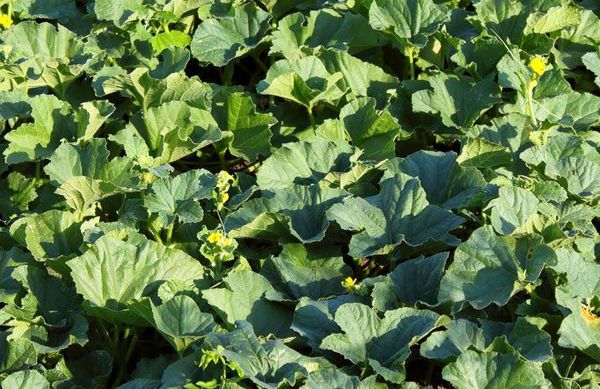
Seedling preparation usually begins in mid-April (the seeds need 30-35 days to germinate). The seeds of the future crop are soaked for 24 hours in a potassium permanganate solution, after which any that float to the surface are discarded, as they are empty. After this, the selected seeds are placed in small peat cups, planting them in the soil no deeper than 5-6 centimeters. After watering them generously, they should be stored in a bright room where the temperature does not drop below 15 degrees Celsius.
In just a week, the seeds will sprout. Please note: if you planted 2-3 seeds per cup, you should thin out the resulting sprouts.
By the 25th to 30th day, the seedlings are ready for transplanting into the greenhouse. To avoid damaging the harvest, try to wait until the last possible frost before transplanting. It's better to be on the safe side, and this will reduce the hassle of caring for the melons in the future.
Once the seedlings are ready, make sure the soil is suitable for the future fruits. Melons prefer light, nutritious soil rich in beneficial micronutrients.
As mentioned earlier, planting should begin in May or early June. Seedlings should be spaced 50–70 cm apart. Each plant will eventually produce 2–3 fruits, which should not interfere with each other's normal development.
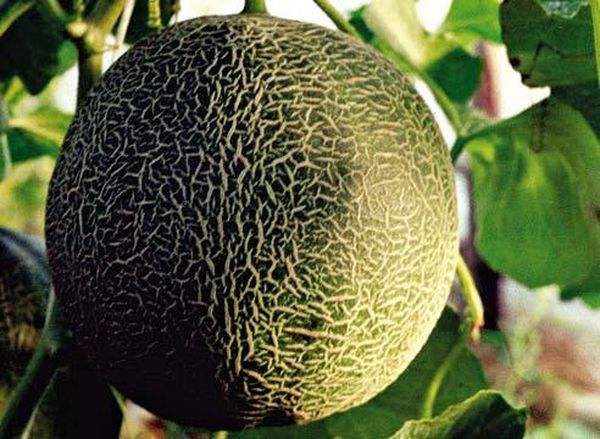
The Galileo F1 melon thrives in warmth and requires very high light levels. However, it does require moderate amounts of moisture. It's especially important to avoid overwatering during the fruiting period.
The Galileo melon variety ripens 80–85 days after planting, usually before the first frost. However, if you're growing this melon in northern regions of the country, where frosts arrive early, don't worry. It can ripen perfectly well after harvesting, provided you provide it with warm, bright storage conditions.
Don't forget about caring for the plant. Ensure side shoots are removed promptly and new growth is pinched. Additionally, regularly feed the melon with fertilizer containing mineral complexes. Experienced gardeners recommend doing this every 10 days.
With proper care and all the necessary conditions, you will get a wonderful harvest of fragrant and juicy fruits that will make a wonderful dessert on your table.
Video: Growing Melons
This video will show you how to grow melons properly.