
Melon is a berry, a fruit, or maybe a vegetable.
Description of the fruit
The sweet melon was first mentioned five to six thousand years ago on Egyptian reliefs as gifts presented to rulers. The melon's homeland is regions rich in similar plants. These include countries adjacent to Africa and India, namely Iraq, Asia Minor, Central Asia, Afghanistan, and Iran.
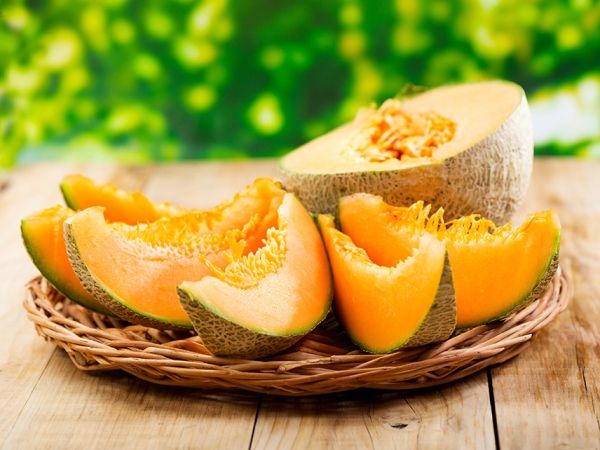
What is a melon? What family does it belong to? Melon belongs to the Cucurbitaceae family and the Cucurbitaceae genus. It is an annual plant with a stem structure. Its growth habits place it among the melons. The stem reaches two to four meters in length and, as it grows, uses tendrils to cling to other supports.
This plant's root system is highly developed, extending one meter into the ground and two meters above the surface. Growth slows significantly at four to five days of age, and renewal occurs following the emergence of a robust root system.
A single plant produces two to eight fruits, weighing between one and a half and ten kilograms. Fruitfulness depends on the choice of growing location and variety.
The variety is characterized by a spherical or cylindrical shape and a yellow, white, green, or brown color. The melon has bright green stripes that are easily visible on the soil surface. Full ripening takes two to six months.
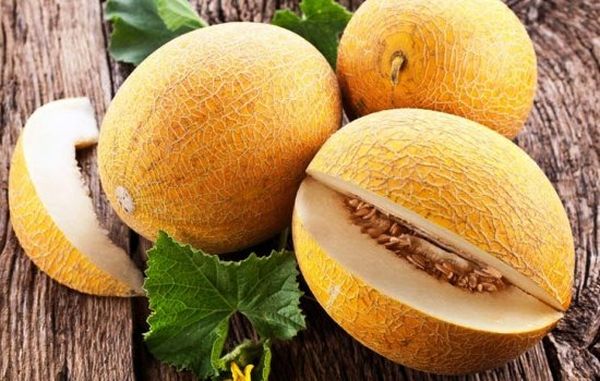
Melons are very demanding when it comes to growing conditions. For good development and growth, this demanding crop requires a combination of conditions, including bright light, dry air, moderate soil moisture, temperatures between 25 and 38 degrees Celsius, and adequate fertilizer.
Large leaf size in agricultural areas is considered to be a consequence of high evaporation rates. Table melon will not be able to withstand dry climate, which will lead to deterioration of the fruit quality.
The most suitable temperature conditions for growth start at 30 degrees Celsius. For cooler climates, breeders have developed frost-resistant varieties, with only one drawback: low sugar content. Salty soil and high humidity are unsuitable for growing this plant.
Fruit, berry or vegetable
Many say, "Melon is a fruit," citing its sweetness, juiciness, and unique flavor. Like other fruits, it contains a wealth of beneficial substances, including ascorbic and folate acids, iron, silicon, sodium, and magnesium.
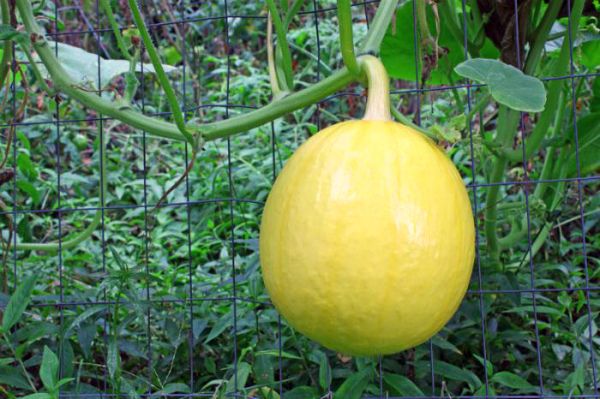
However, fruit trees rarely grow on bushes; this process often involves trees. Melons grow on the ground, as is typical for berries or vegetables. Their stems have a grassy texture, which is not consistent with fruit characteristics. Therefore, it's safe to say that melons are not considered a fruit.
Could this sweet fruit be considered a vegetable? Biologists offer a logical answer. It turns out that fruits that originate from herbaceous plants are considered vegetables.
A close relative of the melon is the Cucurbitaceae genus. For example, the Japanese have developed a non-sweet variety and eat it as a vegetable-based dish. Perhaps the melon is a vegetable, like the cucumber.
The third theory is that melon is a berry. After all, like all berries, it has juicy flesh, grows in soil, and has a delicate flavor. For example, many people think that the watermelon, which is close to the melon, is a berry. But is this true? Is melon a berry or a fruit? And why is watermelon a berry?
The final answer to the question "Is a melon a berry, a fruit, or a vegetable?" remains unsolved. This species is characterized by biological characteristics of both vegetables and berries. Thus, the duality of definitions stems from the desire to label melon as either a pumpkin (a vegetable) or a pseudoberry (a berry).
Video: How to Choose the Right Melon
This video will show you how to choose the right tasty fruit.