
Description of the early ripening melon variety Dune
Content
Description of the variety
According to the description registered in the General Registry of Varieties, the Dune variety possesses characteristics favorable for outdoor cultivation. It is frost-resistant and preserves well for a long time. Furthermore, it is not damaged during transportation, and the melons do not crack. The variety is also known for its resistance to a range of major melon pests. Notably, grafted varieties are more resistant to adverse environmental factors, as well as diseases and pests, than ungrafted varieties.
Reviews of this variety are mostly positive due to the excellent presentation of the fruits, wonderful aroma, taste, and also the relative ease of growing them.
Main characteristics
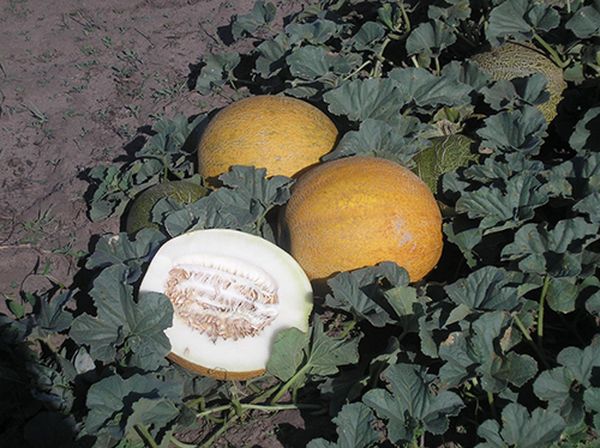
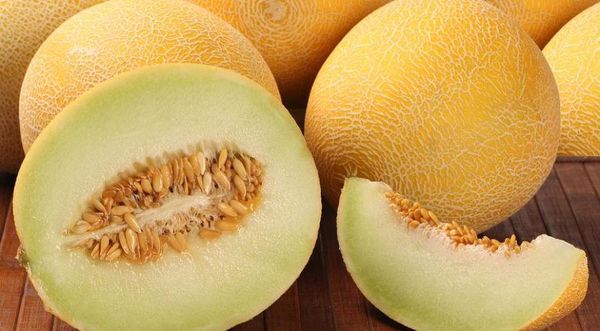
This variety is a medium-sized plant. The leaves are large and heart-shaped. The flowers are mostly bisexual, although male flowers are also present. The fruits are elongated, oval, and smooth, dark yellow. The bark is covered with a continuous mesh. The bark is flexible, allowing the pumpkin to maintain its integrity even when mechanically damaged. The average fruit weighs about 3 kilograms, but with proper cultivation practices, melons can reach 4.5–5 kilograms.
The flesh is white, not very dense, juicy, and slightly grainy. The Dune variety is notable for its flavor. The pumpkins are very sweet, aromatic, and juicy. The weight of one thousand seeds ranges from 43 to 51 grams.
The variety is early ripening; the entire melon development cycle takes about 60 days. The variety is resistant to rot and other diseases and exhibits excellent transport characteristics. With proper care, 25 tons of yield can be harvested from one hectare. This figure can be reduced by up to half if all prescribed agricultural standards and practices are not followed.
Features of agricultural technology
It is recommended to sow this variety in May, when the soil has warmed up sufficiently. Soil temperature should be around 15 degrees Celsius at a depth of up to 10 centimeters. Treating the seeds with a potassium permanganate solution will protect them from seed-borne infections. After treatment, it is recommended to rinse the seeds with water. Sowing should be done at a depth of up to 4 centimeters.
In garden plots, planting seedlings is often practiced. However, planting at this stage of the life cycle occurs somewhat later than sowing from seeds. Seedlings are planted in the ground at the three true leaf stage only after the danger of frost has passed.
The best predecessor crops for the Dune variety are green manure crops such as legumes, brassicas, and potatoes. In open ground, plant in a 140 x 100 cm grid, while in greenhouses, use 70 x 70 cm squares. In the latter case, trellis support is recommended. During the growing and maturing period, watering, loosening the soil, and fertilizing with fertilizers and pesticides are essential.
Video: How to Grow a Melon
This video will show you how to grow your own melon.