
What diseases are melons susceptible to and how to combat them?
Content
Downy mildew
Downy mildew is a fungal disease characterized by the appearance of yellow-green spots on melon leaves. Spotting and rust appear early in the plant's development and progress rapidly. Over time, a gray coating appears on the melon leaves, a sign of fungal sporulation.
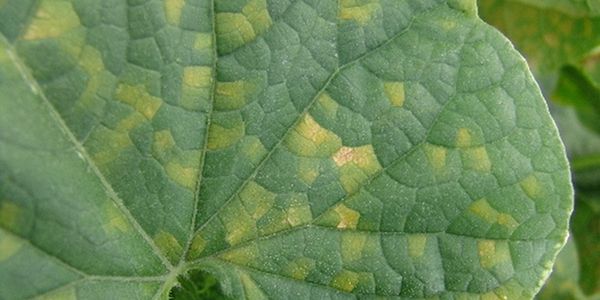
What can I do to prevent downy mildew from appearing on my melon?
Methods for preventing downy mildew include heating the seeds in a thermos for 2 hours at a temperature of 45 degrees and treating them for 20 minutes in a 1% solution of potassium permanganate.
If the disease does strike the plant and the leaves are rapidly turning yellow, use a urea solution and Bordeaux mixture. You can then apply products such as Topaz and Oxychom, following the dosage instructions on the packaging.
Powdery mildew
This is the most common disease of melon crops, and it's essential to be aware of its symptoms. If small white spots appear on the stems and leaves of the melon, it's time to sound the alarm. Avoid the active phase of powdery mildew, when the leaves curl, dry out, and sometimes even turn dark brown.
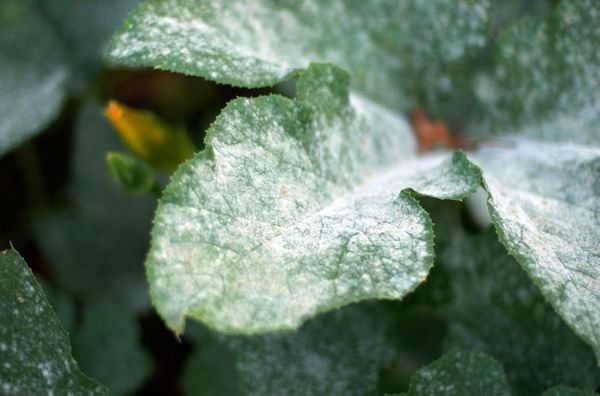
Every gardener has heard at least something about crop rotation. Following these rules is the best way to prevent diseases—even powdery mildew won't harm your seedlings.
It's important to remember: melons and gourds should not be planted in the same place as zucchini, potato, eggplant, or melon seedlings. Radishes, tomatoes, and dill are the best predecessors.
What should you do if you haven't managed to protect your melon from this disease? Powdery mildew is a rapidly spreading disease, so as soon as you notice the first spots, don't hesitate to treat the plant with a sulfur solution.
The melon garden is prohibited from being cultivated 3 weeks before harvesting.
Fusarium
Fusarium wilt is another fungal disease that affects mid- to late-ripening melons. It can appear when the seedlings have only 2-3 true leaves or during fruit ripening. Melon leaves wilt, turn yellow, and become covered with gray rust. The plant can die completely within a week, and even if the melon is saved with chemicals, the fruits will no longer be as sweet and juicy, and the yield will be significantly reduced.
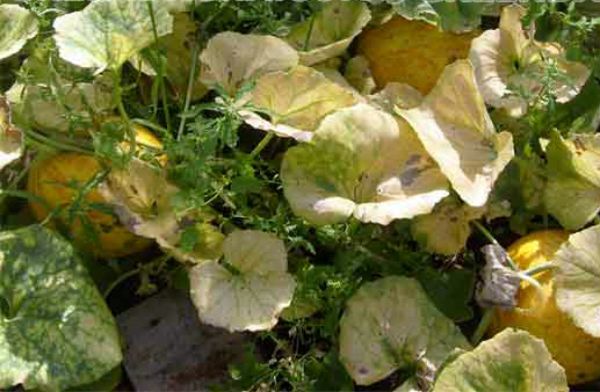
As with powdery mildew, the best prevention method is proper crop rotation. Fungal diseases develop in the soil, so planting melons in the same location as their close relatives will inevitably lead to wilting.
If symptoms of fusarium do appear, use phosphate or potassium preparations.
Anthracnose
Anthracnose, also known as "copperhead," causes yellow or pinkish-brown, rusty spots to cover the leaves, which then become brittle and dry out. Fruit also becomes deformed and rots.
Anthracnose can be prevented by completely removing plant debris from the planting site. Anthracnose is treated with Bordeaux mixture and sulfur solution. These measures should be taken at the first signs of the disease.
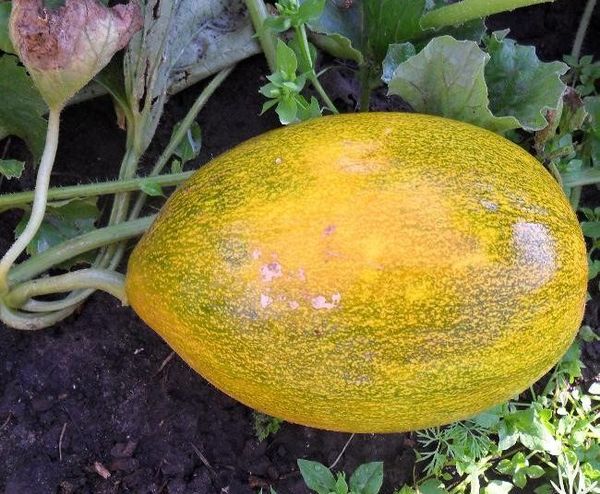
Root rot
It attacks the weakest plants. Their roots and stems become covered in rust, turning brown. After this, the cotyledons and leaves dry out, and the plant dies. Disinfecting the seeds in formalin before planting will protect your melon from root rot.
Don't ignore melons that show signs of yellowing, rust, or rot. Negligence and carelessness in these cases will result in the loss of the entire harvest.
Video: "Increasing Melon Yield"
This video will show you how to increase your melon yield.