
Description of the small hybrid melon Pineapple
Description of the variety
Today, the Ananas variety has many subspecies and hybrids. Some of these were created by crossing with another variety, the Temryuchanka variety. The Ananas melon is adapted to growing in warmer regions. This variety has limited frost resistance. Overall, it is considered a mid-season variety—the harvest can begin as early as 65 days after planting.
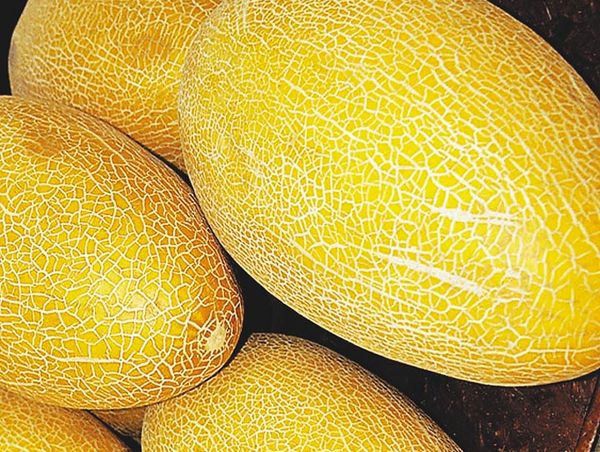
All varieties share a rich pineapple flavor, elongated oval-shaped fruits, and weighing up to three kilograms. Some varieties are quite resilient to adverse environmental conditions. All hybrids are characterized by a high degree of immunity to the pathogens of multiple diseases of this crop - late blight, coletotrichium and podosphaera, which causes powdery mildew.
Characteristic
The characteristics of this variety vary greatly depending on the hybrid type chosen. Currently, there are at least four popular hybrids: Pineapple Gold, American Pineapple, Pineapple Americano, and Sweet Pineapple F1.
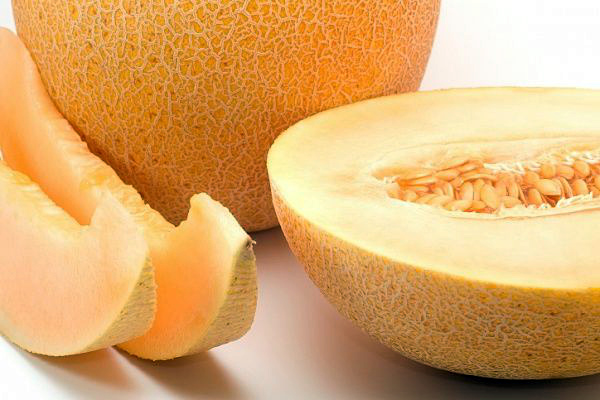
The Ananas Americano melon is characterized by frost resistance and high yields. This is a very distinctive early-ripening mini-hybrid melon with fruits up to 400 grams. The rind of this variety is rich yellow with colorful vertical brownish stripes. The flesh of this hybrid is white, juicy, even watery, with a distinctive pineapple aroma.
This hybrid is often confused with the American pineapple in literature. Despite the similar names, these are two completely different species. The American pineapple is very cold-hardy, and its fruits weigh up to 2.5 kilograms. The skin can be greenish or creamy beige. The skin is quite thin, with a lacy pattern, which makes it difficult to transport these fruits. The flesh is creamy with a greenish tint near the skin.
The Sweet Pineapple F1 hybrid is suitable for both greenhouse and open ground cultivation. The fruits are slightly smaller than those of the previous variety, rarely exceeding 2 kilograms. They are round in shape with a yellowish, rough skin and a characteristic gray-brown or greenish netting. This early-ripening variety is characterized by a rich, sweet flavor and a strong pineapple aroma.
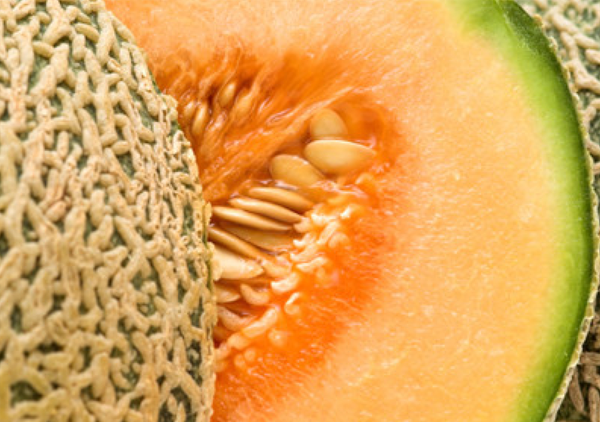
The Pineapple GOLD variety is a near-classic version of the Ananas cultivar. It's a mid-season variety with a sweet flavor and reddish flesh. The skin is greenish with a distinctly bumpy texture.
Landing
Regardless of which hybrid you choose, before planting, all Ananas hybrid melon seeds are soaked for 12 hours in a warm solution of fungicides and growth stimulants. They are then rinsed. In open ground, sow using a 140 x 50 spacing scheme, while in greenhouses, use a 70 x 40 spacing scheme. In all cases, it is recommended to use plastic film or gliders. Seedlings can be seen within a week after sowing, and the protective film can be removed after ten days.
If you are growing melon as seedlings, it is recommended to plant them in open ground after the threat of possible frost has completely passed at the stage of 3 true leaves.
Care
For normal development, this crop requires regular loosening, hilling, and fertilizing. Weeding is performed several times (3-4) during the growing season. After the seedlings develop lateral shoots, it is recommended to hill the plants. To speed up ripening, you can pinch off the growing points. This should be done on the 4th, 5th, or 6th leaf, and after 6 ovaries have formed, pinch off all the growing points.

Watering should be done with warm water at the base of the plant once a day. During the flowering period, it is recommended to reduce this to once every few days. Fertilizing with a mixture of mineral and organic fertilizers a couple of times a year is recommended. Don't forget about mandatory treatments against melon pests and major diseases.
Video: Planting Melon Seedlings
In this video you will hear useful tips on planting melons.