
Growing the Aikido hybrid melon variety
Content
Description and characteristics
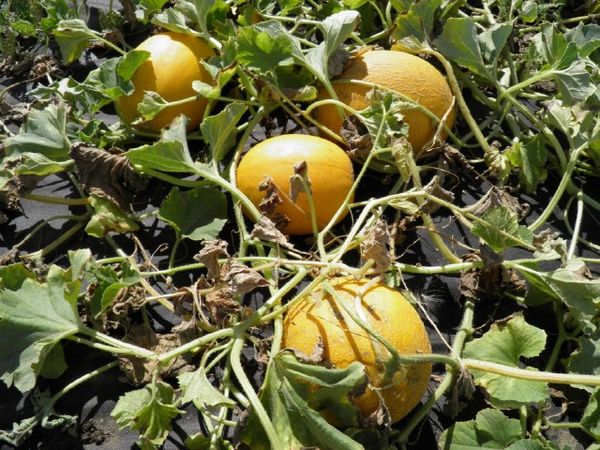
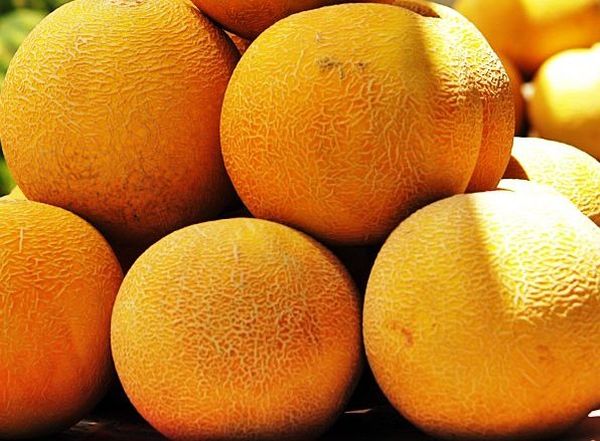
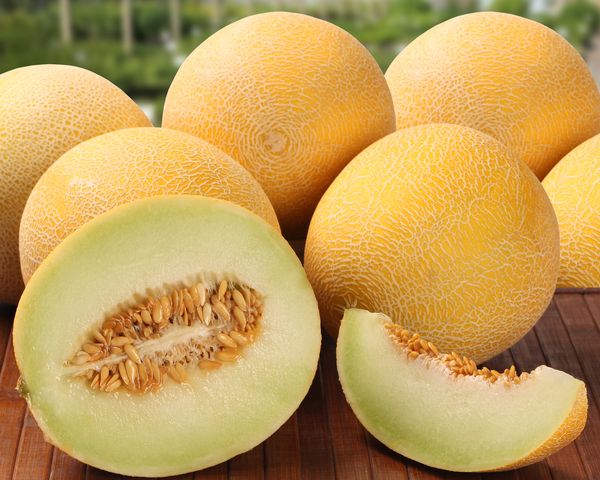
The Aikido melon is a hybrid of the Galia group of varieties. As a first-generation hybrid, it was designated F1. The fruit itself is small, weighing approximately 2 kg, and has a spherical shape. A ripe melon is covered with a bright yellow, dense rind, and its flesh is sweet, aromatic, and firm. According to chemical analysis, the sugar content in the pulp is approximately 10-13%.
Soil preparation and planting
Melon planting takes place in mid-May – early June. Aikido is grown both in greenhouses and in open ground. Planting can also be done in two ways: from seedlings or directly into the ground. While these methods can vary, gardeners most often choose the following:
- for northern latitudes – growing seedlings in greenhouses;
- for southern latitudes – growing from seeds in open ground;
- For the Central zone of Russia, in the event of the establishment of consistently warm weather, transplant pre-grown seedlings into open soil.
Let's consider all three options in more detail.
If you've decided to grow melons from seedlings, you should first prepare the soil for the pots you'll be planting the seeds in. You can purchase a special soil mix or dig some soil from your garden bed and mix it with ash, peat moss, and compost.
After this, prepare the seeds. Soak the melon seeds in water for 12 hours. Discard any seeds that float to the surface, as they won't sprout. If you want to harden off your plants, you can leave the dried seeds in a place where the temperature doesn't exceed 1-3 degrees Celsius for two days.
How do seeds get planted? The seeds are placed in peat pots with soil pre-filled to a depth of 1–2 cm, after which the pots are placed in a warm, well-lit area.
Future seedlings need to be watered once a week. When you see the plant's first leaves appear, begin hilling them up. Do this carefully to avoid damaging the seedling's fragile root system.
In addition, many gardeners recommend feeding young shoots with fertilizers containing mineral complexes.
In any case, you should start sprouting the seedlings strictly one month before planting, that is, around April 20th.
If the climate in your area allows you to plant seeds directly into the ground, you should do so as follows:
- First, pay attention to the soil temperature – it should not be less than 20 degrees.
- It's recommended to plant seeds 15 cm apart, with at least two meters between rows. The Aikido melon has a spreading network of vines and large leaves that can block sunlight.
- After planting, you should trample down the holes and then water them once a week.
- The crop should be fed with fertilizers once every 12 days, and hilled up once every 15 days.
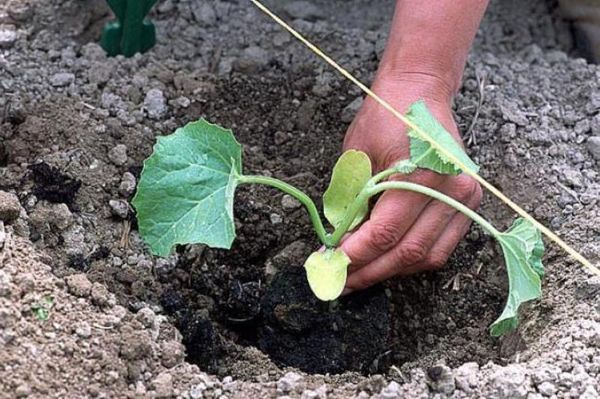
The third planting option is the same as the first, but the seedlings are first planted in a greenhouse and then, a month later, in open ground.
Features of cultivation
Melons can be grown either outdoors (if your garden is in a warm climate) or indoors. In both cases, ample light is essential, so make sure your greenhouse or plot is in a well-lit area. Furthermore, the Aikido variety's large leaves can also shade the fruit.
The cultivation description for the second option is as follows:
- Peat pots with seedlings are planted in a greenhouse at a distance of 50–70 cm from each other and to a depth of no more than 15 cm.
- After this, water the plant with room-temperature water. Water regularly, making sure not to allow the soil to dry out.
- Don't cover the watered plant tightly with soil - just sprinkle it with humus or peat.
- Fertilize your melon every 15 days.
As for open ground, after planting the seeds and sprouting, the procedure is the same as for greenhouses. However, it's worth remembering that young plants don't tolerate cold well, so for safety, you can cover them with plastic at night.
Besides the main growing points, the issue of vine placement should be mentioned. As melon grows, it forms vines that can be left horizontal or trained to grow vertically.
Leaving the vines on the ground is not recommended, as watering will dampen the soil and cause the vines to rot. It's best to tie them to poles installed near the plants. In a greenhouse, the vines can be tied with string to the wooden slats in the room.
As for pollination, it's best to do it naturally. In open soil, this will happen naturally, but in closed soil, simply open the greenhouse door and let the pollinating insects in.
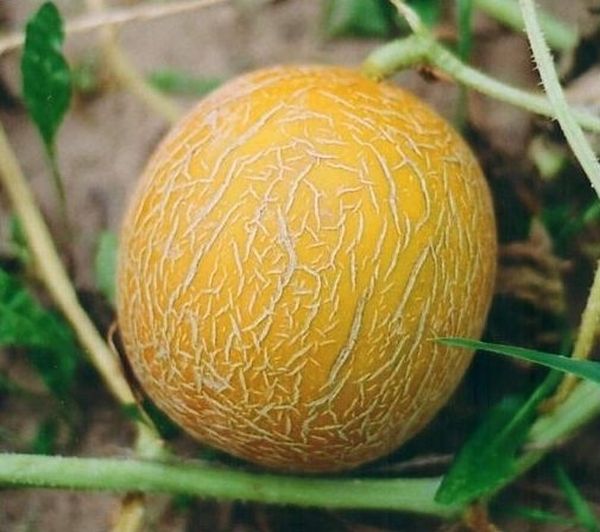
You will know the fruit is ripe when the skin color suddenly changes from greenish to bright yellow, and the base of the melon should become soft.
Advantages of the variety
The Aikido melon has a number of undeniable advantages over other varieties. Firstly, breeders have developed a hybrid resistant to powdery mildew and fusarium. Secondly, it ripens quickly and is compact in size. Most importantly, the Aikido melon has excellent taste.
Video: Growing Melons
This video will show you how to grow melons properly.