
What are the benefits of cranberries, possible harm and contraindications?
Content
- 1 Composition and caloric content of berries
- 2 Video: "The Benefits and Harmful Properties of Cranberries"
- 3 Useful and medicinal properties
- 4 Medicinal recipes from cranberries
- 5 Application in cosmetology
- 6 Cranberries in Cooking: What to Cook, How to Prepare, and Store
- 7 Possible harm and contraindications
Composition and caloric content of berries
Small, round or oblong cranberries with a deep burgundy skin contain a complex of vitamins and minerals. These tart, bitter, and slightly sour fruits are rich in ascorbic acid (vitamin C), as well as vitamins A, K, B1, B2, B6, B9, and E. A small handful of cranberries contains a huge amount of beneficial micro- and macronutrients: iron, calcium, phosphorus, iodine, potassium, magnesium, sodium, manganese, and copper. Zinc, chromium, nickel, cobalt, silver, tin, boron, rubidium, and titanium are also present in smaller percentages.

Chemical composition and energy value of cranberries
The seeds of ripe cranberries contain polyunsaturated fatty acids, and the berries themselves are rich in catechins, tannins, phenolic acids, and antioxidants. Citric, succinic, malic, benzoic, oxalic, quinic, chlorogenic, and oleanolic organic acids were discovered during a study of the chemical composition of cranberries.
Despite such a rich and varied composition, these dark-burgundy berries are low in calories. The energy value of the product (per 100 g) does not exceed 25–30 kcal.
Video: "The Benefits and Harmful Properties of Cranberries"
This video provides a detailed description of the medicinal plant.
Useful and medicinal properties
This berry, whose chemical composition includes almost half of the periodic table, has a wide range of effects on the human body. The fruits of this forest medicine plant have general tonic and immunomodulatory properties. They effectively reduce elevated body temperature and actively fight the pathogens that cause infectious, viral, and cold-related diseases. Cranberries lower cholesterol, normalize blood pressure, purify the blood, eliminate heartburn, and improve appetite.
Cranberries have been scientifically proven to help fight the formation and development of cancer cells. They can be recommended for those diagnosed with breast, colon, and prostate cancer.

Berries have a beneficial effect on the human body.
For women
Women who have always been meticulous about their appearance use cosmetic masks made from cranberries mashed to a pulp to remove freckles and pigmentation.
The medicinal product is prescribed for pathologies of the female genitourinary system and inflammatory postpartum processes.
For men
The plant's special enzymes inhibit the development of bladder disorders in men. Cranberry effectively relieves acute forms of prostatitis and also has a beneficial effect on potency.
For children
What are the health benefits of cranberries for children? Cranberry juice quenches thirst and improves a child's appetite. The berries, steeped in boiling water, strengthen children's immune systems and help them fight viruses and bacteria.
Cranberries are not recommended for young children. If a child is under 3 years old, do not introduce this berry into their diet.
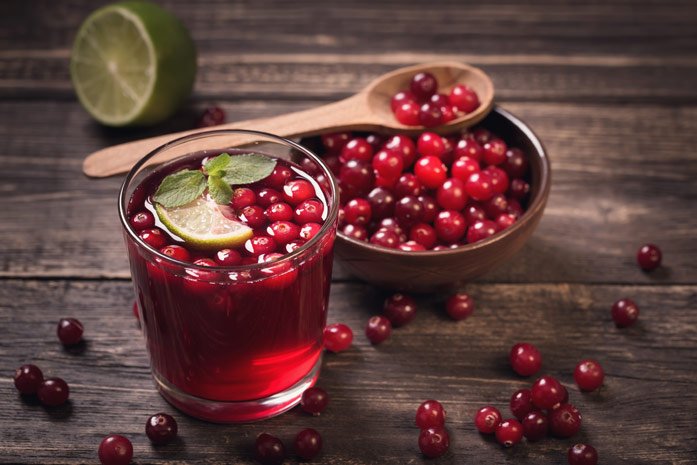
Berry juice improves a child's appetite
Medicinal recipes from cranberries
Cranberry is widely used not only in folk medicine but also in evidence-based medicine. After studying the patient's medical history and examining them, the "medicinal remedy" may be recommended for acute viral respiratory infections, iron deficiency anemia, cystitis, cardiovascular disorders, and other conditions.
With weakened immunity
A berry infusion with "magical" properties will help eliminate signs of vitamin deficiency and strengthen the immune system.
So, add a handful of fresh cranberries to 250 ml of boiled water. Let the mixture steep for several hours, strain, add a small amount of honey, and drink several cups daily.
Those with a sweet tooth prefer this vitamin-enriched drink: berries mashed with sugar should be poured with boiling water, steeped, cooled, and drunk instead of tea.
For colds
In most cases, colds and various strains of flu are accompanied by a fever. To prevent dehydration during a fever, drink plenty of fluids.
Boil 1 liter of water. Pour the boiling water over 1 cup of berries, bring to a boil, cool, and strain. Take this remedy 3-5 times a day.
For tonsillitis
Cranberry juice can help relieve the acute pain of a sore throat. Freshly squeezed cranberry extract is mixed with beetroot juice, vodka, and honey in a 1:1:1:1 ratio. The mixture is infused for 2 to 3 days and then consumed 1 tablespoon an hour before each meal.
When you have a sore throat, you don't always want to or can't wait for the herb to steep. Berry juice diluted with water (1:1) relieves acute pain.
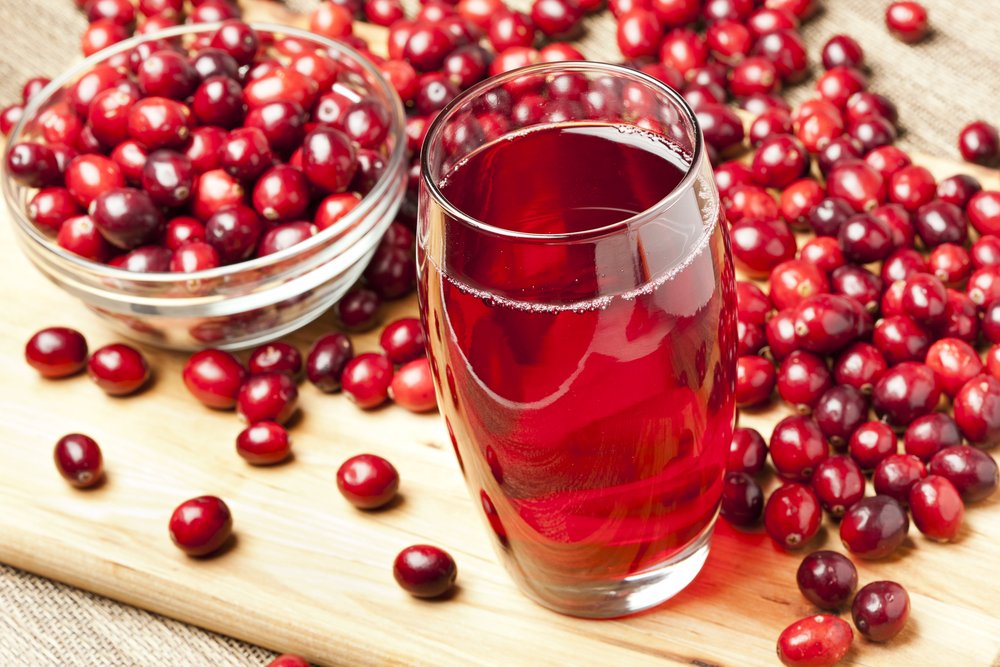
For sore throat, it is recommended to drink freshly squeezed berry juice.
For hypertension
For those with high blood pressure, there's a special drink made from berries (1 cup), granulated sugar (125 ml), and water (250 ml). All ingredients are mixed, brought to a boil, cooled, and strained. The finished drink is drunk as tea diluted with boiling water.
For cystitis
Drinking freshly squeezed juice daily (at least 1 glass) helps with cystitis. The drink has disinfectant, diuretic, and anti-inflammatory properties.
For joint diseases
For joint problems, it's recommended to steep a mixture of cranberry and garlic juice (5:2) for 24 hours. Honey is added for flavor. Take 1 teaspoon of this "medicine" three times daily before meals.
Application in cosmetology
Cranberry-based masks, scrubs, and infusions are used in cosmetology. Crushed in a wooden mortar, the berries are applied to the face and décolleté to remove dead skin cells and improve skin condition.

A cranberry-based cosmetic mask eliminates dry skin.
A homemade lotion (100 ml of boiled water, 1 cup of cranberry juice, and 1 tablespoon of glycerin) is used to normalize the skin's moisture balance. A mask made from freshly squeezed juice diluted with boiled water (1:1) will help get rid of acne and pimples.
Cranberry infusion is used as a hair rinse. This homemade cosmetic product makes hair silky and manageable.
Cranberries in Cooking: What to Cook, How to Prepare, and Store
Berries can be picked several times during the season. Harvested in early spring are sweet but low in vitamins and health-promoting minerals. The most valuable harvest, however, is that collected after the first autumn frosts.
Store the harvested crop in a cool, dark place. Cranberries retain their original properties and qualities for 2–3 months.
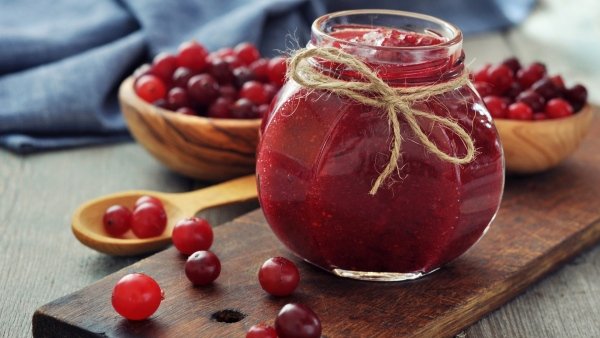
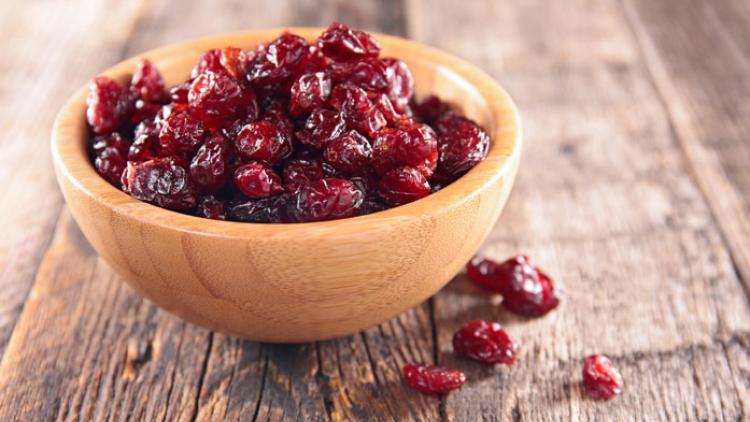
The uniqueness of cranberries lies in their versatility. Once ripe, they can be eaten fresh, dried, or even frozen. The slightly tart, bittersweet berries are used to make sauces, marinades, dressings, compotes, juices, and fruit drinks. Frozen cranberries are used in confectionery for cakes, berry pies, and other desserts with interesting flavors.

Possible harm and contraindications
Any plant can be both beneficial and harmful. People with intolerances to medicinal plants and their components should exercise caution. Those prone to allergic reactions are also at risk.
As for absolute contraindications, cranberries are prohibited in a number of cases:
- for gastritis, peptic ulcer and gastric erosion;
- in case of erosion of the duodenum;
- in acute and chronic pathologies of the liver and kidneys, including urolithiasis;
- in the acute stage of pancreatitis and gout;
- for uterine bleeding and other acute pathologies of gynecological etiology.
Cranberry juice in concentrated form destroys tooth enamel, so people with weakened enamel should consume this product with extreme caution.
Remember that any herbal treatment should only be undertaken after consulting a doctor. Incorrect dosages of such medications can sometimes have counterproductive effects. Drink cranberry juice, tea, infusion, or decoction in moderation.