
27 Most Famous Plants with Red Berries: Names, Descriptions, and Photos
Content
What are the benefits of red berries?
In botany, berries are fruits with juicy flesh and thin skin. They grow primarily on shrubs and herbaceous plants, and much less frequently on trees. Fruits can be black, yellow, orange, white, blue, red, etc. The skin color depends on the plant species and cultivar.
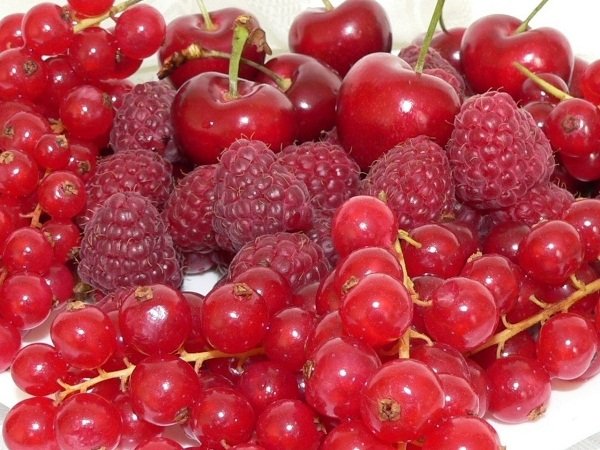
Berries contain pectin, antioxidants, organic acids, vitamins, and minerals essential for the human body. Moreover, berries often have negative calories, making them a safe addition to your daily diet when trying to lose weight. Scientists claim that red fruits are beneficial for health. Their rich vitamin and mineral content strengthens the immune system, increases the body's resistance to infections and viruses, and normalizes the functioning of internal organs and systems.
Video: "Red Berry and Its Benefits"
This video presents some fruit and berry crops that are beneficial for the human body.
List of healthy wild berries
The value and benefits of wild berries have long been known; they are even used in conventional medicine and modern pharmacology. They come in black, blue, light blue, green, and red varieties. The latter are considered to be the richest in antioxidants.
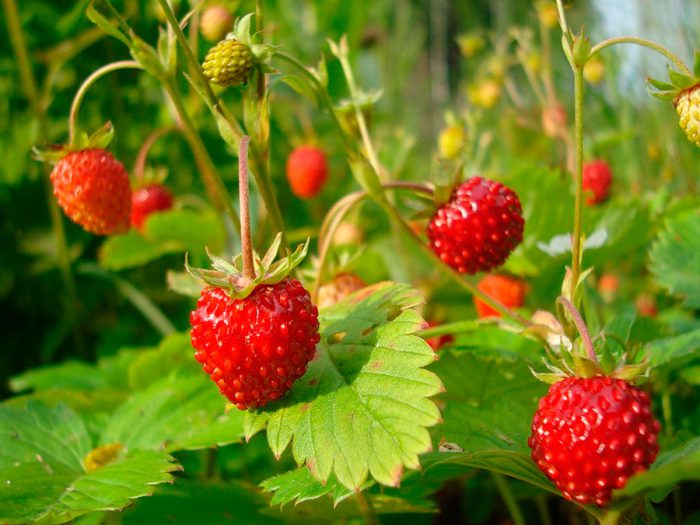
Strawberries
The herbaceous strawberry crop loves sunlight and is not demanding in terms of growing conditions.
Strawberries contain various vitamins and minerals, making them widely used in cosmetics and medicinal products. Their benefits in treating anemia have been scientifically proven.
Viburnum
The small berries, with thin red skin, have a slightly tart, slightly bitter flavor. They are often used in folk medicine to prevent and treat colds and viral illnesses. Freshly squeezed viburnum juice is helpful for sore throats and ulcers in the intestines and stomach.
Cotoneaster
Cotoneaster is an evergreen or deciduous shrub widely used in landscape design and home gardening. Most varieties and cultivars are drought and frost resistant and undemanding in terms of soil and light conditions.
Popular red-fruited species and varieties of cotoneaster in gardening include Dammer, Alaunsky, common and multi-flowered.
Krasnik
Red rhododendron bushes prefer marshy areas, deciduous, spruce and fir forests, where a lot of moss grows.
The glossy, bright red berries have a characteristic sweet-sour taste. Their aroma is distinctive. Due to their unpleasant aroma, krasniki are rarely eaten fresh. Juice diluted with water and honey is recommended for normalizing blood pressure and removing harmful substances from the body.
-
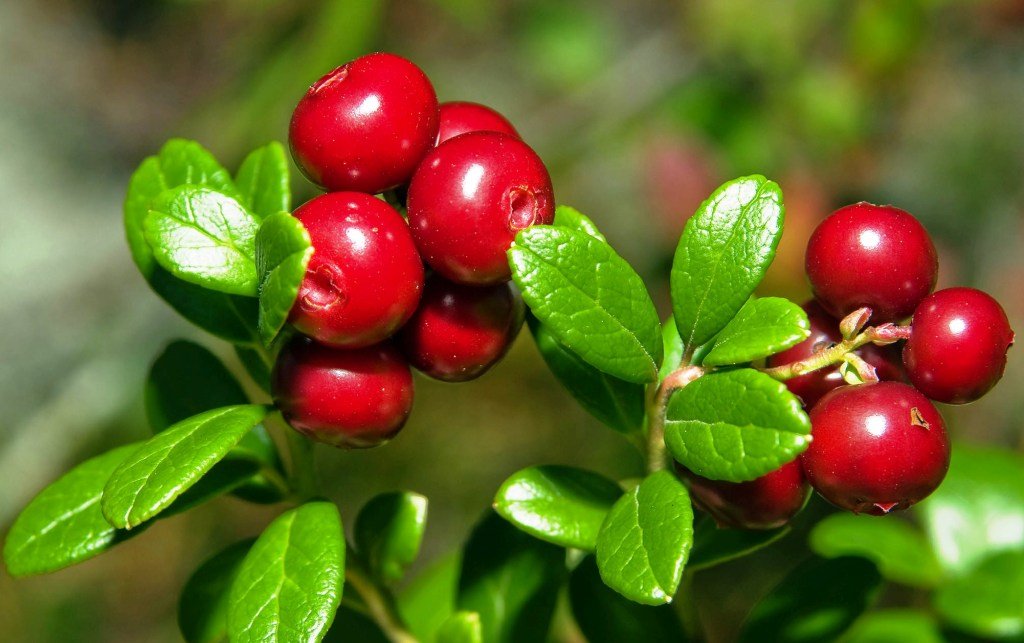
- Krasnik
-
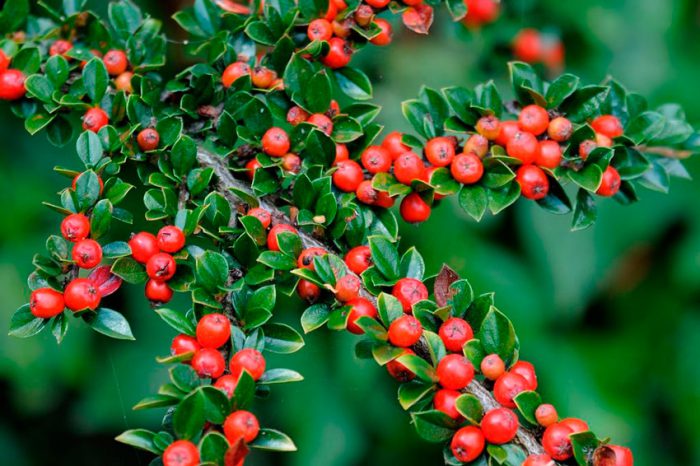
- Cotoneaster
-
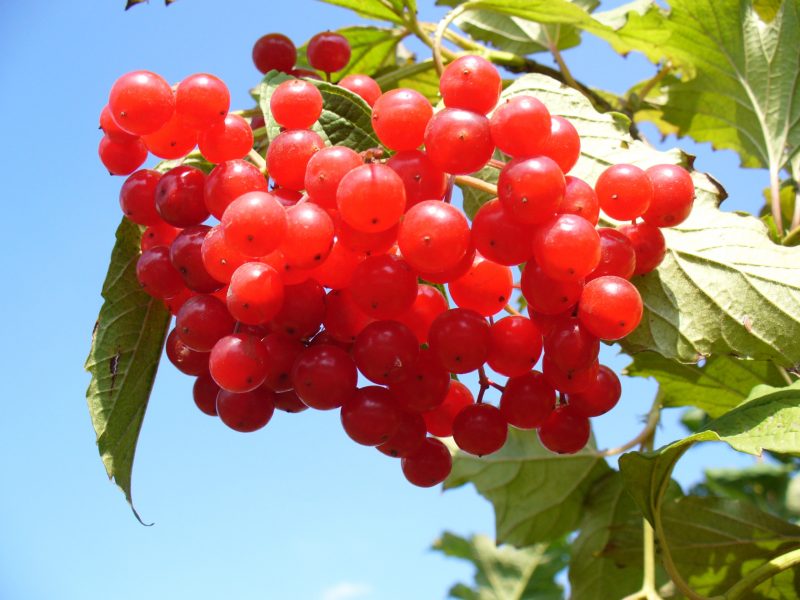
- Viburnum
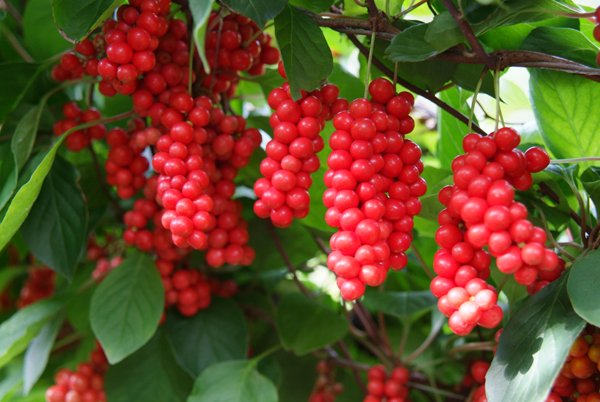
Schisandra
Schisandra's distinctive feature is its spherical berries with a distinct lemon aroma. However, the fruit's flavor is unpleasant: it has a sour, bitter note. It can be used in cooking to make various beverages, including homemade wines.
Rowan
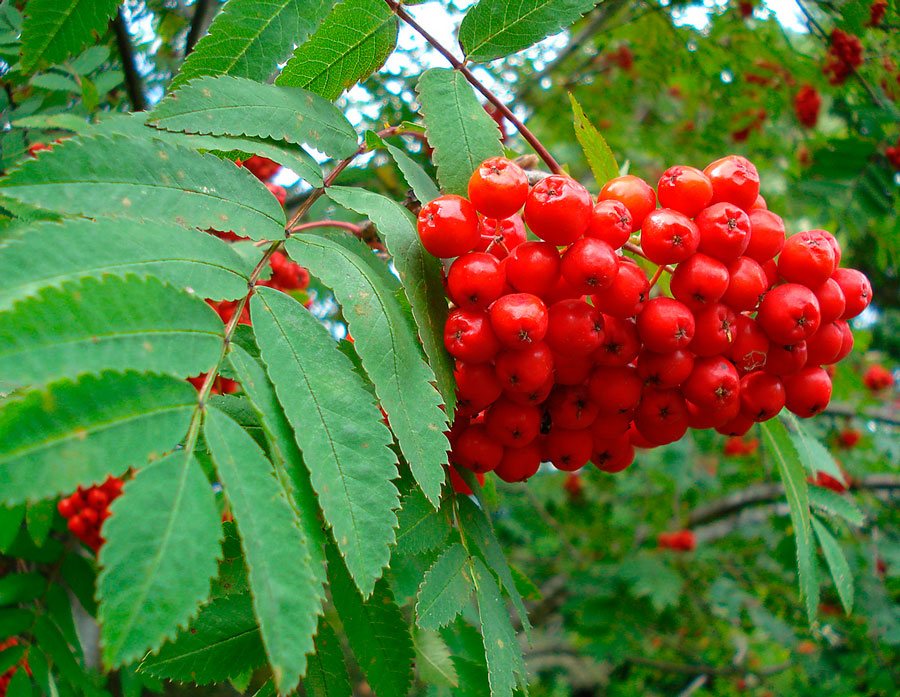
Red rowan is highly valued for its decorative qualities and beneficial properties. Rich in phytoncides, rowan berries can be used to normalize hormonal balance and strengthen the nervous system. They are often used as a hemostatic, diaphoretic, and laxative.
Yew
The yew conifer is characterized by slow growth. For this reason, the plant is often used to form hedges and landscape sculptures in city squares and parks. During the fruiting season, small orange-red berries appear on the tree's branches.
Rose hip
The benefits of rose hips are endless. Rich in vitamins, minerals, tannins, organic acids, phytoncides, and essential oils, the fruit is widely used in folk and evidence-based medicine. Infusions and decoctions strengthen the body and help combat the signs of vitamin deficiency, prevent anemia, and diseases of the liver, kidneys, and urinary tract.
-
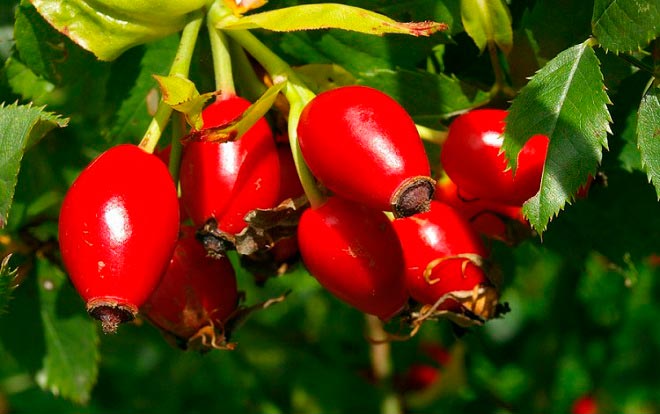
- Rose hip
-
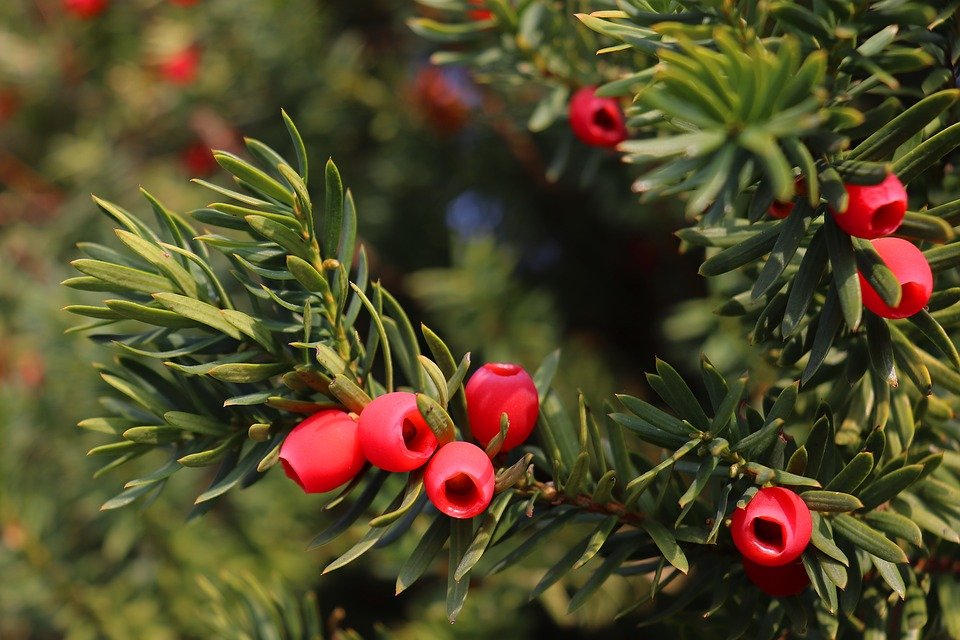
- Yew
-
- Rowan
Northern berries
Many people mistakenly believe that most types and varieties of fruit and berry crops can only be grown in regions with warm climates. We present to you some popular northern berries.
Cranberry
According to scientists, cranberries are the leader among berries in terms of vitamin and antioxidant content. These bright red berries are rich in vitamins A, C, K, PP, B1, B2, B3, B6, and B9. They are used to treat decreased physical and mental performance. They support the immune system, increase resistance, and effectively combat many viral and infectious diseases.
Cranberry is an effective folk remedy used to prevent the appearance and spread of cancer cells.

Stone berry
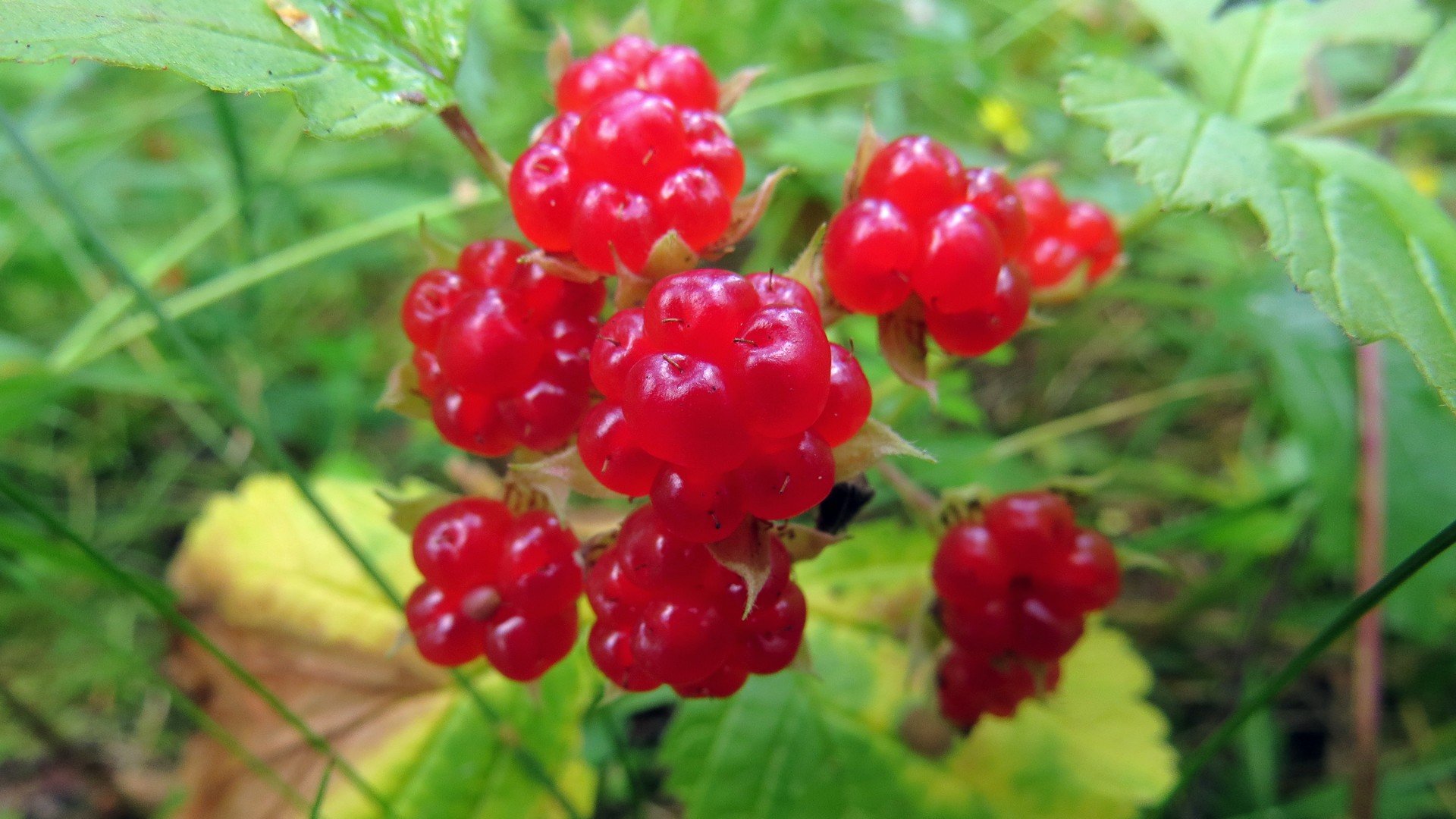
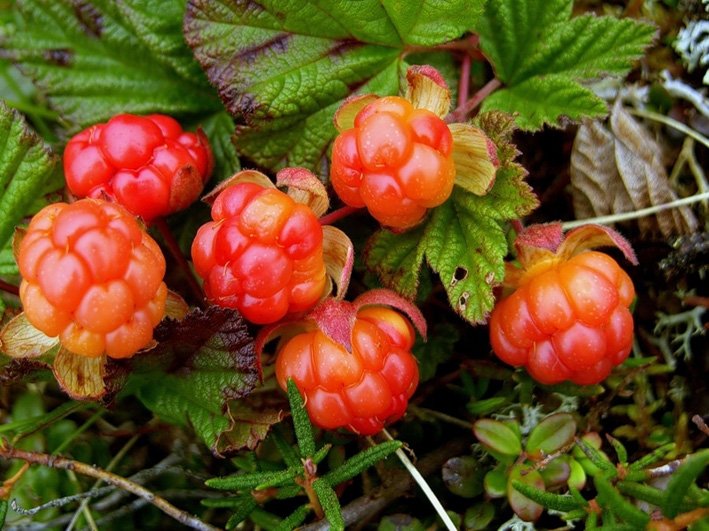
Raspberry-like berries, called cloudberries, are recommended for the prevention and treatment of acute respiratory viral infections. They also help with anemia, migraines, and vitamin deficiencies. Cloudberries are widely used in cooking to make and decorate confectionery.
Cloudberry
Few people know that cloudberries contain large amounts of vitamins A and C. This small red-yellow berry is significantly healthier than carrots, lemons, or oranges. Cloudberries have wound-healing, regenerative, antiseptic, and anti-inflammatory properties. They effectively fight cancer cell growth and have a beneficial effect on the cardiovascular system.
Southern fruit and berry crops
The southern regions are richer in a variety of fruit and berry crops. The most common red-fruited plants in the south include:
Watermelon
The largest berry crop is the watermelon. It contains large amounts of vitamins A, C, E, PP, B1, and B2, as well as minerals and other nutrients. However, the caloric value of the product is only 38 kcal per 100 g.
This diuretic product promotes the rapid elimination of fluid, waste, and toxins from the body. It effectively combats anemia and heart defects, and also restores reproductive function in men.
Barberry
Unpretentious in climate and soil, barberry is often used in landscaping around homes and parks. The shrubs are planted as hedges and borders.
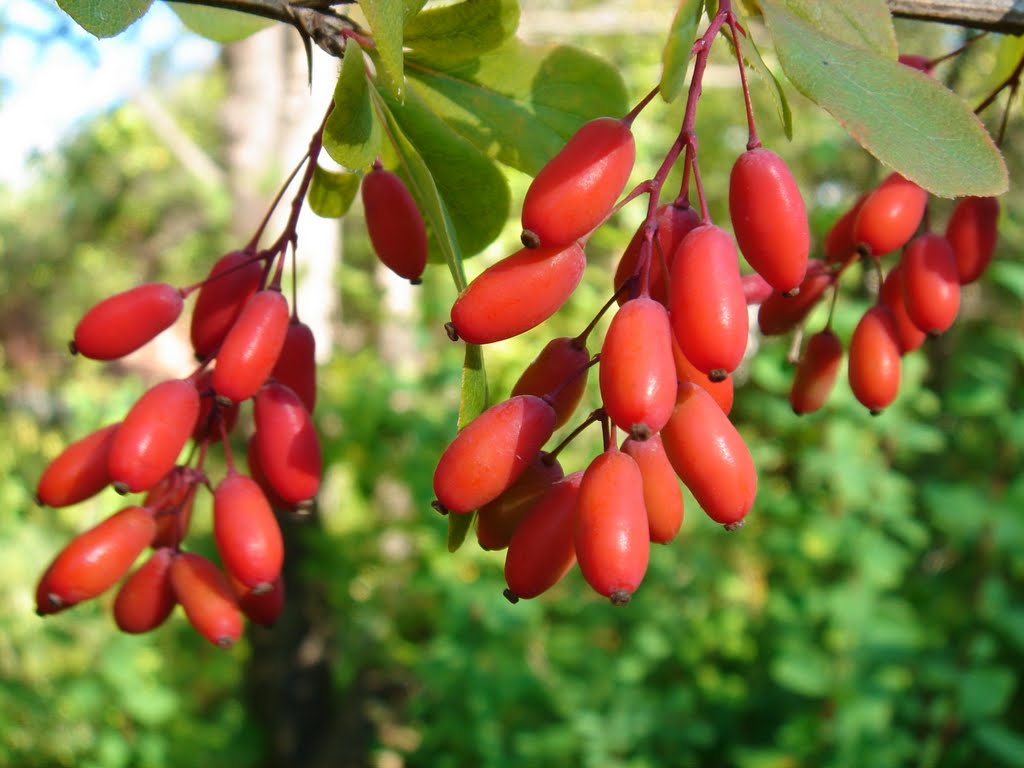
The oblong, red berries contain beneficial carbohydrates, vitamins, and various micro- and macronutrients. Barberry has hemostatic, disinfectant, anti-inflammatory, antispasmodic, antipyretic, and antitumor properties.
Gumi
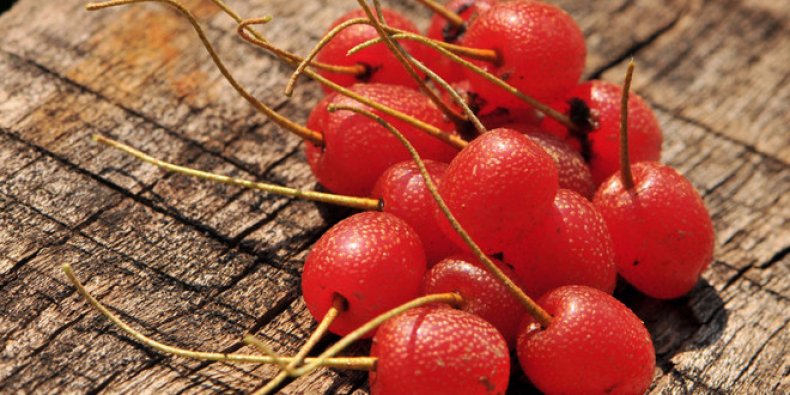
The gumi fruit and berry bush is a tall plant. The average height is 2 meters. During the fruiting season, the bush is literally covered with oblong red berries. The sweet and sour fruits are used to prevent and treat diseases of the heart, blood vessels, and digestive system.
-
- Gumi
-
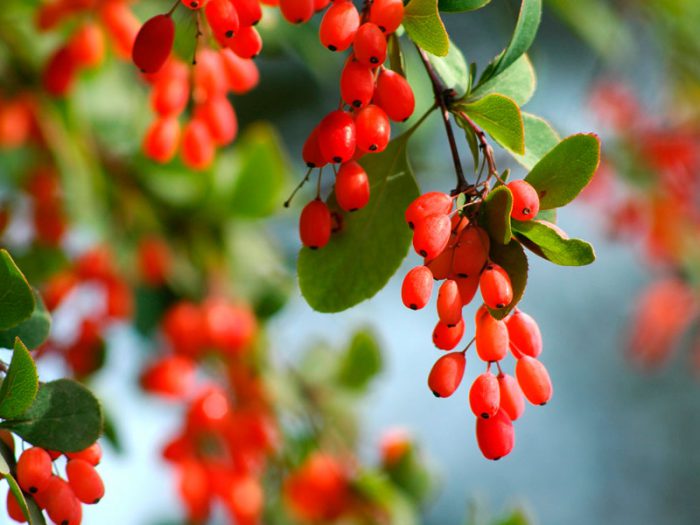
- Barberry
-
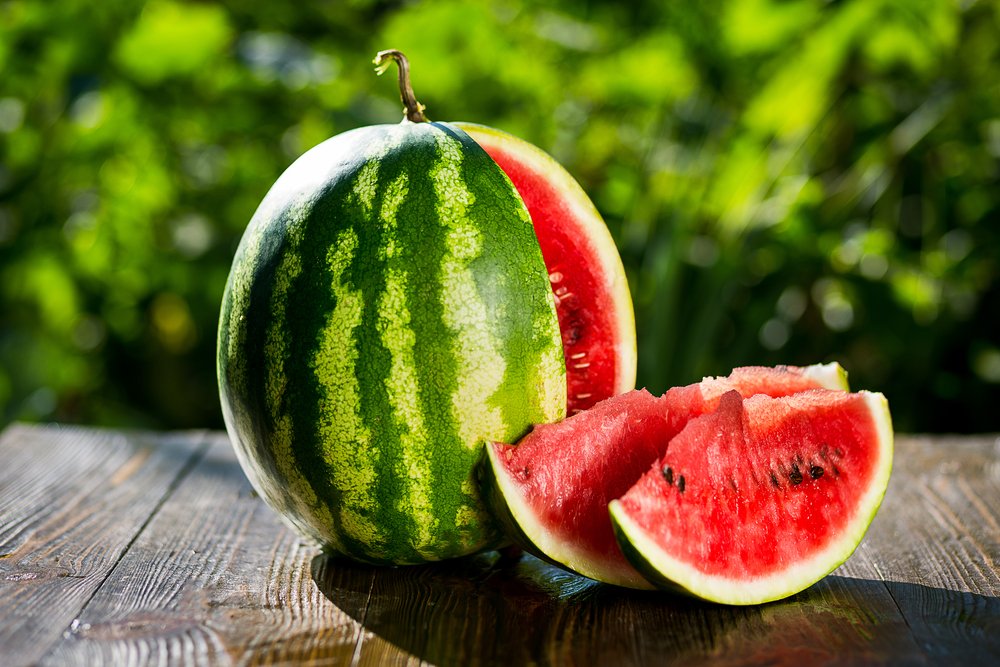
- Watermelon
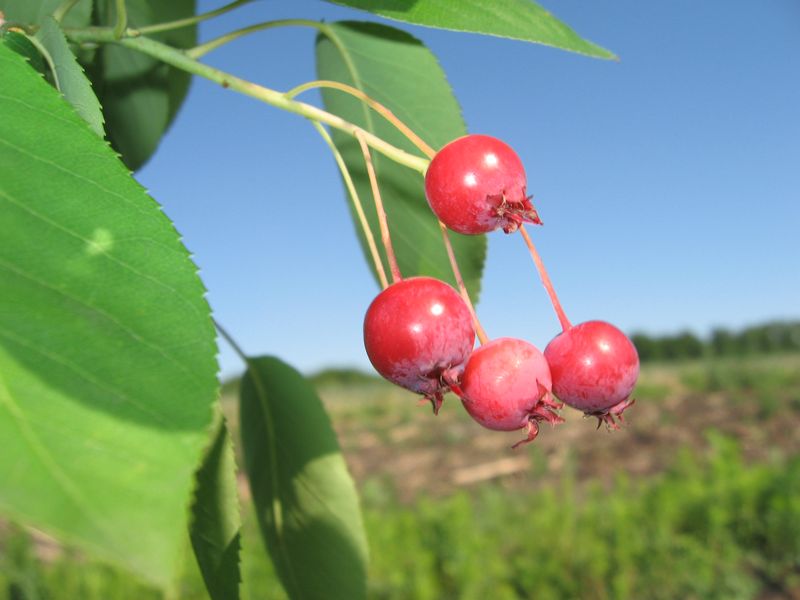
Irga
The small, reddish-purple berries of the chokeberry are widely used in cooking to make desserts, sweets, and alcoholic beverages. Furthermore, traditional medicine practitioners recommend chokeberry juice for treating throat ailments, preventing heart attacks, and preventing vitamin deficiency.
Serviceberry seedlings are often planted along fences and hedges to form beautiful hedges.
Horticultural crops
Our list wouldn't be complete without garden varieties. Let's look at the most popular red-berry fruit crops in gardening.
Hawthorn
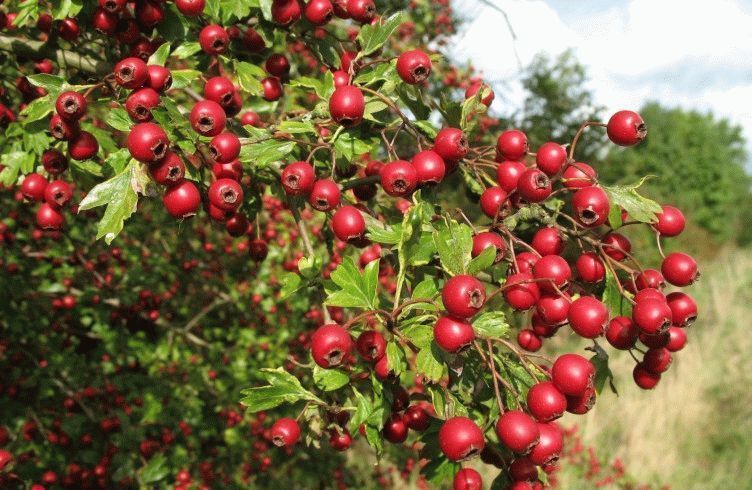
Hawthorn's benefits are invaluable in the treatment of cardiovascular diseases. Hawthorn berries are used in both folk and evidence-based medicine. The plant is effective in treating hypertension, tachycardia, angina, cardiac arrhythmia, and atherosclerosis.
The red berries are also used in cooking and home cosmetology. The beautiful shrubs are used for landscaping.
Grape
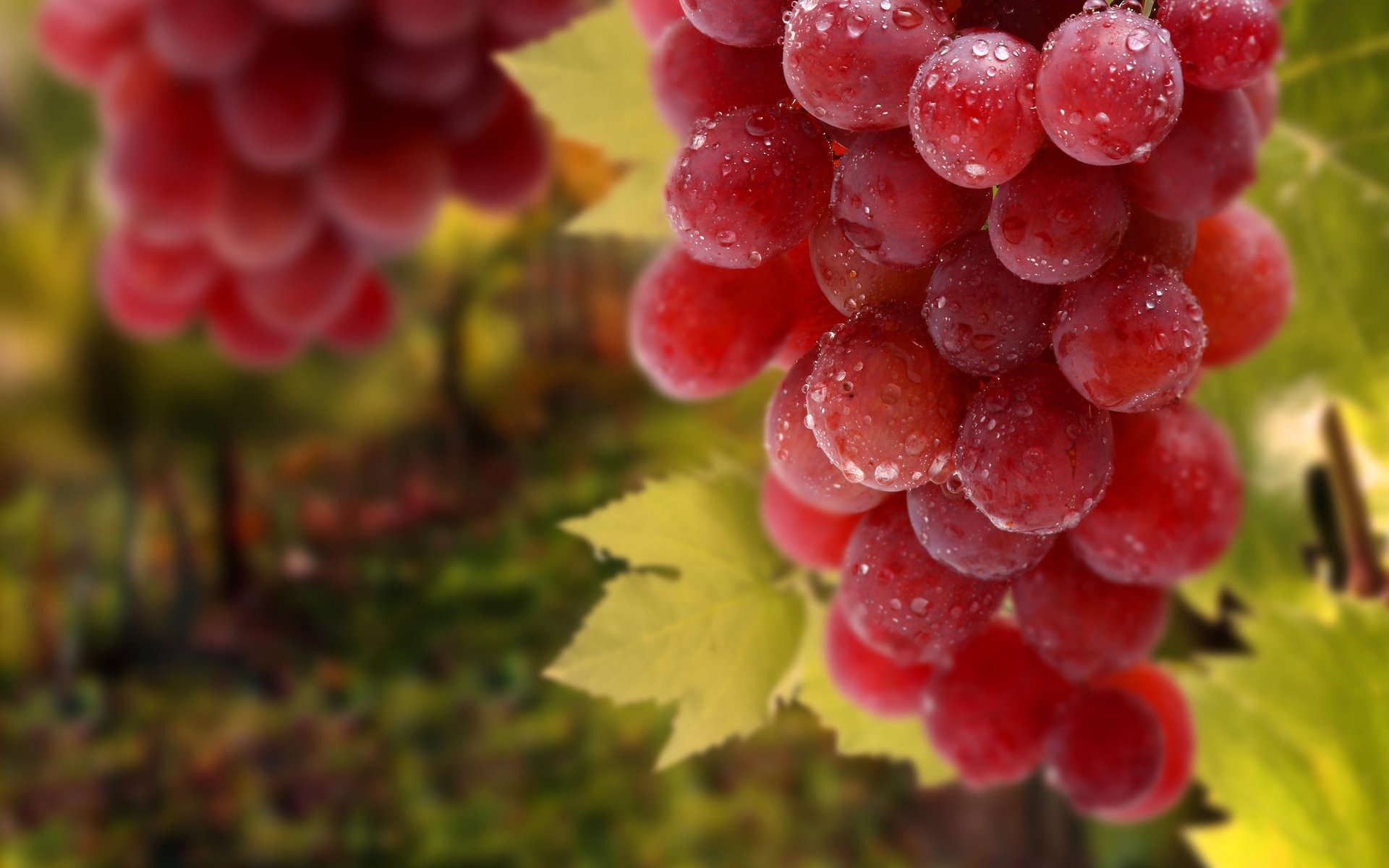
Red grapes are an effective natural antioxidant. The plant is rich in vitamins A, C, E, PP, and K, as well as minerals such as sodium, potassium, magnesium, phosphorus, selenium, zinc, and others. It has strong anti-inflammatory and antibacterial properties.
Grapes are used to make raisins, soft drinks and alcoholic beverages, including aromatic homemade wines.
Cherry
One of the most popular fruit and berry crops in gardening is the cherry. Resistant to extreme weather conditions and easy to care for, this plant can be found in almost every garden.
Cherries are widely used in cooking for desserts, drinks, sauces, and even marinades. They are equally popular in folk medicine for normalizing the digestive system and improving blood circulation.
-
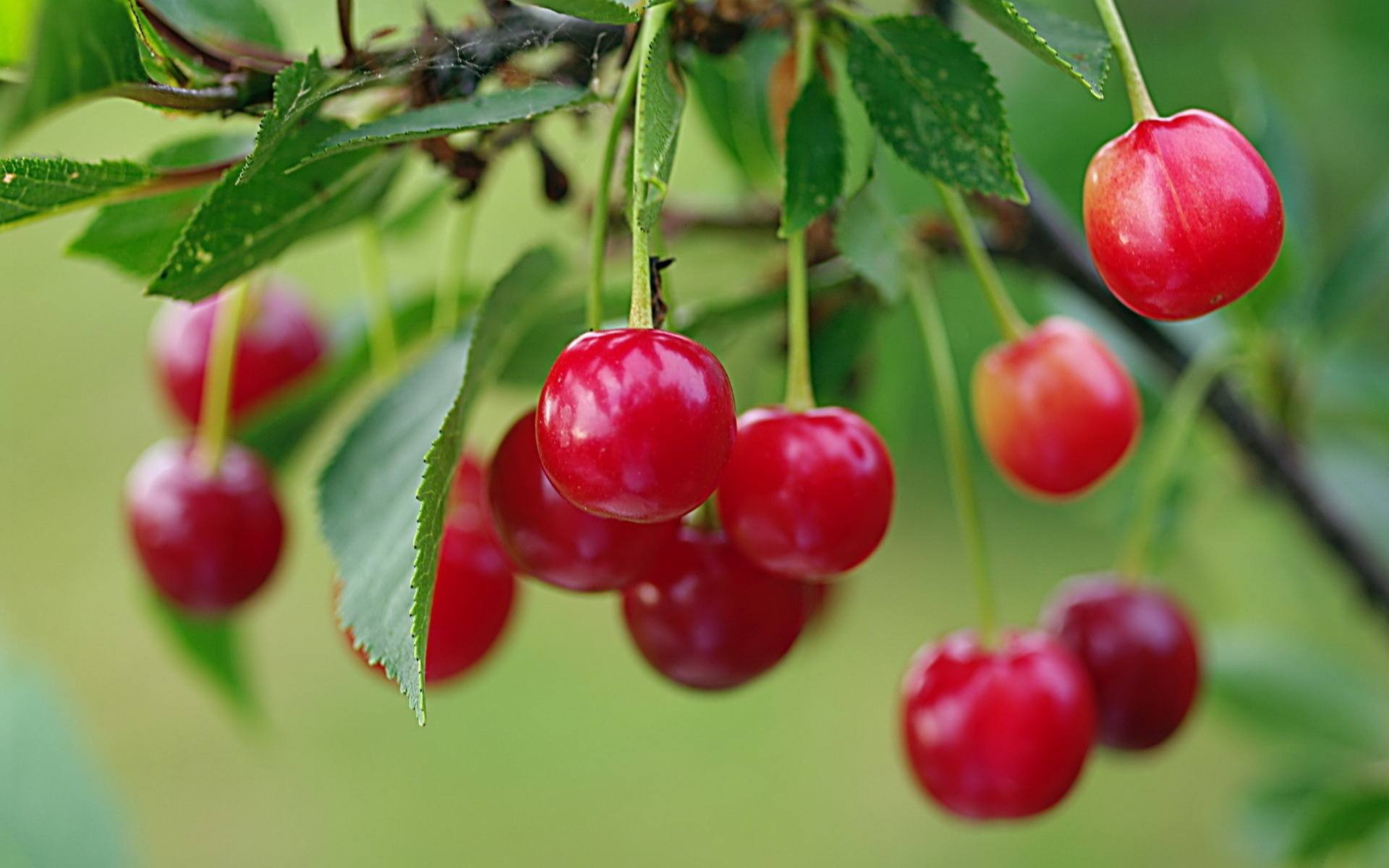
- Cherry
-
- Grape
-
- Hawthorn
Dogwood
Dogwood berries, elongated and pear-shaped, contain large amounts of glucose, fructose, and organic acids. Dogwood-based infusions and decoctions are used for oral conditions, gastrointestinal disorders, venous insufficiency, and swelling of the lower extremities.
Strawberry
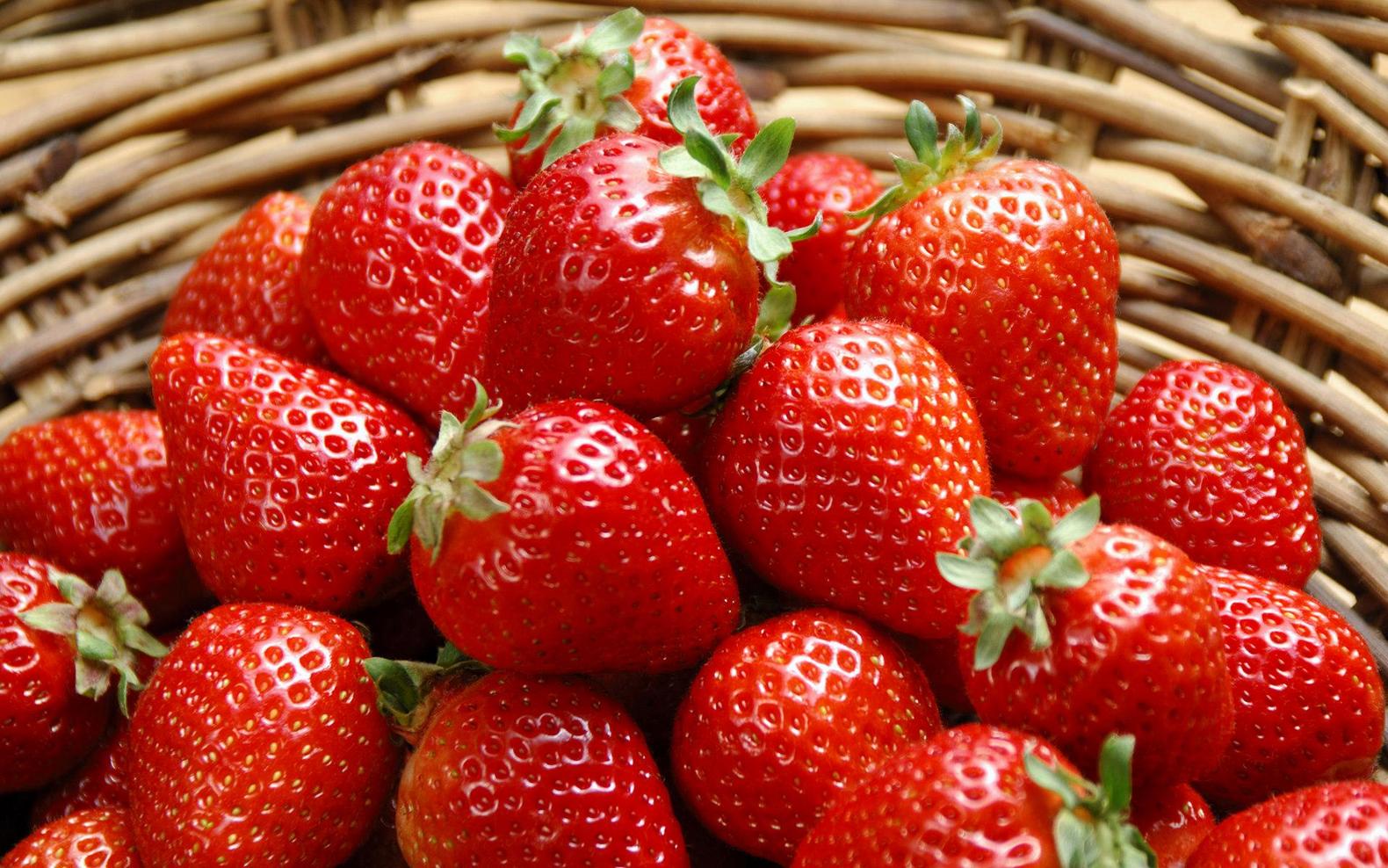
Delicious and aromatic strawberries are a favorite treat for children and adults alike. Strawberries are used in cooking and confectionery. Moreover, these juicy berries help combat spring vitamin deficiency and nervous system disorders. Strawberry leaf infusions are recommended for sore throats, laryngitis, and pharyngitis.
Raspberry
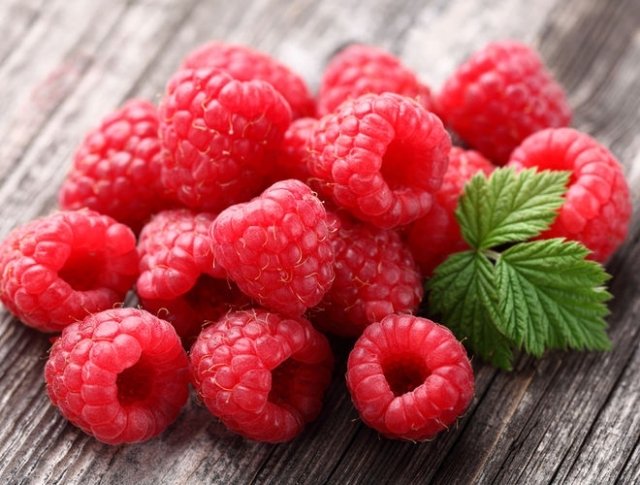
Rich in organic acids, raspberries normalize digestive processes, effectively combat acute respiratory viral infections, and help strengthen the immune system. In alternative medicine, not only the berries but also the raspberry leaves are used.
Currant
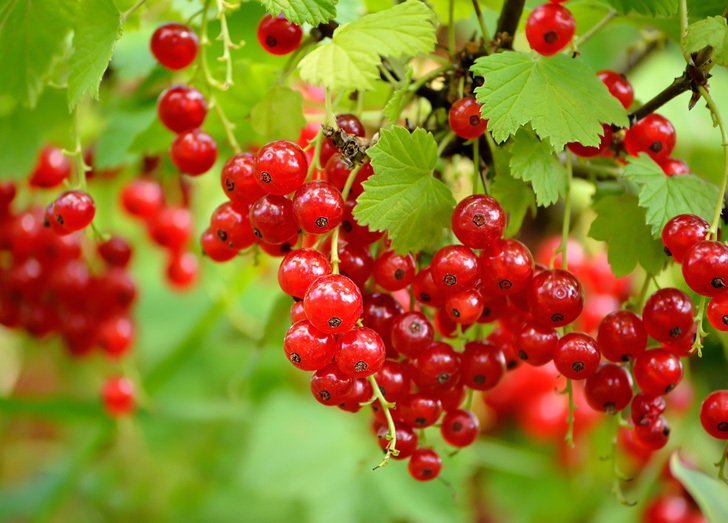
Red currants are valuable for their high antioxidant content, which prevents the formation and development of cancer cells. The small red berries have choleretic, diuretic, and astringent properties. The product is recommended for fevers and other conditions.
-
- Currant
-
- Raspberry
-
- Strawberry
Poisonous red-fruited plants
Not all berries growing on trees or bushes are edible. Some crops pose a serious threat to humans.
Wolf's bast
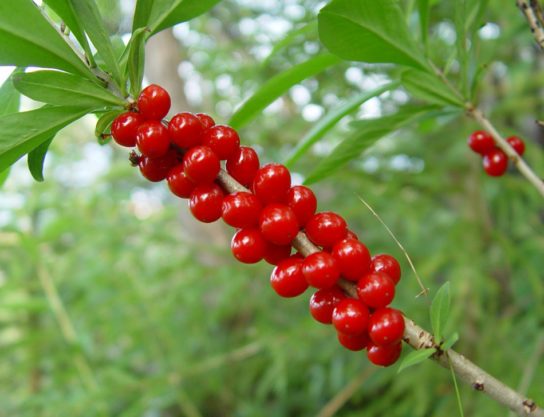
The deadly daphne is widespread in the central regions of Russia. Its juicy, bright red berries contain toxic substances hazardous to humans. Consuming them can cause mucous membrane burns and stomach upset. External contact can cause blisters and severe skin rashes.
Wolfberries
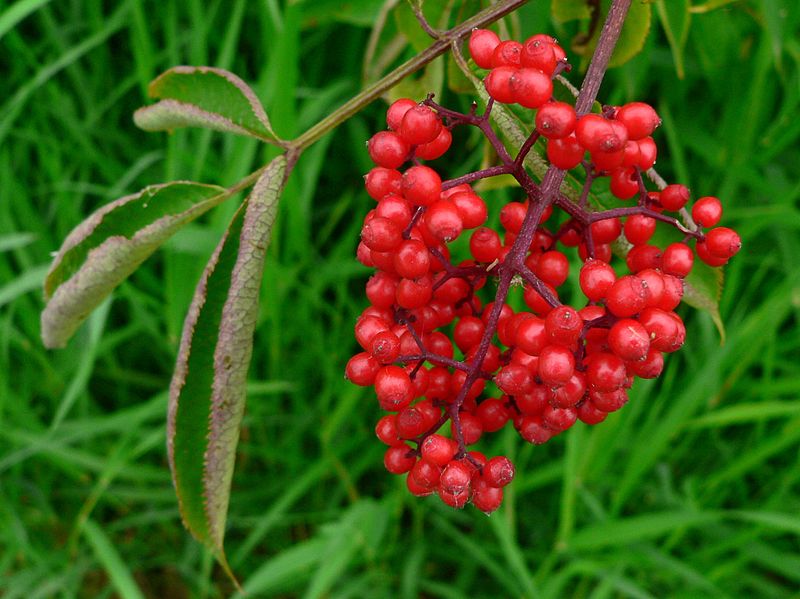
Wolfberries are plants whose fruits are toxic to humans. Representatives of this group include black cohosh, red elderberry, wolfberry, white snowberry, and others. The fruits of these plants should not be consumed as they are irritating and toxic to humans.
The benefits of red berries are invaluable, as they can be used in cooking, confectionery, dietetics, cosmetology, and traditional medicine. However, remember to consume them in moderation—an excess of vitamins and minerals is no less dangerous for humans.