
Features of planting and growing viburnum of the Gordovina variety in the garden
Content
- 1 Botanical description and characteristics of the variety
- 2 Video: Planting and Caring for Viburnum
- 3 Popular varieties in gardening
- 4 Advantages and disadvantages of flowering trees
- 5 Optimal planting conditions
- 6 Growing viburnum on the plot
- 7 Propagation of Viburnum gordovina
- 8 Reviews from summer residents
Botanical description and characteristics of the variety
Viburnum belongs to the Adoxaceae family and is considered a long-lived shrub. Depending on the variety, it can reach 1-4 meters in height. The plant's appearance directly depends on the growing conditions. Two bushes of the same variety can look completely different.
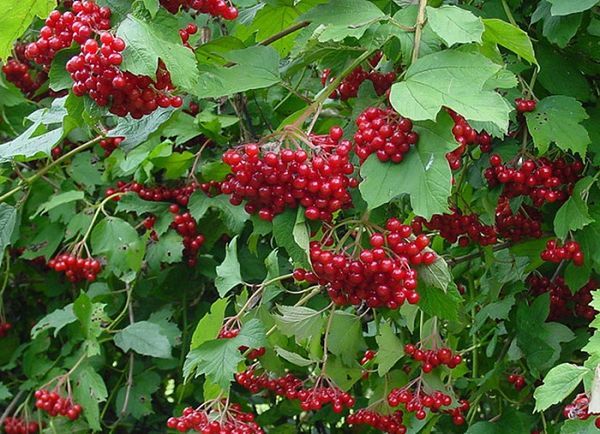
A unique feature of viburnum is that both fruiting and sterile shoots form on the same bush. A fruiting shoot produces two buds, while a sterile shoot produces only one.
Viburnum Gordovina is considered an ornamental shrub, but its berries are edible. They are tart and slightly bitter. The variety is characterized by a late ripening period. Furthermore, the berries ripen unevenly. Viburnum foliage grows up to 18 cm long and has a variegated surface.
Video: Planting and Caring for Viburnum
In this video, an expert will explain how to properly plant and care for viburnum in the garden.
Popular varieties in gardening
Russian gardeners consider the following varieties of Gordovina viburnum to be the most popular:
- Aurea. A mature shrub reaches 2 m in height. It is characterized by small, yellowish foliage. Viburnum fruits are small.
- Variegata. The mature bush reaches 1.5 m in height. The foliage has numerous light spots and characteristic serrations along the edges. The berries are small, turning black as they ripen.
Advantages and disadvantages of flowering trees
- resistance to low air temperatures;
- resistance to moisture deficiency;
- ability to grow in shaded areas of the garden;
- ability to adapt to unfavorable environmental conditions in a big city;
- high decorative properties;
- immunity to various types of fungal diseases and small pests;
- rapid growth of a tree;
- positive influence of the crop root system on the condition of the soil.
According to many gardeners, black chokeberry has no significant drawbacks. One of the main ones is the small size of the berries.
Optimal planting conditions
This variety is easy to care for. However, to obtain a bountiful harvest of healthy berries, it's important to follow certain guidelines.
Light and soil requirements
The optimal soil for Gordovina viburnum is considered to be one with low or neutral acidity.
Tip: Peaty and sandy soils are completely unsuitable for growing berries. Otherwise, the plant will produce scanty fruit and the berries will be of poor quality.
The soil for planting viburnum is prepared a month in advance. Peat, potassium, and phosphorus are added. Urea and wood ash are often added.
The best place for planting seedlings is considered to be shaded areas of the garden.
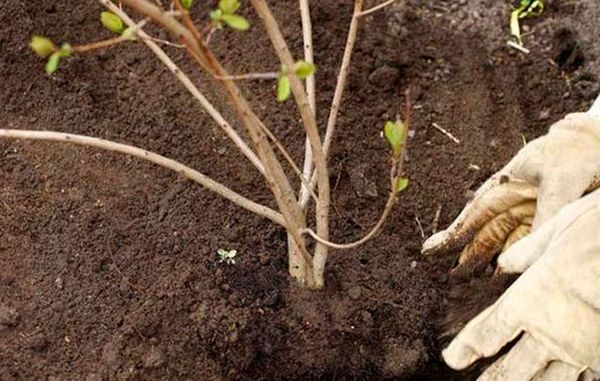
Planting dates
Viburnum arvensis is planted in the soil in the fall or spring. If planting in the fall, it's important to do so before the onset of frost.
Planting pattern for seedlings
To ensure a rich and high-quality viburnum harvest, it is recommended to plant the crop according to the following scheme:
- The depth of the holes should be 40 cm, diameter 55-60 cm.
- The interval between seedlings should be at least 2 m.
- Before planting seedlings, the soil should be fertilized with a mixture consisting of humus, peat, wood ash and urea.
- When immersing the seedling in the hole, remember that the root collar should be deepened no more than 5 cm.
- After covering the seedling with soil, it needs to be lightly compacted.
- The initial watering of the soil should be generous. On average, the first watering requires at least 3 buckets of water.
- As soon as the water is absorbed into the soil, the trunk area must be mulched with sawdust.
Growing viburnum on the plot
Growing viburnum in a garden plot has its own peculiarities, which are important for every gardener to take into account.
Watering and fertilizing
Regular watering is necessary until the Gordovina plant is established. It's recommended to moisten the soil in the evening. Once established, water the plant once a week, or twice a week in dry weather.
Correct pruning
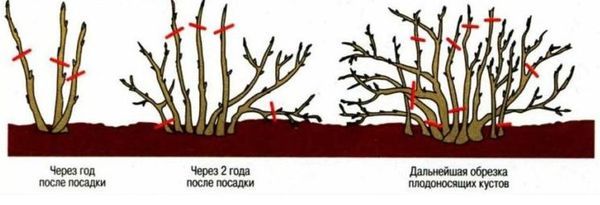
Experienced gardeners recommend pruning in early spring. During sanitary pruning, all dry, damaged, and rotten branches should be removed. To create a symmetrical crown, simply pinch off the ends of the upper shoots. To shape the viburnum into a tree, trim all side branches, leaving only the central ones.
Every 5-10 years, rejuvenation pruning is necessary—leaving about 10 branches and removing the rest to the ground. If an old plant needs to be revived, it is pruned to the very roots.
Preparing for winter
Since the Gordovina viburnum is a winter-hardy plant, it doesn't require any special preparation for winter. The only thing you need to do is mulch the area around the tree trunk with organic mulch. Dry leaves, sawdust, and straw are the best options.
Treatment against diseases and pests
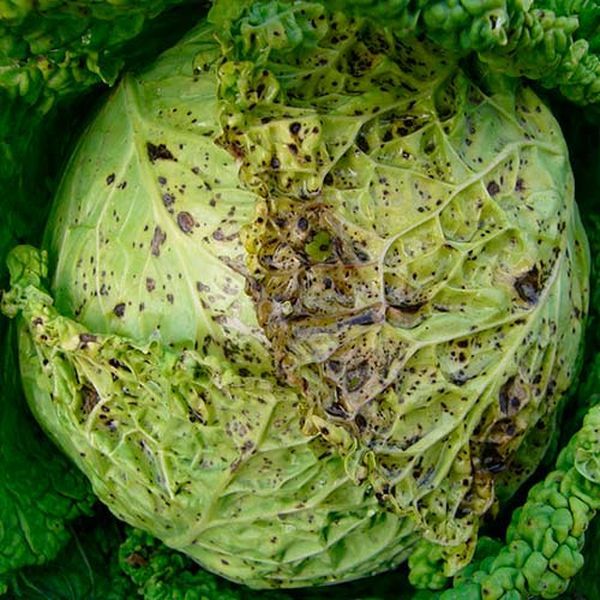
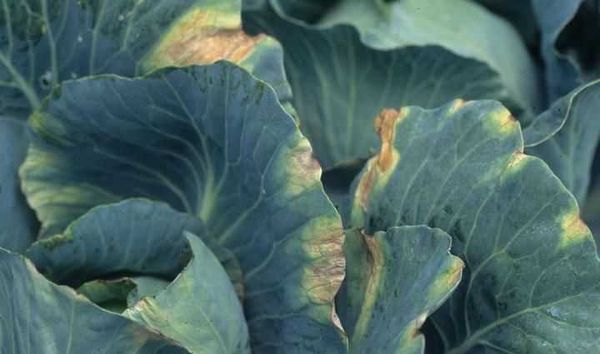
Viburnum is immune to many fungal diseases and small pests. However, this doesn't negate the need for preventative treatments. The most common diseases of viburnum are powdery mildew and leaf spot. To prevent the development of these diseases, fungicidal treatments should be used.
Propagation of Viburnum gordovina
To increase the number of viburnum bushes in your garden, you should propagate the plant. There are several methods for doing this.
Seeds
The seeds ripen in late autumn. It's recommended to refrigerate them for a long time before planting. When planting in the ground, it's important to remember that the optimal depth is 3 cm. The ideal room temperature is 2-3° C.
Cuttings
To propagate viburnum from cuttings, the planting material is collected in late June. The cuttings should be stripped of their leaves and placed in a container of water. To speed up the process, gardeners often add a growth stimulant. Once the first roots appear, the cuttings are planted in the ground.
Offspring
To propagate viburnum by layering, dig furrows around the bush. Gently bend the shoots to the ground and cover them with soil. Once they take root, they can be transplanted to another location. However, gardeners recommend postponing the transplanting process until spring.
By dividing the bush
This method is effective in spring and fall. The bush must be divided so that each section contains 3-5 buds.
Reviews from summer residents
Viburnum Gordovina has earned the trust of many gardeners. They plant it in their gardens, ensuring a harvest of this healthy berry.
"We've been growing Gordovina viburnum for about seven years. We're completely satisfied with the quality of the berries, although they're a bit small. The bush is resilient to everything: adverse weather, pests, and diseases. Viburnums are almost never a problem."
"I love viburnum. I preserve the berries, eat them raw, and add them to tea. They're such a treasure trove of vitamins! I've been thinking about growing my own. I planted a Gordovina a couple of years ago—I'm so happy!"
The Gordovina variety is valued not only for its healthy berries. It's easy to care for, so even a novice gardener can grow it.