
All about successfully growing the Patriot highbush blueberry variety
Content
History of selection and description of the Patriot blueberry
The Patriot cultivar was developed in the United States in the mid-20th century and named in honor of the 200th anniversary of the Declaration of Independence. Scientists successfully crossed several varieties (Earlyblue, Dixie, and Michigan LB-1), imparting a tall, abundant harvest, and ornamental qualities to the resulting variety. Seedlings went on sale in the mid-1980s and soon became popular among hobbyists and connoisseurs.
This variety appeared in our country in the 1990s. It has not yet been included in the State Register.
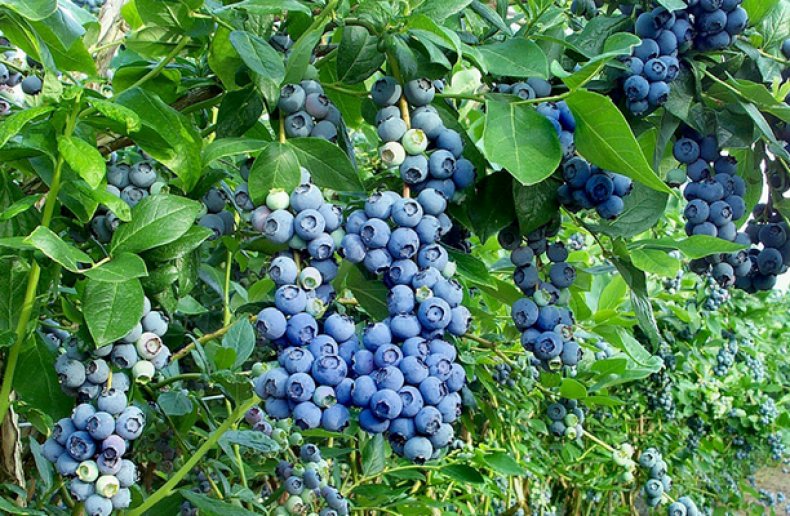
Favorable growing conditions include mid-latitudes, where it's not too hot, but also not in the Far North. The crop tolerates temperatures ranging from +30 to -25 degrees Celsius. However, the plant has excellent survival rates; blueberry growers have managed to produce good harvests in both northwestern Russia and the Sea of Okhotsk region.
Characteristics of the variety
The botanical description of the culture is as follows:
- A shrub form that grows up to 1.5–1.8 m in height.
- The shoots are sparse, straight, and have few branches.
- The leaves are elongated, 8 cm long and 4 cm wide, and densely cover the bush. In early years, they are reddish in color, and in more mature years, they become dark green.
- The root system is densely branched, fibrous, and penetrates to a depth of 50 cm.
- The inflorescences are in the shape of white bells, collected in hanging clusters of 8–10 pieces.
Patriot blueberry reaches its maximum size at 5 years of age.
Flowering period and ripening time
The flowering period is early, with flowers appearing in May. The plant is self-pollinating, although having a cross-pollinating variety nearby is beneficial – it increases yield and improves the quality of the fruit.
The scent of the flowers is attractive to bumblebees and honeybees. The fruits fully ripen 45–50 days after flowering, around mid-July.
Description of berries
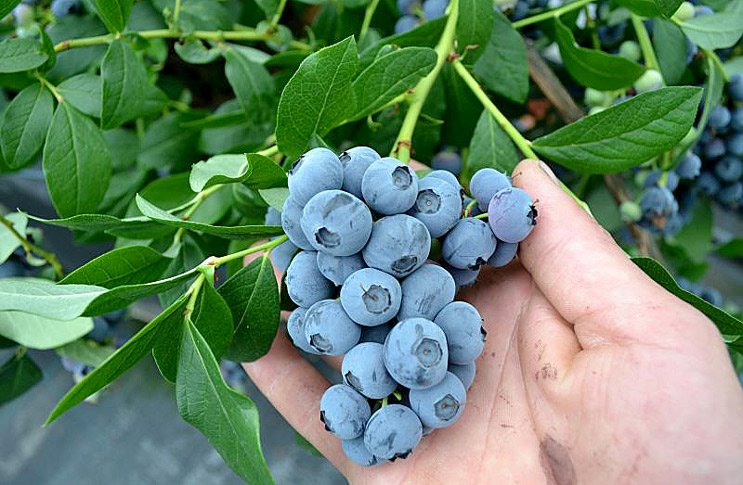
The berries form full, dense clusters. They are red when ripe, gradually turning blue with a bluish tint. The fruits are up to 2 cm in size and flattened in shape. They have an attractive marketable appearance.
The skin is smooth, firm, and elastic. The core is thick, greenish in color, sweet in taste, and has a pleasant aroma. The flavor is similar to blueberries.
Yield and application of berries
Blueberry harvesting is characterized by high yields. In the first couple of years, the yield from a bush is about 2-3 kg per season, in subsequent years it grows to 6-9 kg (subject to agricultural practices). In some farms, the crop is grown on an industrial scale, with automated harvesting being organized.
The fruits have excellent shelf life, remaining fresh for two weeks, and even fully ripe berries hang on the branches for up to 10 days without falling off. Thanks to their strong skin, the harvest is easy to transport.
The harvest can be used:
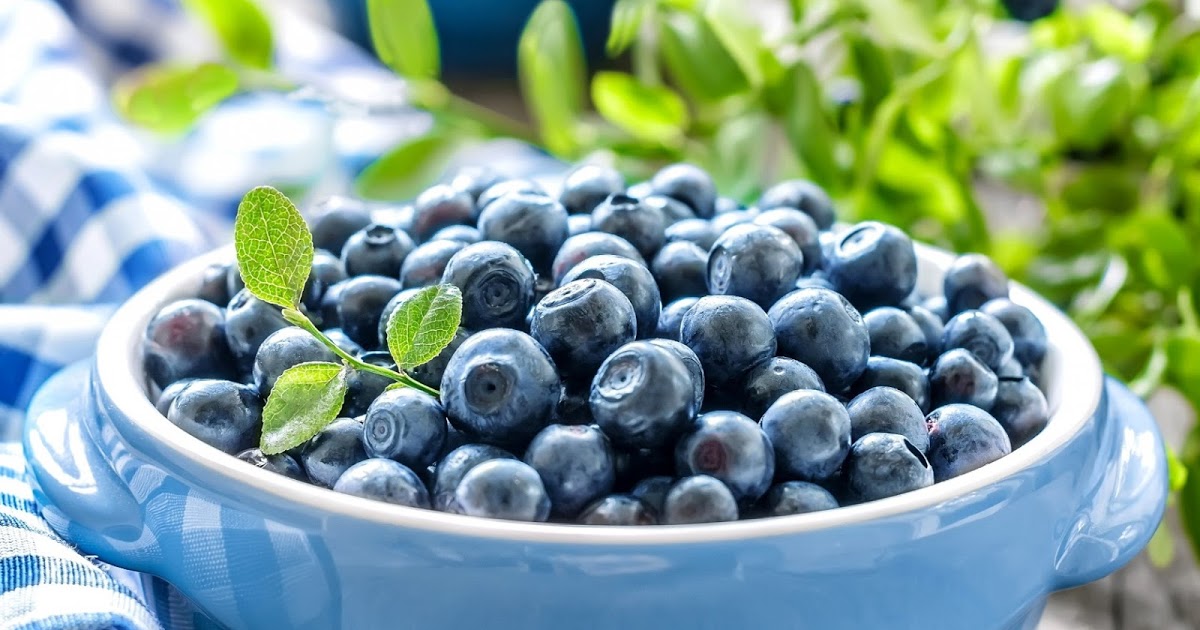
- when preparing syrups, sauces, juices and jams;
- for dried fruits, canning, freezing;
- as a filling for pies and muffins;
- as raw material for liqueurs and cordials.
Advantages and disadvantages of the variety
Reviews of this crop are overwhelmingly positive. In addition to its pleasant taste, high yield, and beautiful appearance, gardeners note other advantages.
- the plant takes up a minimum of space, stretching only upwards;
- berries are stored for a long time and transported over long distances;
- not afraid of cold and moderate drought;
- resistant to most plant diseases and pests;
- It can grow in any region with proper agricultural practices.
- tendency to become dense quickly – timely pruning is necessary;
- If early spring is followed by frost, the flowers may freeze;
- heterogeneity of berries - during the first harvest the berries are at their largest, with subsequent harvests they become smaller.
Video: "Description of Patriot Blueberry"
This video shows what a fruit bush looks like.
Planting and caring for Patriot blueberries
To ensure that the plant takes root properly, you need to follow the basic rules when planting.
Landing dates and location
It is allowed to plant:
- in spring, from April to May;
- in autumn, from September to October.
The plant thrives in sunny, sunny areas, sheltered from wind and drafts. It requires special soil, best collected from a pine forest (pine sawdust will do), mixed with sand and peat. Adjust the acidity to the ideal level.
Planting technology
It's best to purchase seedlings from a specialist store or a reputable breeder. When purchasing, pay attention to:
- integrity and development of roots;
- absence of signs of disease or defects on leaves and shoots.
However, besides seedlings, there are other methods for propagating Patriot blueberries. These include:
- seed - you need to plant the seeds in advance in fertile soil, in containers and make seedlings;
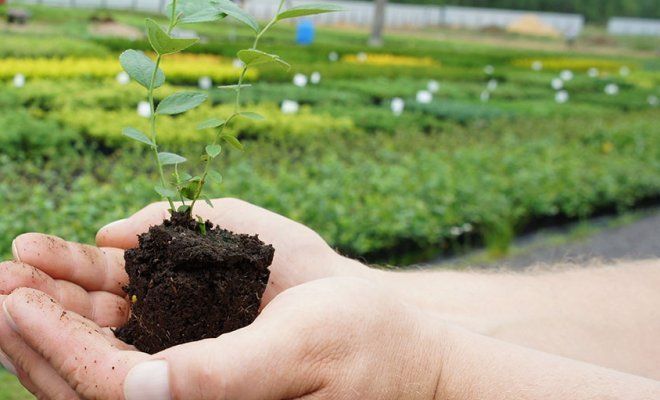
- cuttings - pieces of branches after cutting with the buds on them are successfully planted instead of seedlings;
- layering - the bush will have to be divided, which provides little planting material, but you can be sure that the new plants will take root in the future.
-
- Germination of seeds
-
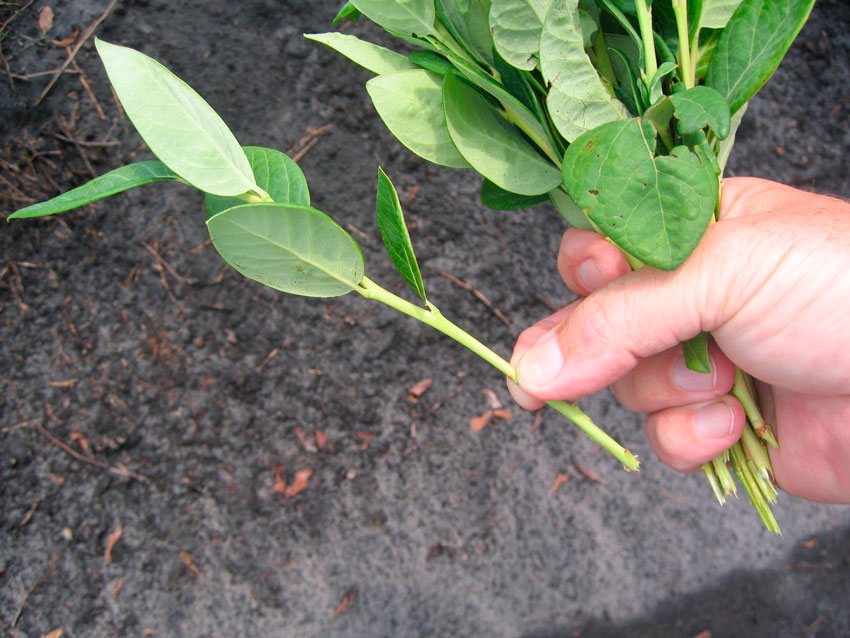
- Cuttings
-
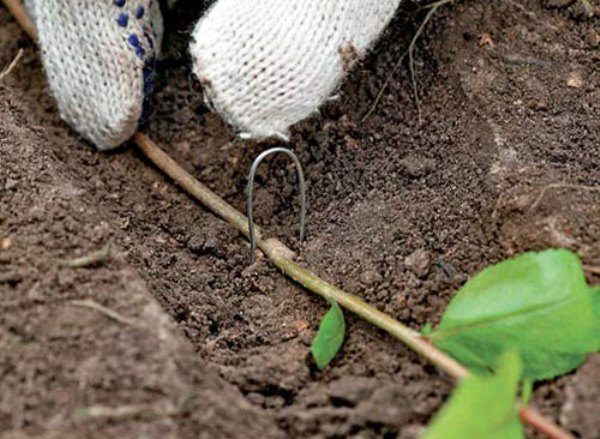
- Propagation by layering
Planting is carried out according to the following scheme:
- A hole is dug 50 cm deep and about 80 cm wide.
- A stake is inserted into the hole for support, a seedling is placed next to it, and the roots are straightened.
- The seedling is tied to a support.
- Fill the hole with prepared soil substrate and compact it.
- Water generously and create a mulch around it from bark and spruce branches about 10 cm high.
Watering and fertilizing rules
A newly planted plant requires ample watering. It's a good idea to add 100 ml of 9% vinegar to the bucket to increase the acidity.
Subsequent waterings should be infrequent, twice a week, with approximately 10 liters per plant (half in the morning and half in the evening). After watering, the soil should be loosened and mulched. Acidify the water approximately one out of every two waterings.
Fertilizing will be required three times per season.
- Before the juices start to move.
- At the end of May during the flowering period.
- In the second half of June, before the harvest.
Excessive fertilization can harm the crop, but drip irrigation will come in handy.
Shaping and pruning the bush
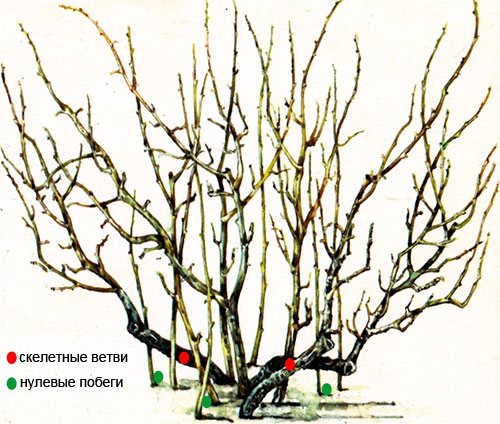
The plant doesn't require any special care, but to improve fruiting, it's advisable to prune the bushes in the sixth year. Pruning is done in early spring and involves:
- cutting off the lower empty branches;
- removal of all branches older than 6 years.
After six years, yields begin to decline, and by fifteen, they've almost completely ceased. In this situation, it's recommended to cut the bush back to the ground. Within a couple of years, new shoots will grow, and fruiting will resume.
Preparing for winter
Depending on the local climate, preparatory work may include:
- application of phosphorus-potassium fertilizers in spring;
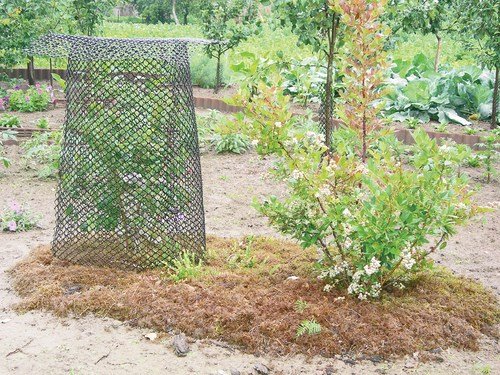
- mulching the tree trunk circle;
- covering the bush with a breathable material (shoots are bent down and tied to wire arches);
- covering the bottom with spruce branches;
- After the snow falls, a snowdrift is built from it in the immediate vicinity.
Resistance to diseases and pests
Although the crop has inherited increased resistance to plant diseases from its ancestors, improper agricultural practices and excessive soil moisture can trigger fungal diseases. Preventative measures and periodic (twice a year) renewal of the mulched area are helpful.
For preventative purposes, the plant is sprayed with Bordeaux mixture, this is done twice - in early spring and late autumn.
Patriot blueberry is threatened by insects, including:
- leaf roller;
- May beetle;
- scale insect;
- aphid;
- pine silkworm.
They are controlled by spraying the affected areas with insecticides and fungicides.
Patriot Blueberry Reviews
I planted three bushes of this variety, but only one started growing. By the end of the second summer, clusters of small berries were appearing. I'm thinking of propagating it next year. The soil in the area is heavy—clay, etc.—so I had to mix it with spruce debris and flower fertilizer.
The bush is four years old, and the harvest is small. Apparently, self-pollination isn't a panacea; I'll try planting a pair nearby for cross-pollination.
I have four bushes. The care is no different from other shrubs. They survive the winter well, and the harvest is excellent – about 6 kilos per bush. The berries are sweet, and I enjoy them all summer long.
Patriot garden blueberry thrives in our harsh climate and thrives equally in warm and cold conditions. Its beautiful appearance, with minimal care, makes it a beautiful addition to any garden, and its delicious berries are a healthy addition to the family table.