
Goji berries: benefits and potential harm to the body
Content
What are Goji berries?
The benefits and drawbacks of goji berries continue to be debated by scientists, homeopaths, and doctors to this day. In the scientific community, the berries are known by the less popular names of Chinese wolfberry or Tibetan barberry. There are two types of Chinese wolfberry: the Berberis shrub and the Tibetan barberry. The former grows in northern China and produces larger fruits, while the latter grows in the south.
Only those fruits that grow on bushes in the Himalayas or Tibet have healing properties.
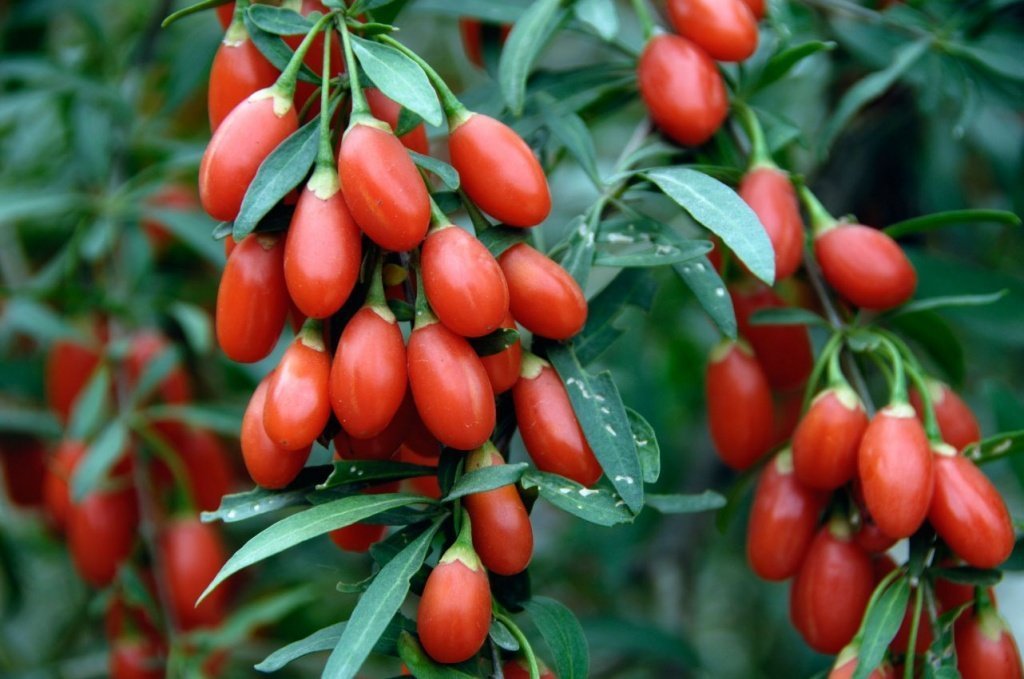
Fresh goji berries are a striking bright orange, turning a rich red or black as they dry. Small and very juicy, with tiny seeds inside, the berries have a rich, nuanced flavor—a combination of sweet and salty with a hint of tartness.
The harvesting process is also interesting. Tibetan barberry, like other nightshades, contains toxic alkaloids and can cause an oxidation reaction if it comes into contact with skin. Therefore, the fruits are simply shaken onto a cloth to avoid touching them and damaging them.
Video "Goji Berries: Benefits and Harms"
This video presents the chemical composition of medicinal berries and describes how to use them.
Caloric content and chemical composition
Berries are considered low-calorie. 1 kg of berries contains only 350 kcal. This is why they are popular among people trying to lose weight. About 35% of the total nutrient content is carbohydrates, 14% is protein, and only 5% is fat. Due to their relatively high protein content, Goji berries have a higher nutritional value than other berries.
The berries also contain over two dozen micronutrients and 11 macronutrients. All of these are essential for normal metabolic processes. Furthermore, the fruits contain essential amino acids, which are not produced by the body but must be obtained from the body. Amino acids, the main building blocks of proteins, promote cell and tissue growth.
Vitamin complexes, sugars, polyunsaturated fatty acids, phytosterols, carotenoids and phenols help reduce the risk of various internal organ diseases.

Beneficial properties for the body
The unique composition of Chinese wolfberry has a general strengthening, tonic, and antioxidant effect, helping to boost the immune system. It also promotes optimal functioning of internal organs, strengthens the body's ability to prevent cancer, and restores vision.
For women
Chinese wolfberry fruits help women cope with typical female problems and also normalize their general condition:
- regulate blood pressure levels and prevent the development of age-related hypertension;
- contribute to the normalization of the rate of metabolic reactions;
- eliminate minor inflammation in the urinary tract;
- normalize the general condition during menstruation, reduce pain;
- prevent diabetes;
- reduce the risk of developing uterine or breast cancer;
- promote rejuvenation.
For men
Men also face a number of specific problems that can be helped by regularly consuming Chinese wolfberry:
- helps to partially relieve the symptoms of erectile dysfunction;
- helps to increase sexual desire;
- has a prolonging effect – slows down the moment of ejaculation;
- restores erection;
- They increase endurance levels, making them a great snack before strength training.
You will also definitely lose weight if you combine eating berries with exercise, a properly chosen diet, and active pastime.
How to eat berries correctly
Tibetan barberry fruits can be consumed dried, but tea or decoction made from them is no less beneficial.
In dry form
Goji berries are usually dried. It's recommended to process them before consumption. Scalding them with boiling water and rinsing is best. The recommended daily intake is 20 to 45 grams.
Berries can be a wonderful addition to dairy dishes, cereals and meat.

Cocktails, smoothies and tea
Tea is brewed not only from the Chinese wolfberry fruit but also with the addition of other beneficial ingredients to suit taste. However, it's best to choose a tea from proven recipes to avoid harming your health with the wrong combination. The key is to brew the berries correctly: pour 500 ml of boiling water over 1 tablespoon of dried fruit and let steep for about 30 minutes. For a more intense flavor, you can add freshly squeezed lemon juice.
For black tea lovers, a version with chrysanthemum flowers and tea leaves is perfect. An equally delicious version is one with apple, pomegranate, hibiscus flowers, raspberry, rose hips, and acai.
A delicious and healthy option for those who enjoy healthy eating is a milkshake with steamed and chopped berries. You can also make fruit smoothies with berries, adding mint and lemon to taste.



Decoctions and infusions
For those who prefer medicinal tinctures, there are various preparation options. The berries can be infused in water or alcohol. Regular, good vodka is also ideal. It is recommended to take the water infusion immediately after waking up, before breakfast. The vodka infusion is prepared by mixing 100 grams of berries with 1 liter of vodka. It is prepared over the course of 10 days. Drink it twice daily in small portions, diluted with water.
The decoctions are prepared in the usual way: for 50 g of berries, use 500 ml of water. Boil for at least 30 minutes, then let cool. The decoction is now ready to drink. It is recommended to take a glass of the decoction twice a day before meals.
Culinary uses
Goji berries are equally successful with grain porridges, meat, and desserts. They are an ingredient in many nutritious Chinese soups, pairing beautifully with chicken, pork, and vegetables. Adding goji berries to wine guarantees a unique, piquant flavor and aroma.
Harmful properties and contraindications
Goji's positive healing effects on the body are undeniable. However, it should be noted that the fruit is contraindicated in the following cases:
- pregnant and lactating women: may cause problems with the digestive system (bloating, diarrhea);
- people prone to allergic reactions, in particular to red foods;
- children under 3 years of age;
- people suffering from chronic gastrointestinal diseases.
Diabetics should also refrain from taking the product.
Negative effects may occur after consuming poor-quality berries, which are treated with dyes and preservatives that can cause poisoning. It's important to pay attention to the time of consumption. The stimulating effect can lead to insomnia.

How to choose and store a medicinal product
The following little tips will help you choose a quality product:
- The product must be made in China (Tibet).
- The price corresponds to the quality and purity of the product.
- It's worth purchasing a small amount to try first.
- Berries purchased in bulk require more careful processing.
- The berries should not stick together and be covered with a glossy film.
- The fruits should not have an overly sweet taste or emit a sulfur aroma.
To ensure long-term storage of berries (which, if stored properly, can last up to two years), proper conditions must be created. The storage location should be dry, dark, and cool. Berries can be stored in their original packaging, or they can be transferred to a tightly sealed glass container or a thick paper bag. The prepared decoction or infusion should not be stored for more than two days. Any changes in the appearance or structure of the berries are not permitted; consumption of such a product is prohibited.
In any case, you should consult a doctor before consuming goji berries. You may have certain contraindications, and the berries could actually cause harm instead of benefit. We also recommend that you avoid skimping and purchase only the highest quality products.