
Black elderberry - medicinal properties and contraindications (10 recipes)
Content
- 1 The main characteristics of the berry
- 2 Medicinal properties
- 3 Use in cosmetology
- 4 Recipes and tips for using black elderberry
- 4.1 Flower infusion for drinking
- 4.2 Infusion of flowers for external treatments
- 4.3 Laxative infusion of fruits
- 4.4 Elderberry syrup
- 4.5 Medicinal wine
- 4.6 Poultices of leaves
- 4.7 Infusion of bark for edema
- 4.8 A decoction recipe for treating joint diseases
- 4.9 Recipe for brewing elderberry bark
- 4.10 Elderberry jam to strengthen the immune system
- 5 Contraindications for use
The main characteristics of the berry
Black elderberry is commonly known by such names as wild bird cherry, empty-stemmed elder, piscina, basovnik, baznik, sambuk, and bugilla. It is a low-growing tree with a beautiful, rounded crown. The first flowers appear in May. It blooms for 2–2.5 months. Fruiting occurs from early August to late September.
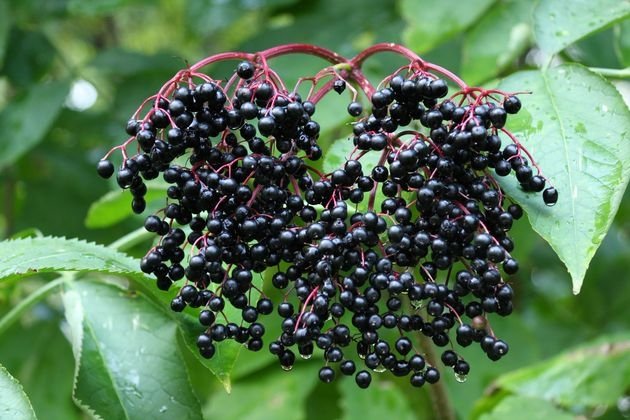
The skin of the berries is purple-black in color.
As for the description of the fruit, they are small, three-seeded berries. The average diameter is 10 mm. As they ripen, the purple skin turns deep black. The skin is thin, but the flesh is juicy.
Video "Medicinal Plants: Black Elderberry"
This video presents recipes for using basovnik for various ailments.
Composition of berries
Many people are interested in the beneficial properties of chokeberry. The plant has anti-inflammatory, moderate antiseptic, disinfectant, expectorant, vasodilator, sedative, astringent, diaphoretic, diuretic, and laxative properties.

Table: Chemical composition of black elderberry
Such a wide range of effects on humans and their health is due to the plant's rich chemical composition. It contains vitamins A, C, B1, B2, B5, B6, B9, and PP. Black elderberry is rich in micro- and macronutrients essential for normal functioning and well-being: iron, calcium, phosphorus, potassium, magnesium, copper, zinc, selenium, and sodium. The plant contains polyunsaturated fatty acids, amino acids, fructose and glucose, essential oils, pectin, tannins, paraffin, and organic substances.

Table: micro- and macroelements of black elderberry
Nutritional value and calorie content of berries
Wild bird cherry fruits are recommended for inclusion in the diet for those who are overweight, since the caloric content of the product (100 g) is only 73 kcal.
When the fruit reaches technical maturity, it's 80% water. The remaining nutritional values of black basovnik are as follows:
- carbohydrates – 11.5 g;
- fats – 0.5 g;
- proteins – 0.65 g;
- dietary fiber – 7 g;
- saturated fatty acids – 0.023 g;
- ash – 0.65 g.
Medicinal properties
Wild bird cherry is included in herbal teas and infusions, the effectiveness of which is noted even by evidence-based medicine.
Infusions and herbal teas are recommended for the prevention and treatment of acute respiratory viral infections, sinusitis, bronchitis, pharyngitis, tracheitis and various strains of influenza. Thanks to its diuretic effect, this folk remedy helps restore water balance and prevent dehydration in cases of high fever and poisoning.
In addition, medicinal infusions and decoctions based on the inflorescences, leaves and berries of black chokeberry can be prescribed for the following problems:
- inflammatory processes in the nasopharynx and oral cavity;
- disorders of the digestive system and various types of intoxication of the body;
- neuroses, stress and other disorders of the nervous system;
- diseases of the kidneys, liver and genitourinary system;
- arthritis, rheumatism, gouty pain and other diseases of the musculoskeletal system;
- gynecological problems;
- purulent and inflammatory formations on the skin;
- malignant formations.
Use in cosmetology
Black elderberry has found application in modern cosmetology. The plant's flowers, leaves, and berries are used for facial, body, and hand care.
For example, a decoction made from wild bird cherry helps clear the face of acne, pimples, and blemishes. Simply wipe your face with a cotton pad soaked in the decoction several times a day. Rinsing your hair with this herbal infusion reduces hair loss and relieves dry skin. Cosmetologists note the effectiveness of elderflower-based infusions and decoctions for overactive sebaceous glands and oily skin.
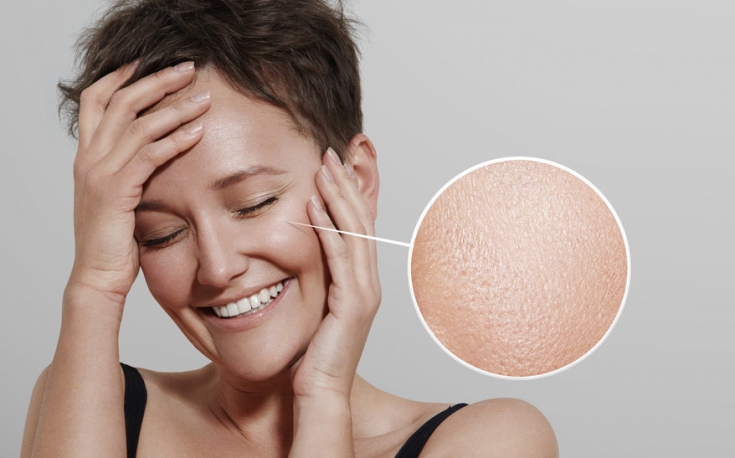

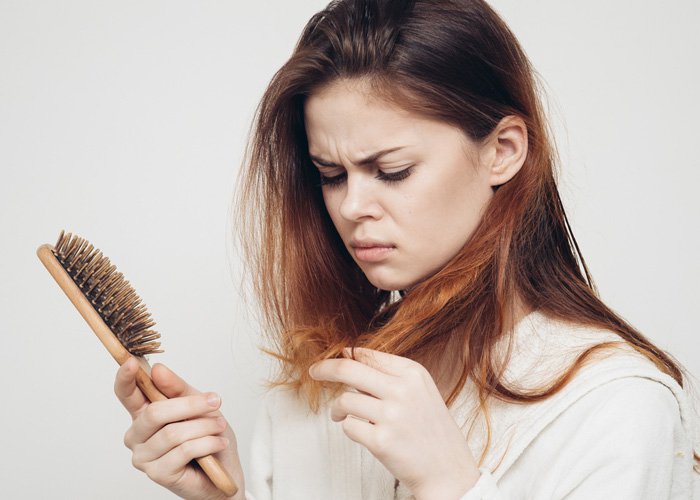
Another benefit of elderberry infusions and decoctions is that they are non-addictive. This medicinal plant is suitable for all skin types.
Recipes and tips for using black elderberry
Due to its rich vitamin and mineral composition and a whole range of beneficial properties, black chokeberry is widely used in folk medicine.
Flower infusion for drinking
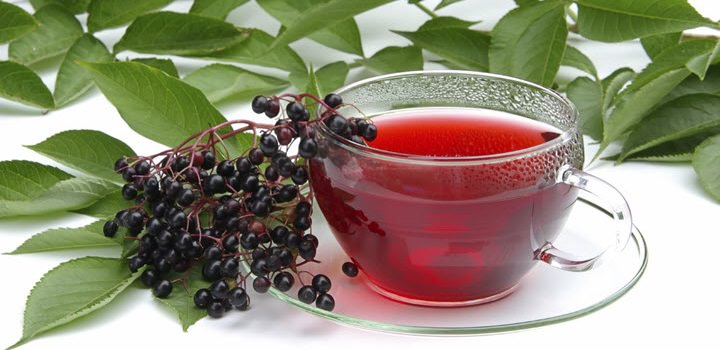
For viruses and colds, drinking plenty of fluids is essential, including an infusion of the flowers. Add 2 tablespoons of basovnik flowers to 500 ml of boiling water. Steep the infusion for 40 minutes and sip it throughout the illness.
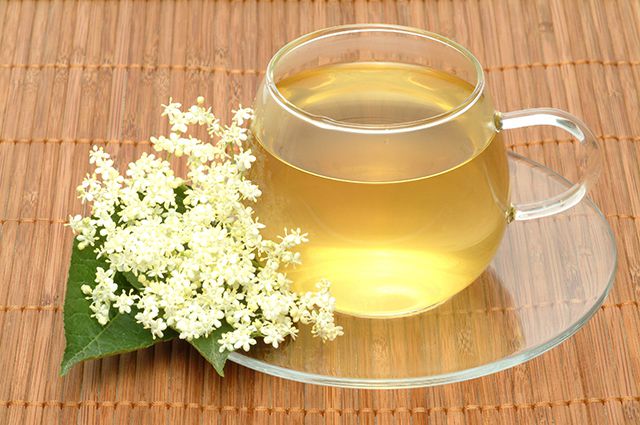
Tincture of flowers is recommended for colds.
Infusion of flowers for external treatments
As it turns out, an infusion of the flowers is used externally for vaginitis, colpitis, and other gynecological problems. Steep 4 tablespoons of flowers in a 500 ml glass jar. After 20-25 minutes, cool the infusion and use it for douching and hygienic baths.
Laxative infusion of fruits
An elderberry infusion can help relieve chronic constipation. Add 3 tablespoons of dried berries to a cup of boiling water (200 ml) and let steep for 10–12 hours. Then add a little honey and drink in the morning before meals.
Elderberry syrup
A syrup made from ripe wild bird cherry berries is an excellent "cure" for dry and productive coughs. It promotes rapid mucus removal and improves the patient's overall condition.
Elderberry syrup is an effective expectorant.
To make the syrup, you'll need ripe berries. Thoroughly wash the berries, sort them, and run them through a juicer. Dilute the berry juice with filtered water in a 1:1 ratio, add sugar to taste, and place on the stove. Simmer the syrup over low heat until the sugar is completely dissolved.
The dosage for taking the expectorant syrup is: 1 teaspoon 3 times a day after meals.
Medicinal wine
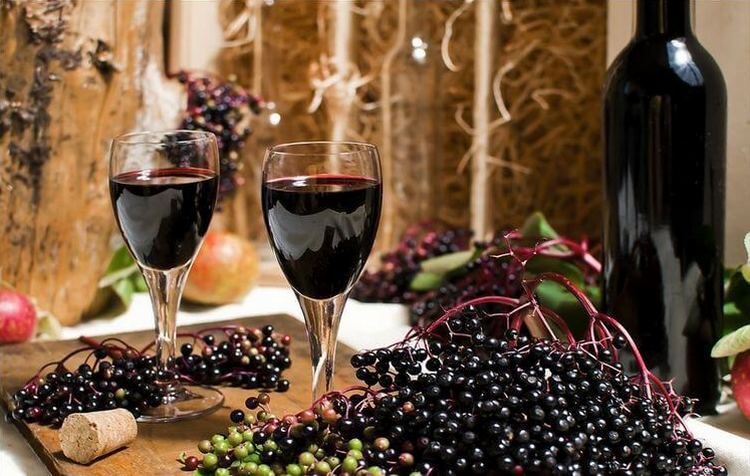
Elderberry wine can help strengthen the immune system and boost energy levels. Take 50 ml of the finished product a few minutes before meals.
So, here is a step-by-step recipe for medicinal wine:
- Take 1 kg of ripe fruits, rinse with running water and sort through.
- Pour filtered water (5 l) over the berries, place on the stove and simmer for 1.5–2 hours.
- Remove the pan from the stove and let it cool. Add 0.7 kg of sugar and stir well.
- Simmer the liquid for another hour. Cool and add 1 cup of washed raisins.
- Cover the container with the drink with a thick cloth and move it to a cool, dark place.
- Once fermentation is complete, the wine is bottled in dark glass bottles and stored in a cool place.
Poultices of leaves
Not only the berries, but also the leaves of the chaste tree possess healing properties. For example, poultices made from the leaves help with burns, cuts, boils, and other skin lesions:
- Grind the dried leaves in a wooden mortar.
- Mix 3 tablespoons of the product with 200 ml of milk.
- Place the mixture on low heat and simmer for 7–10 minutes.
- Cool to room temperature and begin treating wounds.
Infusion of bark for edema
For swelling, you can use an infusion of dried elderberry bark. For 25 grams of crushed bark, add 500 ml of boiling water. Let the infusion steep for at least 9-10 hours and consume with or without meals. The recommended daily dose is 5-6 cups of tea, each no larger than 200 ml.
A decoction recipe for treating joint diseases
A decoction made from basovnik flowers can help relieve acute and unpleasant joint pain. To prepare this miraculous remedy, pour 1 tablespoon of flowers into 250 ml of water. Bring the mixture to a boil, simmer for 3 minutes, then cool and strain. Take the decoction before each meal. The recommended dosage is 50–70 ml.
Recipe for brewing elderberry bark
For neuralgia, prostatitis, and gynecological conditions, a decoction of elderberry bark is recommended. Dried bark (5 g) is poured with 1 cup of boiling water. Infuse in an airtight container for 5-6 hours, strain, and take 100 ml twice daily.
Elderberry jam to strengthen the immune system
Wondering how to boost your immune system during times of viruses and infections? Make wild bird cherry jam:
- Combine ripe berries and granulated sugar in a thick-bottomed container. The ratio of ingredients is 1:1.
- Leave the mixture for 1–1.5 hours.
- When the juice appears, place the pan on the stove and simmer the mixture for 30 minutes.
- Cool the jam, pour into jars and put in the refrigerator.
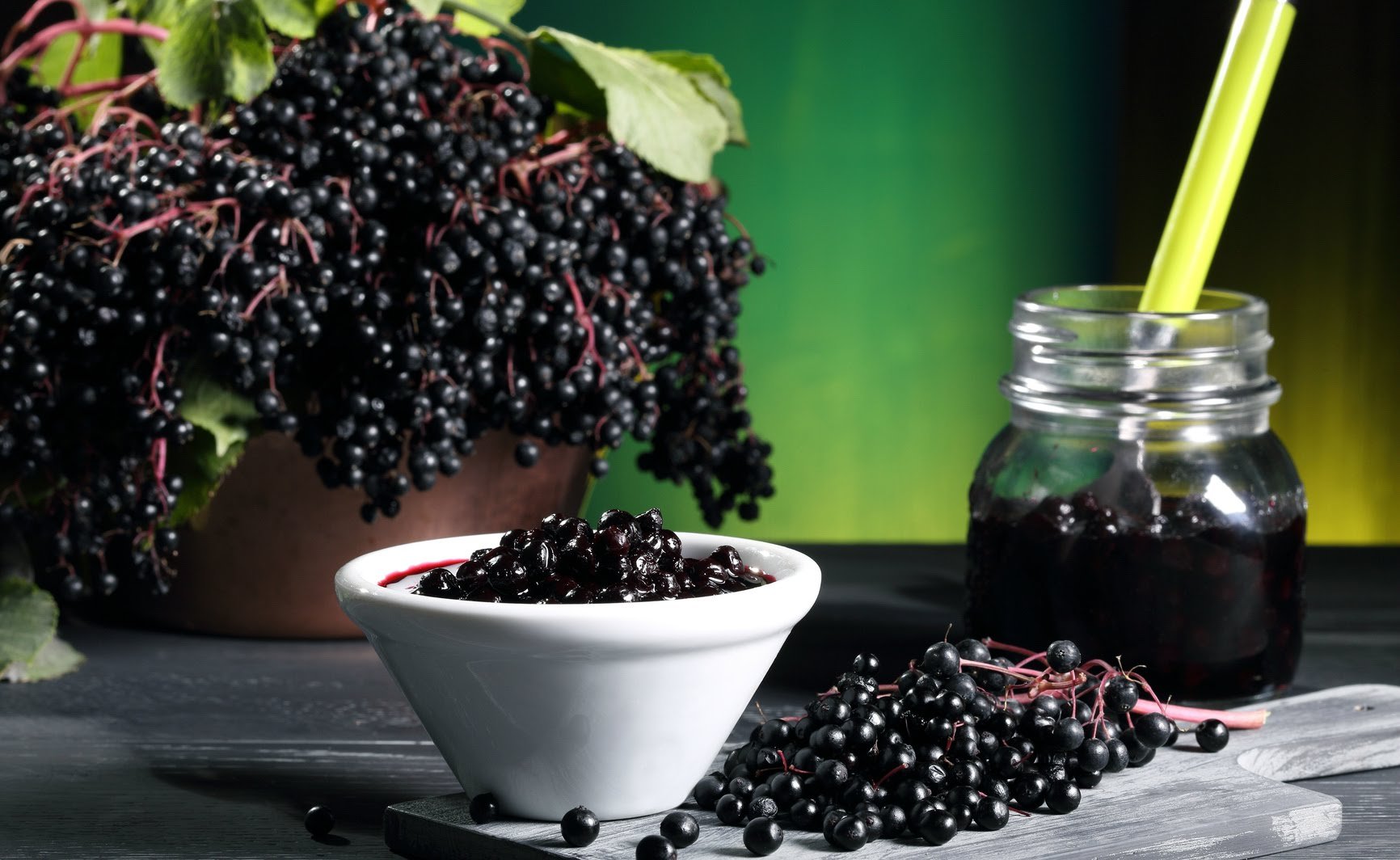
Elderberry jam helps strengthen the immune system
Contraindications for use
Any plant used for the prevention or treatment of a disease can be both beneficial and harmful. For example, chokeberry berries, flowers, and leaves are contraindicated in a number of cases:
- during pregnancy and breastfeeding;
- children under 12 years of age (according to other sources – up to 16 years of age);
- in case of individual intolerance;
- if you are prone to allergic reactions of various etiologies;
- in case of renal failure;
- in acute and inflammatory processes in the gastrointestinal tract;
- for Crohn's disease.
Wild bird cherry berries can cause food poisoning. For this reason, it is not recommended to consume the berries without first cooking them. At the first sign of intoxication, induce vomiting, take an absorbent, and seek qualified medical attention.
Any treatment, including alternative medicine, requires the attention and supervision of a specialist. Incorrect dosage and failure to follow the recommended schedule for taking a traditional medicine can lead to worsening of the condition and complications.