
Popular Green Vegetables and Leafy Crops: 24 Types with Descriptions and Photos
Content
Medicinal and beneficial properties of green vegetables
Modern people lead a predominantly sedentary lifestyle, which negatively impacts their well-being and health. A properly balanced diet can help prevent the development of various pathologies.
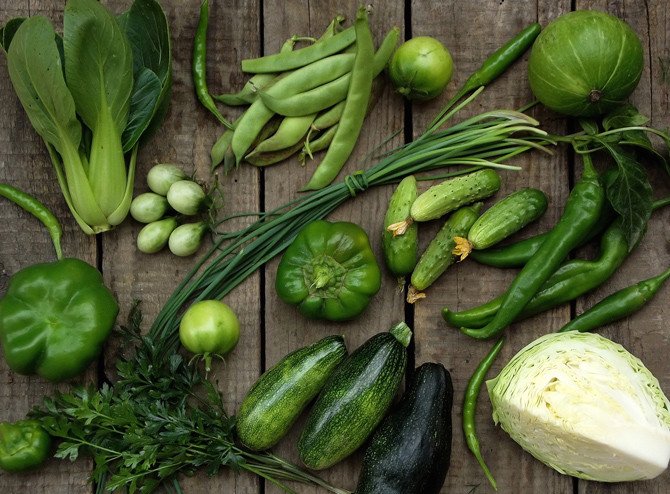
Nutritionists recommend including greens, vegetables and fruits in your diet. Foods rich in vitamins and minerals improve digestion and metabolism, strengthen the immune system, and combat stress. Green vegetables and leafy greens play a special role.
Let's take a look at the beneficial and medicinal properties of green vegetables and herbs:
- Normalization of intestinal motility and improvement of digestion.
- Effective calorie burning and application in gentle dietetics.
- Eliminates iron deficiency and has a beneficial effect on cardiovascular function. Prevents the development of anemia and various heart conditions.
- Normalization of cholesterol levels.
- Removal of waste, toxins and other harmful substances.
- Slowing down the development of oxidative processes that are pathologically dangerous for the human body.
- Improved well-being. Beneficial effects on skin, nails, and hair.
Video: "What are the benefits of greens and green vegetables?"
This video presents a list of healthy green foods that should be included in the human diet.
The most popular green vegetables
So, what kinds of green vegetables are there? We offer a list of the most popular ones.
Avocado
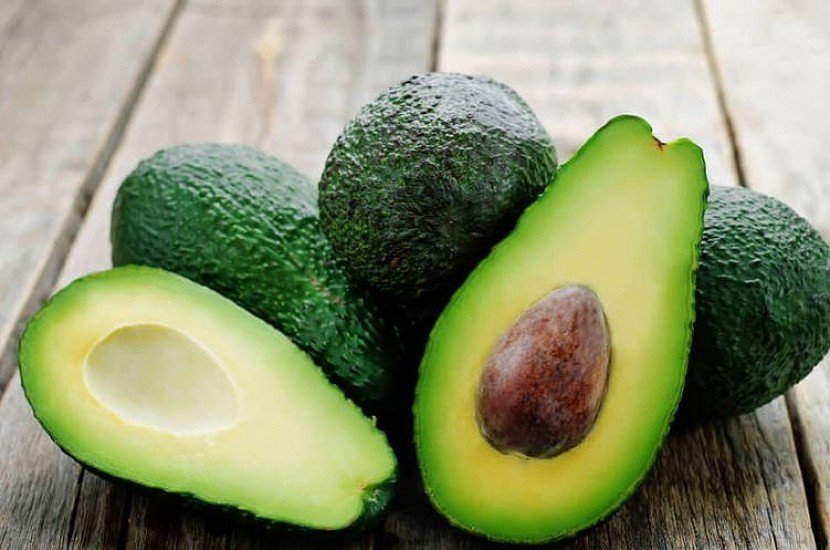
Alligator pear, or avocado, contains vitamins A, C, E, PP, and B complex. The micro- and macronutrients found in avocados have beneficial effects on the body. Alligator pears are recommended for heart conditions and gastrointestinal disorders. Regular consumption of avocados restores water and salt balance and prevents the aging process.
Broccoli
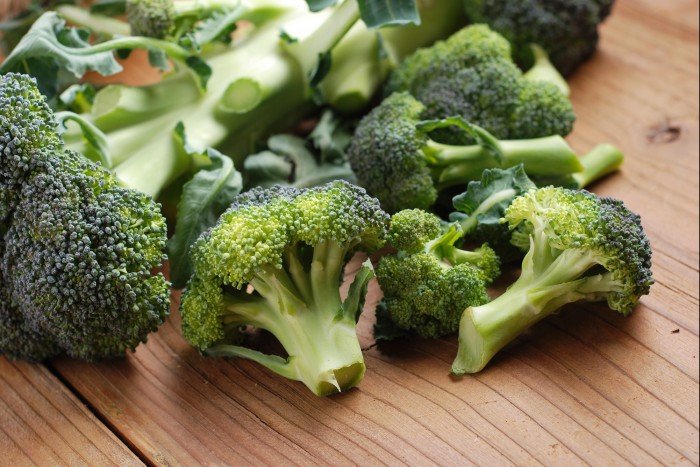
The benefits of broccoli are endless. It lowers blood cholesterol and restores blood vessel elasticity, improves heart function, and reduces the risk of heart attacks and strokes. As a type of cabbage, broccoli improves digestion and effectively combats constipation. But most importantly, broccoli prevents the formation and spread of cancer cells in the human body.
Brussels sprouts
Brussels sprouts, with a caloric content of only 43 kcal per 100 g, are widely used in dietetics. Consumption of the product is recommended for the prevention and treatment of viruses, infections, asthma, bronchitis, and other upper respiratory tract conditions. Rich in folate, this vegetable reduces the risk of birth defects in infants.
Green radish
Few people know that regular consumption of green radish lowers blood sugar levels. For this reason, it is prescribed for diabetics. Radish is indispensable for gastrointestinal diseases. However, people with duodenal ulcers should avoid excessive consumption.
It's no secret that carotene improves vision. Green radishes, rich in carotene, are recommended for eye diseases.
Green peas
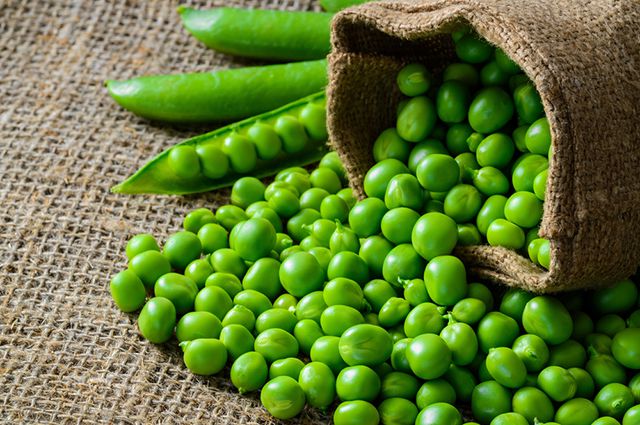
Peas are consumed fresh, canned, and processed. Containing B vitamins, they are a popular dietary supplement for those with nervous system disorders. Peas also contain vitamin K, which boosts metabolism, strengthens bones and joints, and is responsible for blood clotting.
-
- Green peas
-
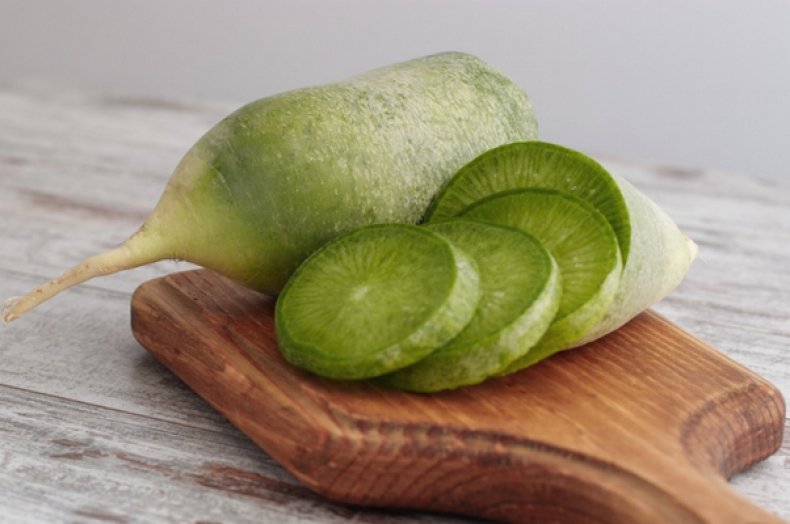
- Green radish
-
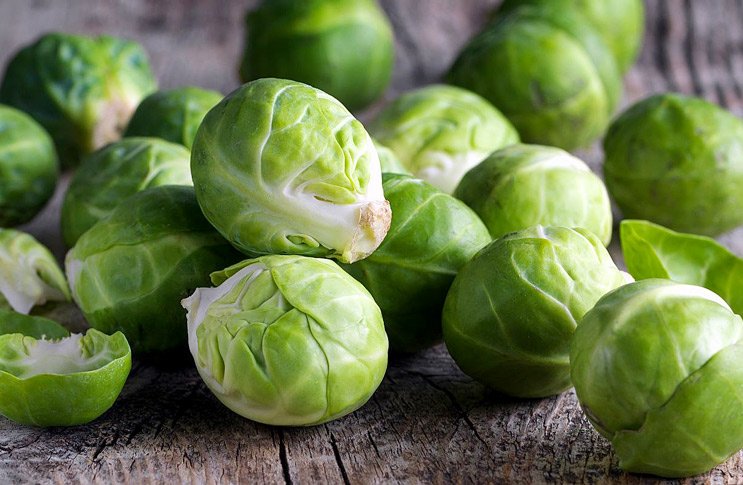
- Brussels sprouts
Green pepper
Doctors and nutritionists recommend eating green peppers every day. The vegetable contains vitamins A, C, E, and B, minerals and essential oils, folate, niacin, and carotene. The alkaloid capsaicin, found in green peppers, stimulates the stomach and pancreas, stimulates appetite, and promotes better digestion.
Zucchini
Zucchini contains a large amount of pectin, so it is often consumed to treat digestive problems. Zucchini is recommended as a first food for infants.
The product contains vitamin E, which prevents premature aging and helps the body fight free radicals. Vitamin C and beta-carotene, in turn, help strengthen the immune system. Zucchini is a key ingredient in the diet for those who are ill with viruses and infectious diseases.
White cabbage
The nutritional value of white cabbage is 27 kcal per 100 g. The vegetable contains vitamins A, C, K, PP, B1, B2, B5, and U. Vitamin U, according to scientists, prevents the development of stomach and intestinal ulcers. This low-calorie vegetable is consumed for obesity, chronic gastritis, and spleen and liver conditions.
If you're prone to stomach upset, minimize your consumption of this vegetable. White cabbage is contraindicated in those with high gastric acidity.
-
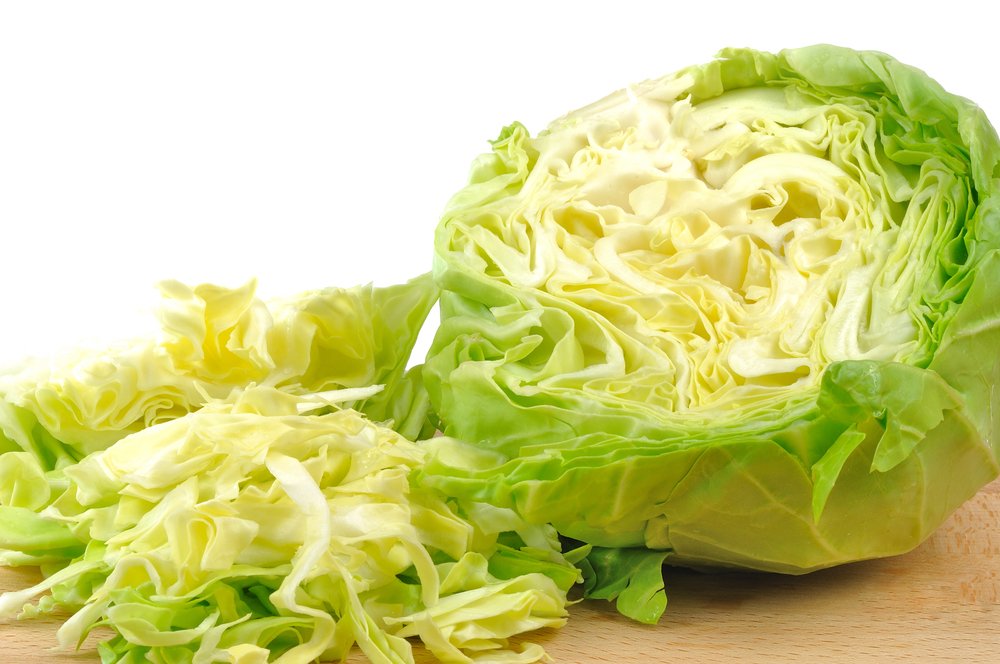
- White cabbage
-
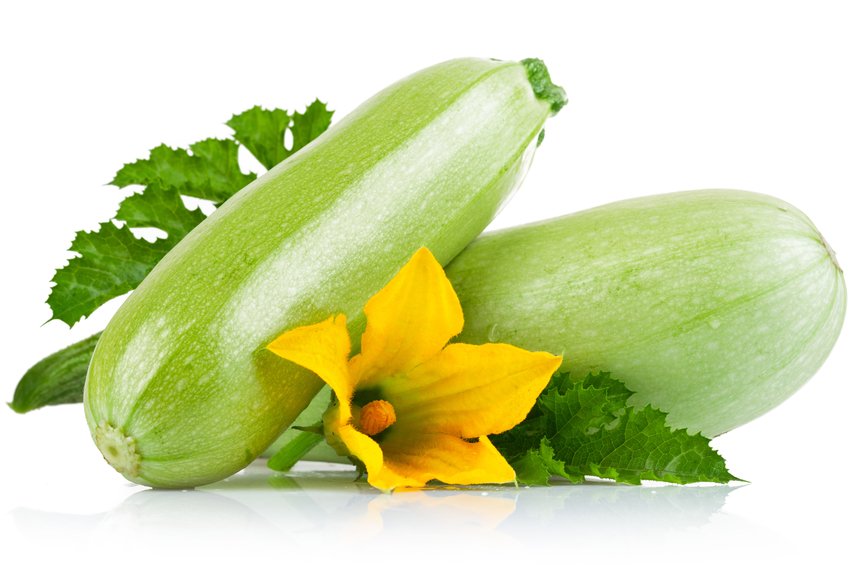
- Zucchini
-
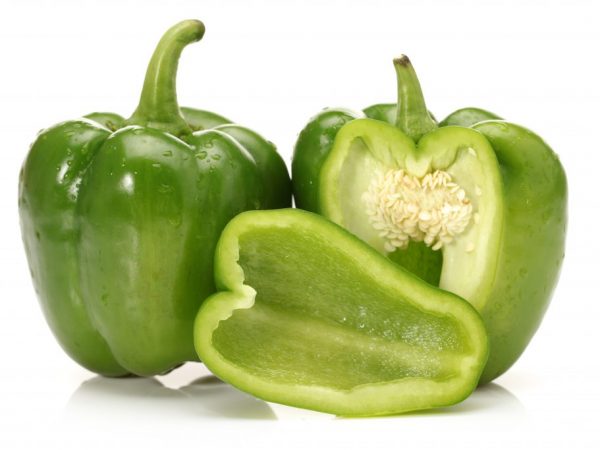
- Green pepper
Romanesco cabbage
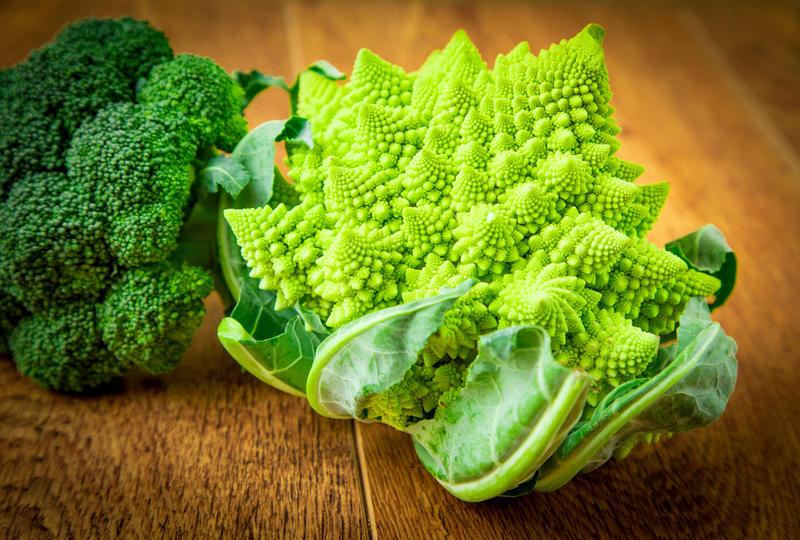
Romanesco, or Roman cabbage, is rich in fiber, carotenoids, and antioxidants. Vitamin K, found in this vegetable, restores blood vessel elasticity and prevents blood clots. Fiber improves intestinal motility and relieves constipation. To avoid increased gas formation, consume this vegetable in moderation.
Kohlrabi
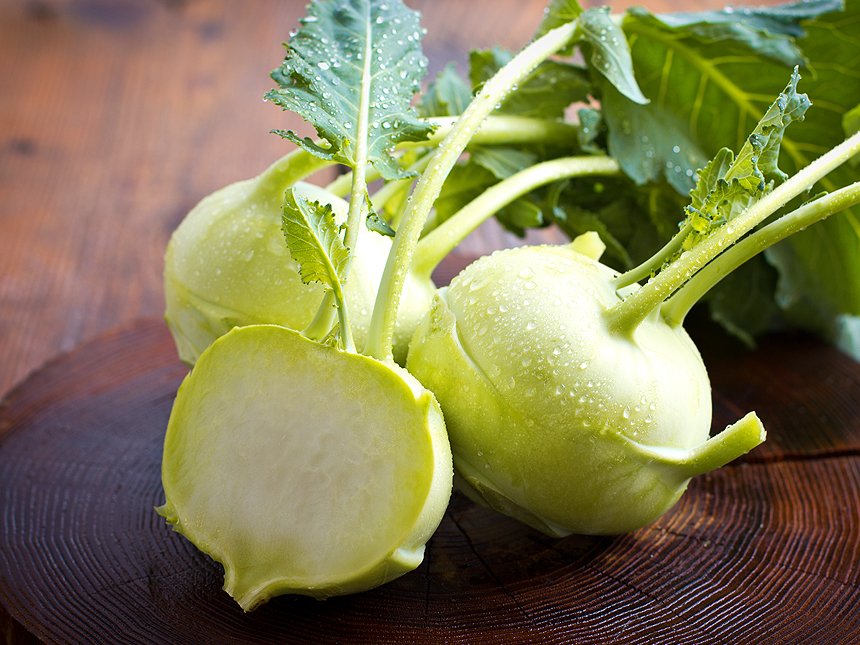
Another healthy green vegetable is kohlrabi. It's beneficial for liver, kidney, stomach, intestinal, and gallbladder conditions. It can also be used to treat viral and infectious diseases.
A decoction of kohlrabi tops is prescribed for asthma and pulmonary tuberculosis.
Leeks
The lack of a strong smell and taste makes leeks suitable for a variety of appetizers and salads. However, eating them raw is contraindicated for those with inflammatory conditions in the intestines and stomach.
Leeks are effective in the prevention and treatment of atherosclerosis, rheumatism, gout, and kidney stones. They also prevent the development of multiple sclerosis.
Luffa
Luffa is a member of the Cucurbitaceae family. Unripe fruits are used to make loofahs, which help combat stretch marks and cellulite. Loofah loofahs have a lymphatic drainage effect, cleanse the skin, and stimulate circulation.
Cucumber
Cucumber removes waste, toxins, and excess fluid from the body, slows the aging process, and prevents kidney stones. Containing almost 98% water, this vegetable has enhanced cleansing properties, making it a common dietary ingredient.
-
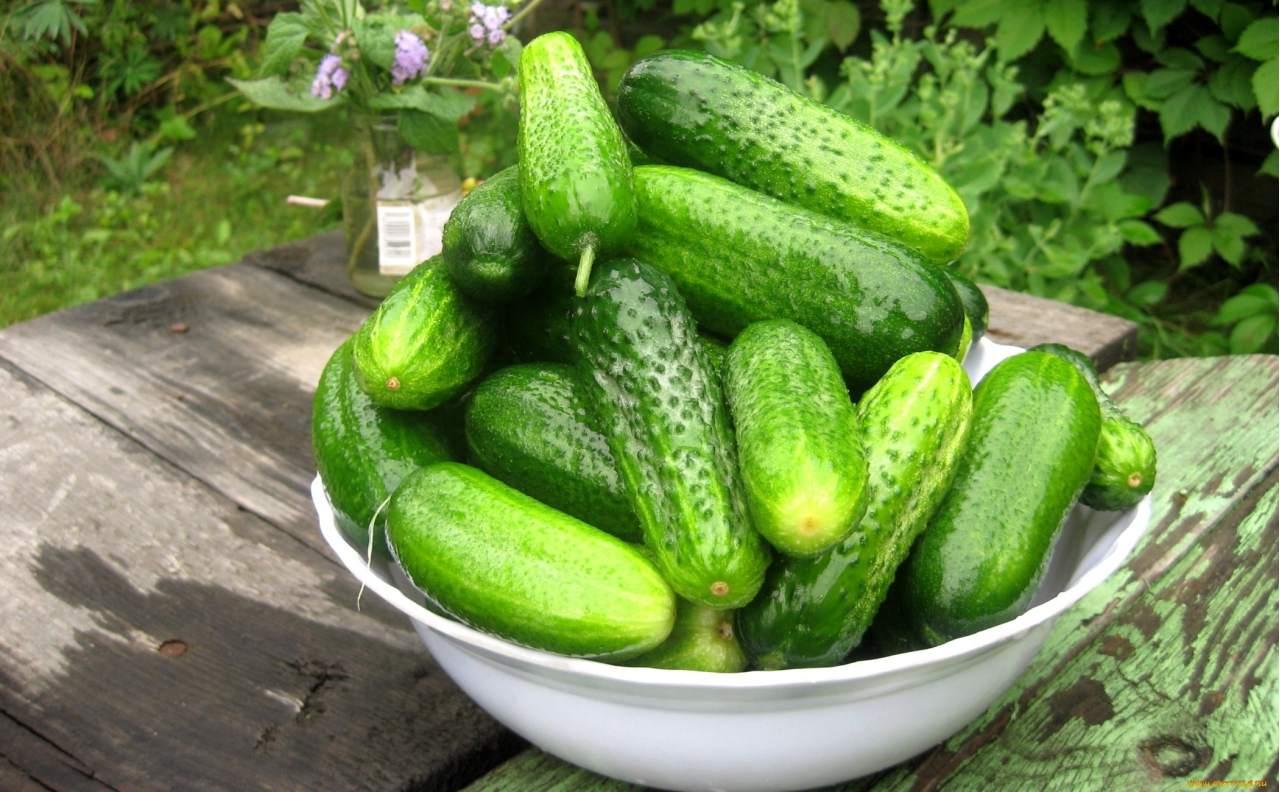
- Cucumber
-
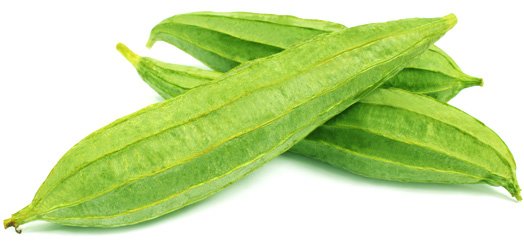
- Luffa
-
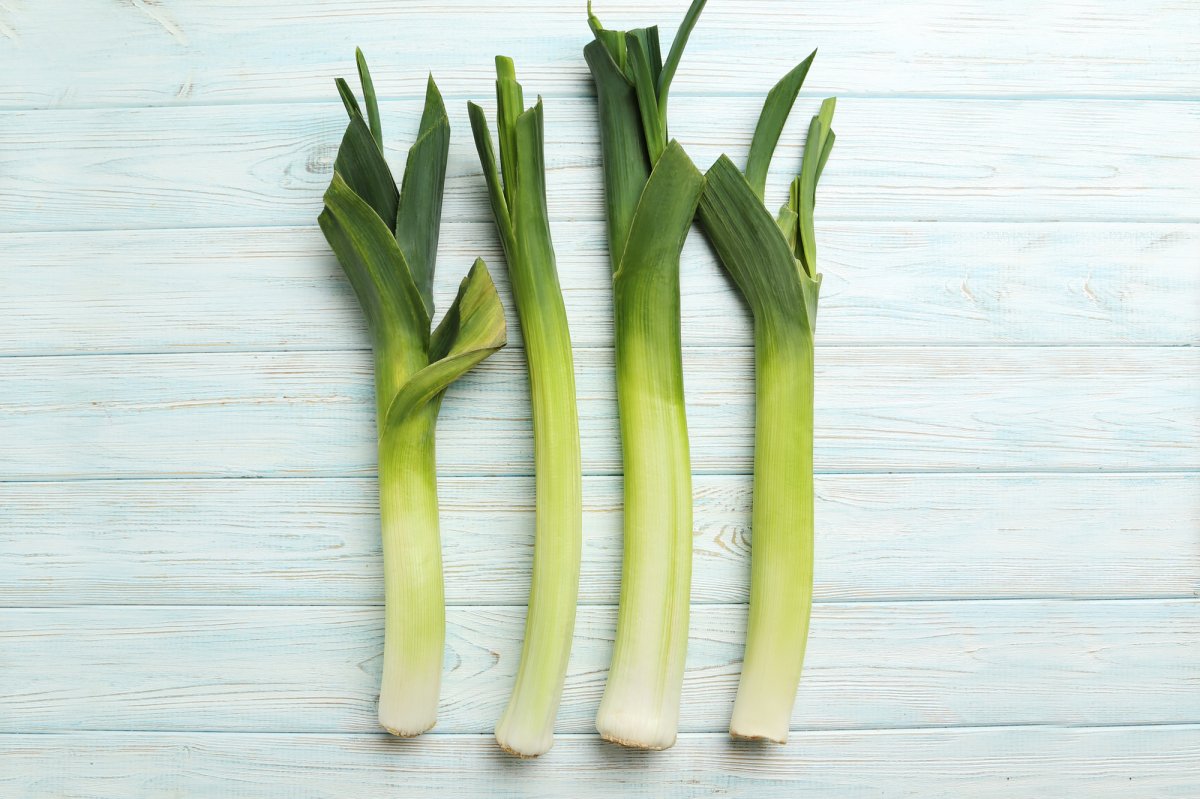
- Leeks
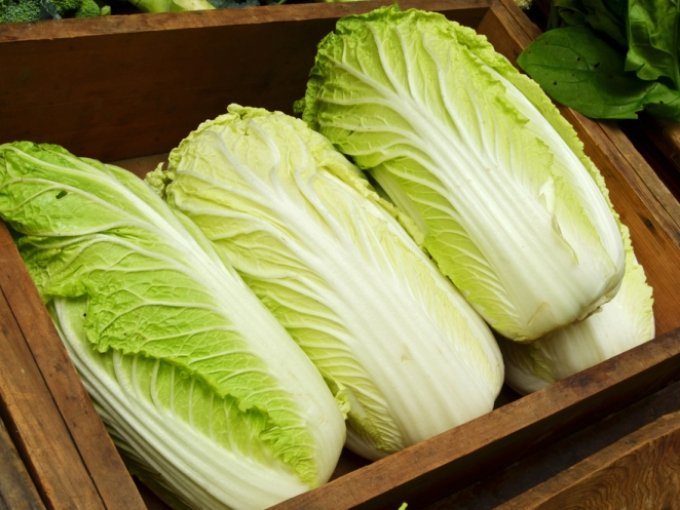
Chinese cabbage
Chinese cabbage is widely used in folk medicine. It is recommended for anemia and high cholesterol. Cabbage prevents the development of hypertension and atherosclerosis. It can also be used for frequent headaches and nervous disorders.
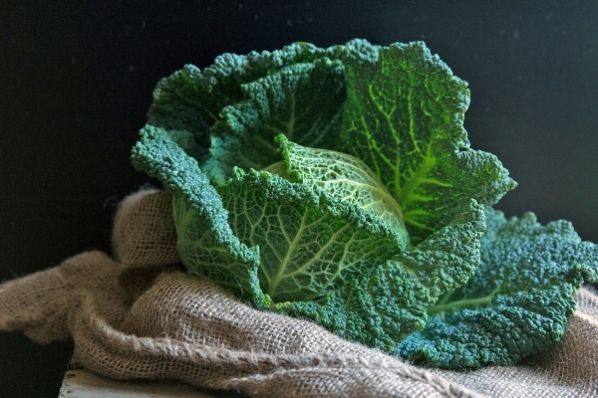
Savoy cabbage
Savoy cabbage is a must-have in the diet of older adults. It improves blood composition and normalizes blood pressure, and also prevents the development of cancer cells. Furthermore, Savoy cabbage strengthens the immune system.
Celery
Celery is a unique vegetable, as not only the root but also the green part of the plant possesses beneficial and medicinal properties. The celery diet is highly effective. The root vegetable is recommended for increasing potency in men and restoring reproductive function in women. Celery juice has a beneficial effect on the digestive system and prevents salt deposits.
Asparagus
Asparagus, as the spears of the asparagus plant are called, can be eaten raw, baked, or boiled. Rich in water and fiber, it's indispensable in a cleansing diet. It promotes the rapid elimination of toxins, waste, and excess fluid. Furthermore, asparagus has a positive effect on male potency.
Green beans
Green beans are easily digested and are often called a source of vital energy. Regular consumption of green beans is recommended for depression and other nervous system disorders.
However, if you have a history of gastritis, colitis, stomach ulcers or cholecystitis, it is better to refrain from using the product.
-
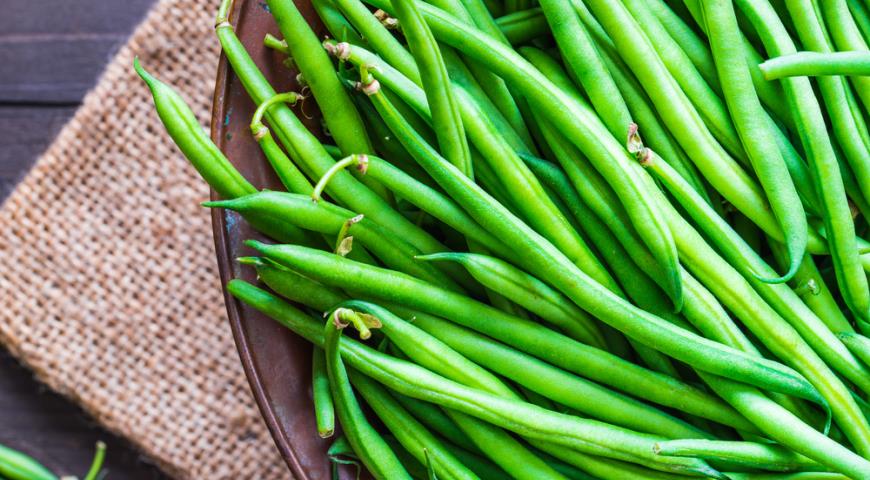
- Green beans
-
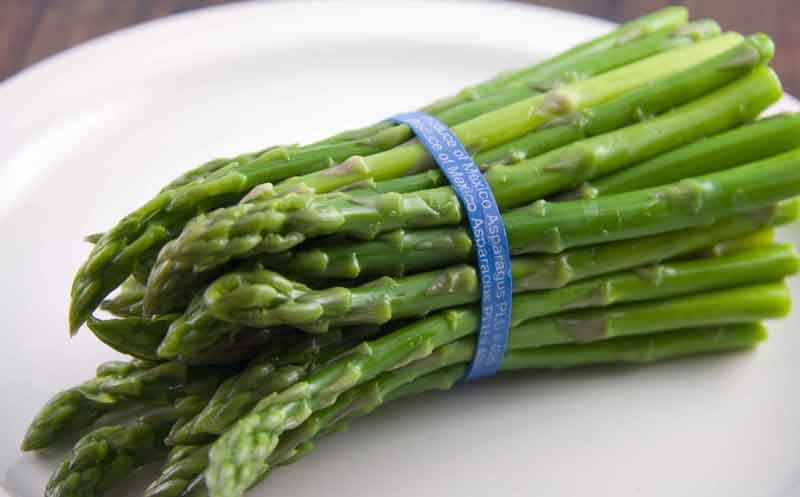
- Asparagus
-
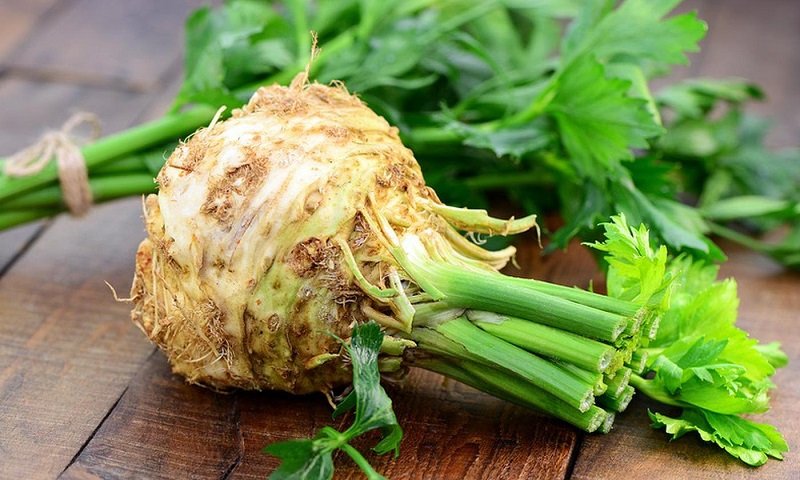
- Celery
Zucchini
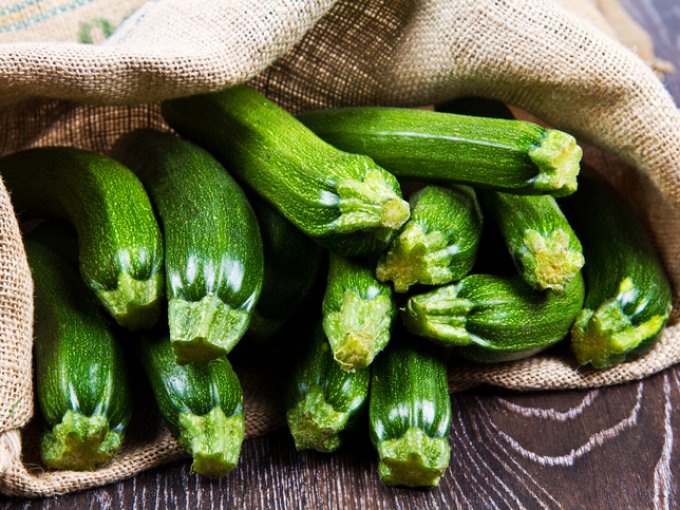
Zucchini is also known as European squash. This vegetable contains a large amount of pure water, making it a great addition to the diet for those with excess weight. It's easily and quickly digested. Zucchini is essential for conditions of the heart, blood vessels, liver, kidneys, and stomach.
Green leafy crops
Leafy green vegetables are considered equally beneficial for the human body. Let's look at the most common ones.
Lettuce
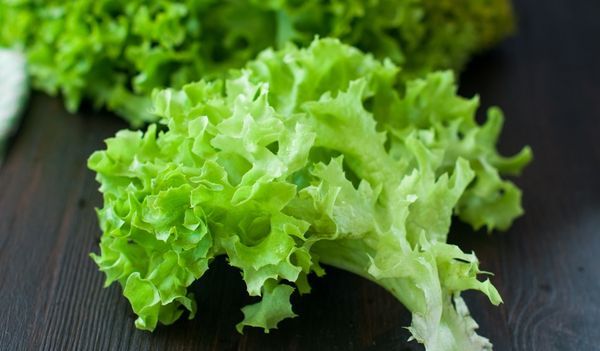
Lettuce is rich in vitamins A, C, E, K, and B vitamins. The calorie content of the leafy vegetable is 15 kcal per 100 g. Therefore, lettuce is consumed by those prone to obesity. It can be included in children's menus, as well as in the diets of the elderly or those weakened by illness.
Chives
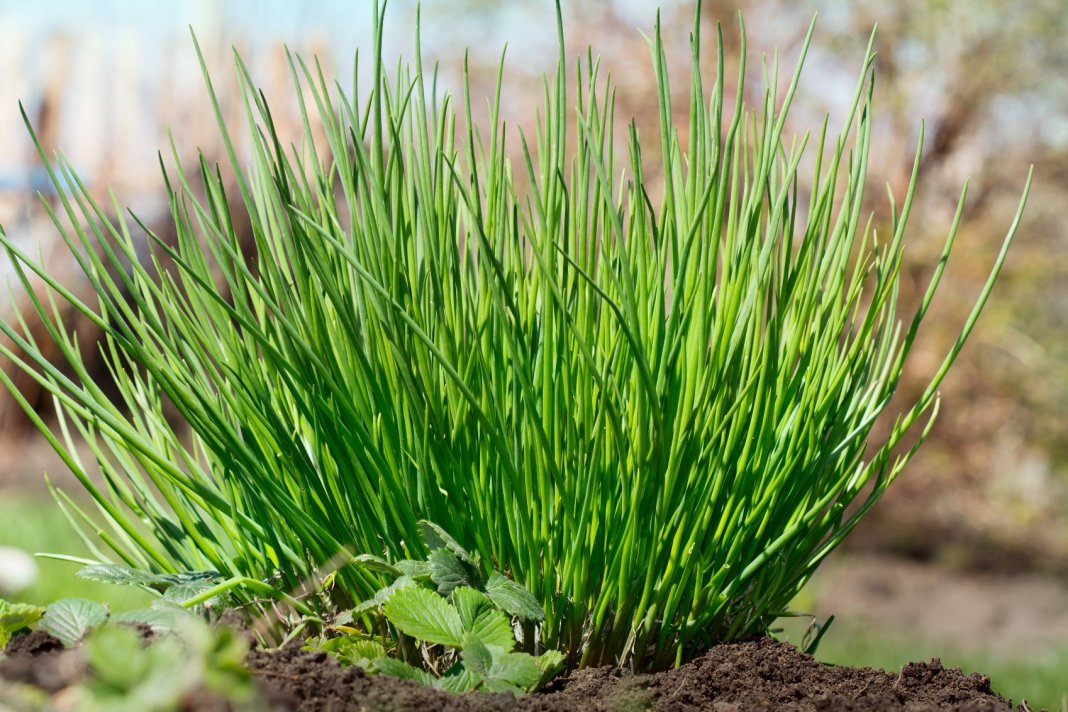
Chives are widely used to prevent and treat colds, viral diseases, and infectious illnesses. Chives stimulate the appetite and improve digestion, and are also used as an effective anthelmintic.
Chard
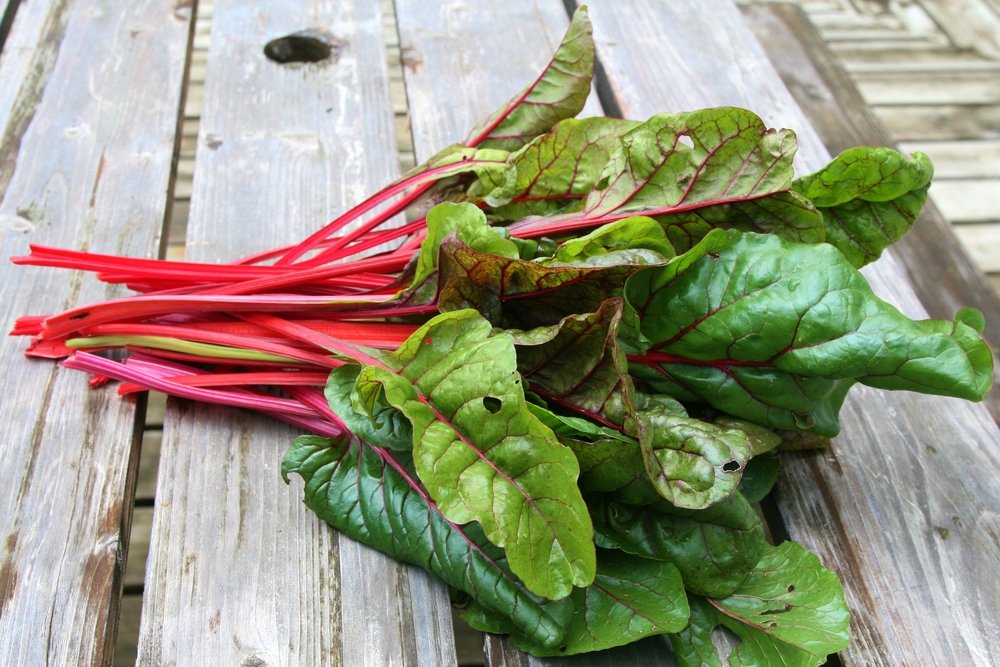
Swiss chard, or Swiss chard, is rich in vitamins, micro- and macroelements, organic acids, carbohydrates, and nitrogenous substances. Swiss chard is recommended for anemia, kidney stones, and diabetes. Swiss chard increases the body's resistance to colds and viruses, stimulates the lymphatic system, and effectively combats radiation sickness.
Arugula
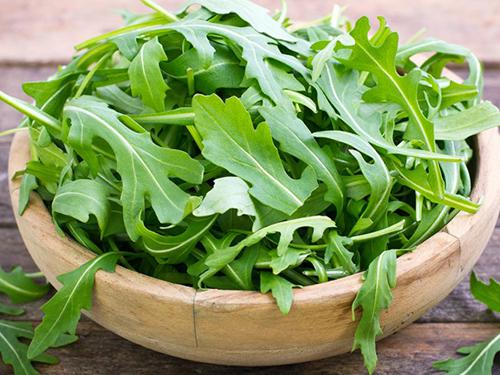
Arugula contains 25 calories per 100 g. This leafy green reduces the risk of cancer, boosts the immune system, accelerates metabolism, and has a pronounced antibacterial effect. Arugula juice is used to treat erosions, ulcers, and other skin conditions.
-
- Arugula
-
- Chard
-
- Chives
Spinach
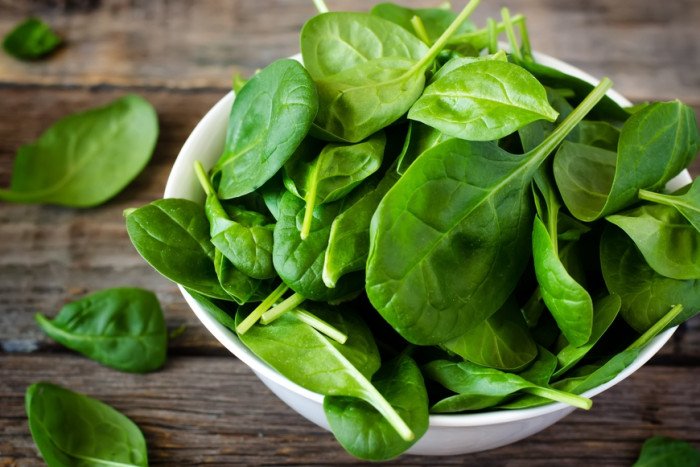
Spinach, a herbaceous plant, is rich in vitamins A, C, E, PP, D2, E, and B vitamins. Spinach is recommended for the prevention of diseases caused by iodine deficiency. To prevent the development of malignant tumors, regularly include spinach leaves in your diet.
Green is associated with calm. It's believed to help combat stress, depression, and aggression. To restore your nervous system, it's important to radically overhaul your diet and include green vegetables.