
Secrets of growing and caring for asparagus in open ground
Content
What you need to know about growing
The crop is a cold-resistant perennial with a robust root system. The herbaceous plant can reach a height of 1.5 m. The main varieties of asparagus can survive in one location for about two decades, producing numerous shoots.
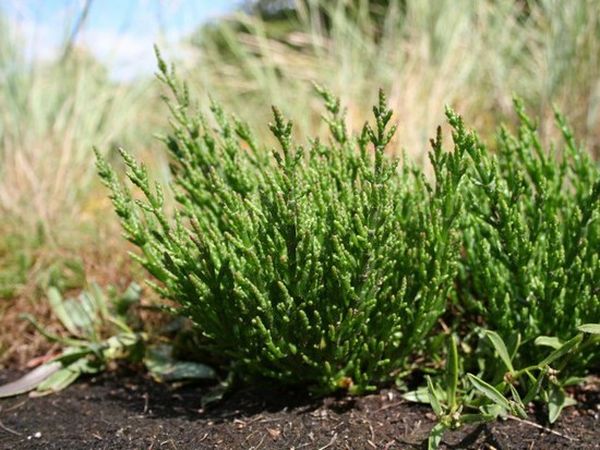
Growing asparagus indoors is possible in several ways: by using seedlings, sowing seeds directly into the garden bed, or by dividing a mature asparagus plant. However, propagating asparagus by division is not a common practice among gardeners, as it is quite traumatic.
Selecting a location and preparing the soil
Planting asparagus requires a significant amount of space: the crop takes up a lot of space, develops slowly, and is not particularly productive. Try to find a suitable area in your garden or vegetable patch so that the asparagus bushes have enough space.
If you plan to grow asparagus next year, you should prepare the soil this year. When choosing a location, keep in mind that each plant requires a quarter square meter of soil. The site should be protected from drafts and receive adequate sunlight. When digging the beds in the fall, be sure to fertilize them by adding 70 g of superphosphate, 20 kg of compost, and 40 g of potassium sulfate per square meter of soil. Once the soil is prepared, you can simply loosen it before planting the asparagus.
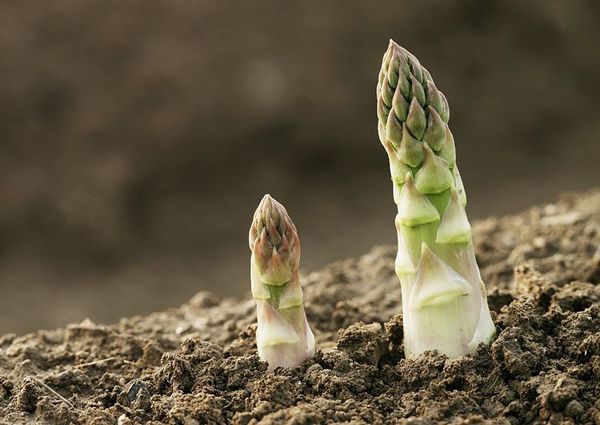
Sowing seeds and care
Asparagus seeds sown directly into open ground germinate slowly in Russia. Regardless of whether you're growing the crop in the Moscow region or in southern Russia, it's best to use seedlings.
Before planting asparagus in peat pots, be sure to soak the beans in warm water for a few days. Then, remove the swollen planting material onto a clean, damp cloth and allow the sprouts to emerge. Once this has occurred (it's best to sow the seeds so that the sowing time is around April), place the sprouted seeds in prepared containers filled with soil, burying them no more than 2 mm deep, and place them in a sunny location.
The temperature in the room where asparagus is growing should be around 25°C, and the soil in the containers containing the seedlings should be regularly moistened. Asparagus sprouts indoors approximately one week after planting, and after another 14 days, it can be lightly fertilized with a complete nutrient mixture.
Once the plants have established themselves, they should be transplanted to a permanent location. Growing such a large plant indoors is impractical, and they won't bear fruit. As a potted plant, asparagus can be seen as a purely ornamental variety.
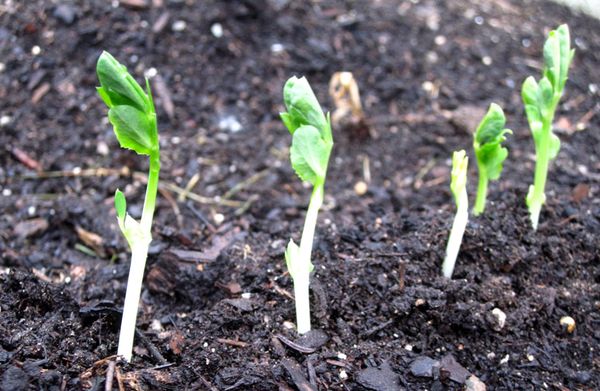
Watering and fertilizing
White asparagus, like other types of crops, requires increased watering, especially in the first few weeks after the seedlings have been transplanted.
If the summer is dry, water more frequently—the soil should remain slightly moist at all times. If this isn't the case, you'll be harvesting crops with diminished flavor: the shoots will become bitter and stringy.
All types of asparagus, including Asparagus argenteus, benefit from proper care. Remember to weed the beds regularly, adding a nutrient mixture of slurry and water (1:6) after the first weeding. After another 20 days, you can feed the asparagus in your garden with a solution of bird droppings, diluting the mixture at a ratio of 1:10. For the final time of the season, feed the plant with a complex mineral fertilizer just before the first frost.
Pest and disease control
Purple asparagus (the most popular variety) is a plant resistant to infectious diseases. However, planting and caring for this vegetable can sometimes present a number of challenges:
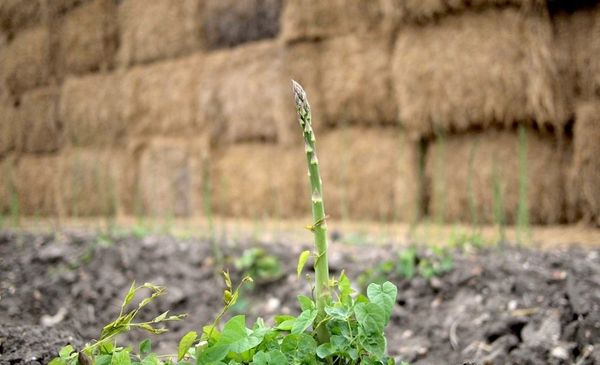
- Rommel's asparagus, growing in excessively wet soil, may be susceptible to rust, which causes the plants to refuse to produce the long-awaited shoots;
- Another disease that develops in parallel with other moisture-loving infections is root rot.
Asparagus grown and cared for in the garden outdoors is generally not susceptible to attacks from harmful insects. However, it does have a few enemies:
- Asparagus leaf beetle is a beautiful blue beetle whose diet mainly consists of plant tops;
- The asparagus fly is an insect that feeds on plant shoots, gradually creating multiple tunnels in them. As a result, the vegetable becomes distorted and loses its commercial and flavor qualities.
To avoid unpleasant associations with growing asparagus from seed and ensure a good harvest during the fruiting season, be sure to preventatively treat your beds with Bordeaux mixture. You can also use a fungicide such as Fitosporin.
Collection and storage
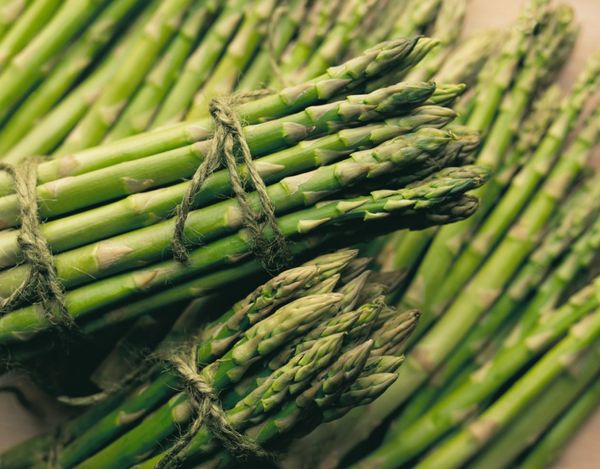
Rommel's asparagus, like other varieties (such as fava beans or purple asparagus), should be harvested in the third year after planting—the "green" plant gains strength during the first few years. The shoots are cut around May, when the heads have fully opened, carefully raking away the garden soil and trying to leave small stumps (no more than 2 cm).
In the first year of harvest, we recommend harvesting no more than 5 shoots from each asparagus plant: growing the crop from seed is a labor-intensive and time-consuming process, and over-zealous harvesting can harm the plant.
Depending on the variety chosen, cut shoots wrapped in a damp cloth can be stored in the refrigerator for anywhere from 14 days to several months. Store the vegetable upright, as horizontal storage will deform the shoots.
Now you know how to grow asparagus from seed at home. Perhaps, after getting to know this crop better, you'll become seriously interested in the prospect of growing asparagus as a business. Who knows?
Video: How to Grow Asparagus
This video will show you how to grow asparagus in your garden.