
8 tips for creating a mini garden on your windowsill
Content
8 Growing Tips
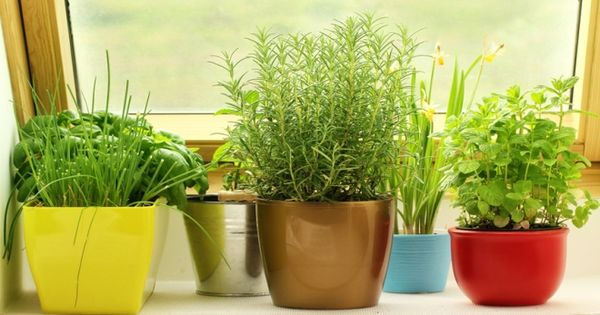
A windowsill garden project is the perfect solution for those who truly care about their health and dream of growing natural, chemical-free vegetables and herbs. No special knowledge or equipment is required to bring this idea to life.
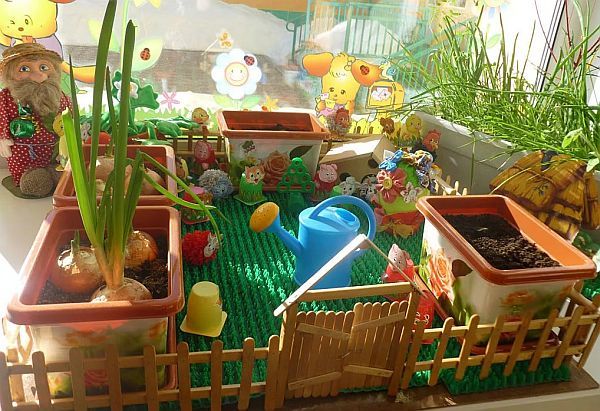
You can plant and care for your plants together with your children. It's always a lot of fun for kids. You can safely entrust your little one with watering or ventilating the mini greenhouse. A budding gardener will watch with great interest as the first shoots emerge, the leaves grow, and the leaves unfurl.
What do you need? Anything goes: boxes, trays, used yogurt and sour cream jars, a watering can, and a spray bottle. Soil and seeds should be purchased at the store. In winter, a phytolamp for illumination will definitely come in handy. A beautifully designed garden on your windowsill will be the highlight of your interior.
Tip 1
Plant different types of plants in separate pots. Not all greenery goes well together. Garden crops often require completely different conditions. This applies not only to watering, but also to lighting and fertilizing. If you want to expand your home garden, create cozy shelving yourself. You can use them to compactly display pots and boxes. Pots filled with parsley or basil can be not only attractive but also useful.
Tip 2
It's best to buy soil from seed or garden stores. It has a special composition with the right combination of humus, sand, and soil. Don't use soil from your garden or vegetable patch. It may contain fungal spores and small pests. Getting rid of them at home will be very difficult.
Tip 3
The ideal place for a home garden is under kitchen windows. This space has the perfect microclimate—warm and humid. Plus, water is always on hand. To speed up seed germination by 2-3 times, you can create mini greenhouses by covering the soaked seeds with a plastic bag.
Tip 4
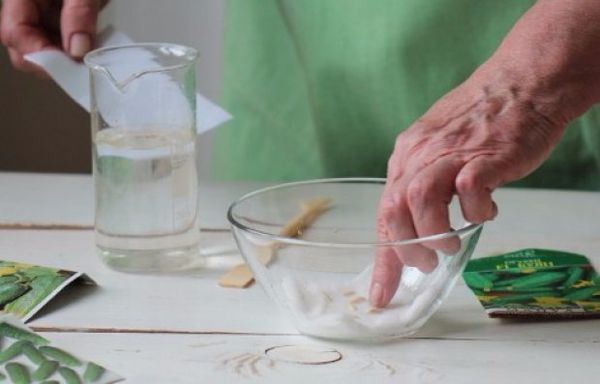
If you're eager to harvest your first crop as quickly as possible, soak and germinate the seeds. You'll need a small saucer and damp cheesecloth. Carefully spread the seeds out and add a little water. Make sure the cloth with the sprouts doesn't dry out. As soon as 2-3 mm sprouts appear, it's time to start planting.
Tip 5
Plant the seeds in moist soil. Check the packaging for the correct planting depth for each plant type. It's usually 1–2 cm. Cover with soil, water, and compact lightly. To speed up germination, cover the seeds with a makeshift greenhouse. Once the sprouts appear, you can discard the greenhouse. Water as needed. Don't let the seeds dry out, but don't overwater. Find the sweet spot.
Tip 6
Adequate lighting is the most important condition for rapid growth of garden herbs, especially during cold periods when sunlight is sorely lacking. The best choice is phytolamps, which are available in various wattages and configurations. Their light is as close as possible to sunlight. A mist sprayer is another helpful aid, creating optimal humidity. A humidifier can be used simultaneously.
Tip 7
Remember about drainage. It prevents water from stagnating and prevents plant roots from rotting. It improves air circulation and prevents mold growth. You can create your own drainage. Expanded clay is ideal for this purpose. Place it at the bottom of the pot to a thickness of 2–3 cm.
Tip 8
Whatever vegetables or greens you grow, remember that they all need nutrition. Buy safe, high-quality organic fertilizers at stores. Eggshells are a great addition; they make excellent calcium-rich irrigation water. You can also use banana peels, used tea leaves, or coffee grounds. A starter of live yeast is an excellent home remedy for periodic feeding.
Video: "How to Grow a Mini Garden at Home"
This video will show you how to create a mini-garden on your windowsill.
What greens to grow?
Want to grow healthy, fresh herbs at home? Then choose from our diverse greens to suit your taste and keep them on hand:
- Onions. These have long been a classic gardening staple. You can plant them anywhere—in boxes, plastic bottles with holes cut in them, or cups. Alternatively, you can simply soak them in water. Planting 7-10 onions a week will ensure you'll always have a healthy onion on your table.
- Watercress. Unpretentious and requires little care. It's ready to eat in just two weeks;
- Leaf lettuce. The best choices for indoor planting are Lollo Rossa and Lolla Bionda. To ensure soft and juicy leaves, water the lettuce moderately and provide additional lighting;
- Parsley. The fastest way to get aromatic herbs is to transplant the roots into pots. When planting from seeds, you'll have to wait longer for a harvest. Water and light moderately;
- Chives. Plant in autumn. Plant in clumps and place on the balcony. Bring into a warmer area to stimulate growth.
- Basil. Planted from cuttings or seeds. Both methods produce excellent greens;
- Mint. Unfussy and characterized by excellent growth. It is best to plant ready-rooted seedlings. They take root in 2 weeks. You can plant assorted varieties in a single pot;
- Rosemary. A cutting from an older plant is planted in the ground and covered with a jar or plastic wrap for 2 weeks. It enjoys periodic misting.
What vegetables to grow
Fresh home-grown vegetables on your windowsill in winter—isn't that magical? All it takes is the right approach and proper care. Read on to find out which crops you can plant to ensure successful growing:
- Cucumbers. Self-pollinating parthenocarpic bush hybrids are preferred. Choose shade-tolerant vegetables. The following varieties are best for indoor growing: Connie F1, Legenda F1, Klavdiya F1, and Babylon. Cucumbers enjoy good watering, especially when the green fruit begins to appear. They require up to 16 hours of light per day, so be sure to create long days with backlighting. The optimal temperature is 20 to 25°C. Cucumbers appreciate various fertilizers.
- Tomatoes. A great solution for a mini garden. Ideal varieties are dwarf ones with clusters of small tomatoes: Balcony Miracle, Cherry, Talisman, Pinocchio, and Balcony Red. Tomatoes are planted in pots of 5 liters or more. They need plenty of light and space. Water them with warm water and be sure to feed them with organic matter when fruit appears. Train them into 2 or 3 stems.
- Sweet peppers. Convenient varieties include Oda, Jupiter, and Patio Ivo. Peppers require warmth and light. Seedlings are best kept in a mini greenhouse. Be sure to loosen the soil every other day. Once the plant reaches 10 cm, it will need staking.
- Hot peppers. Once planted, you can harvest fruit continuously for 5-6 years. Hot peppers should be grown away from sweet peppers to avoid cross-pollination. They require loose, organically rich soil and low light.
Harvesting
To ensure your plants stay strong and healthy, and continue to delight you with a wonderful harvest for years to come, it's important to harvest them correctly. Follow these simple rules:
- Do not pick off the greenery with your hands, use special scissors for this.
- Sprigs of parsley, dill, and basil should be cut in bunches.
- For onions and lettuce leaves, it is better not to use a knife; it is better to cut them with scissors.
- Try not to touch the outlet, because this is where the source of growth is hidden.
A mini-garden on your windowsill will provide you with organic and healthy food, won't take much time, and will be the best green project.